Explore our precision-engineered selection of construction panel materials designed for long-term load-bearing safety, ultimate moisture protection, and strict structural code approvals.
Shandong Quality International Trade Co., Ltd. (also operating as Shandong Quality Wood Co., Ltd.) is a specialized manufacturer and global supplier of high-performance wood-based panel products. With over a decade of dedication to international commercial markets, we provide total procurement and design solutions for critical structural components.
Industrial pressure-treated plywood represents a significant technological response to biological decomposition. Unprotected wood components exposed to fluctuating relative humidity, direct ground contact, or marine marine environments are highly susceptible to fungal rot (brown rot, white rot, soft rot) and subterranean wood-destroying insects (Reticulitermes and Coptotermes species). Our pressure treatment procedures counter this vulnerability by forcing chemical preservative solutions deep into the cellular lumen of the wood structure, replacing moisture and air with a permanent defense matrix.
By leveraging our proprietary premium brands, QUALITYPLEX and QUALITYOSB, we bridge the gap between heavy chemical industrial wood engineering and structural stability, delivering products that satisfy rigorous international building regulations.
Different usage scenarios demand targeted preservative chemistry formulations:
We strictly engineer our pressure-treated plywood arrays to conform to the American Wood Protection Association (AWPA) U1 standard. Preservative chemical retention rate targets are key to ensuring longevity in distinct microclimates.
| AWPA Use Category | Service Condition | Typical Applications | Recommended Retention (CCA / CA-C) |
|---|---|---|---|
| UC1 | Interior Construction, Dry | Underlayment, furniture framing, structural subfloors | 0.25 lb/ft³ (Borate) |
| UC2 | Interior Construction, Damp Risk | Basement sheathing, cold roof structures | 0.25 lb/ft³ (CCA / ACQ) |
| UC3A | Exterior Above Ground, Protected | Fascia, soffits, architectural trim work | 0.06 lb/ft³ (CA-C) |
| UC3B | Exterior Above Ground, Unprotected | Decking surfaces, outdoor siding panels | 0.15 lb/ft³ (CA-C) / 0.25 (ACQ) |
| UC4A | Ground Contact, General Use | Landscaping timbers, utility poles, foundation formwork | 0.40 lb/ft³ (CCA) / 0.31 (CA-C) |
| UC4B | Ground Contact, Heavy Duty | Agricultural poles, marine structural splash zones | 0.60 lb/ft³ (CCA) / 0.60 (ACQ) |
| UC5A | Marine Use (Salt Water Exposure) | Piling foundations, sea-walls, marine bulkheads | 2.50 lb/ft³ (CCA) |
Our versatile manufacturing plants handle large-scale supply contracts across multiple industrial wood sub-categories, providing consistent physical properties and stability.
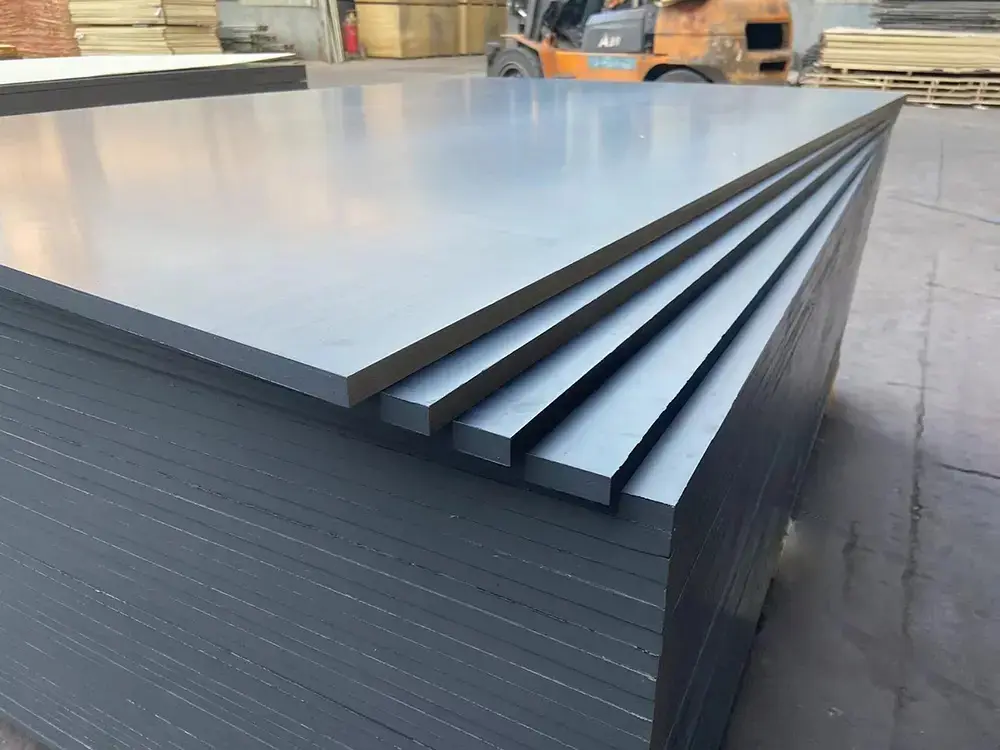
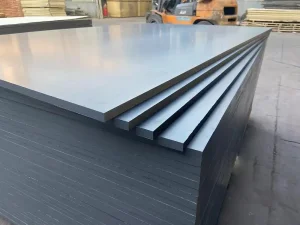
Film faced is a high quality plywood covered with resin-treated paper that turns into a protective barrier during structural concrete casting operations.
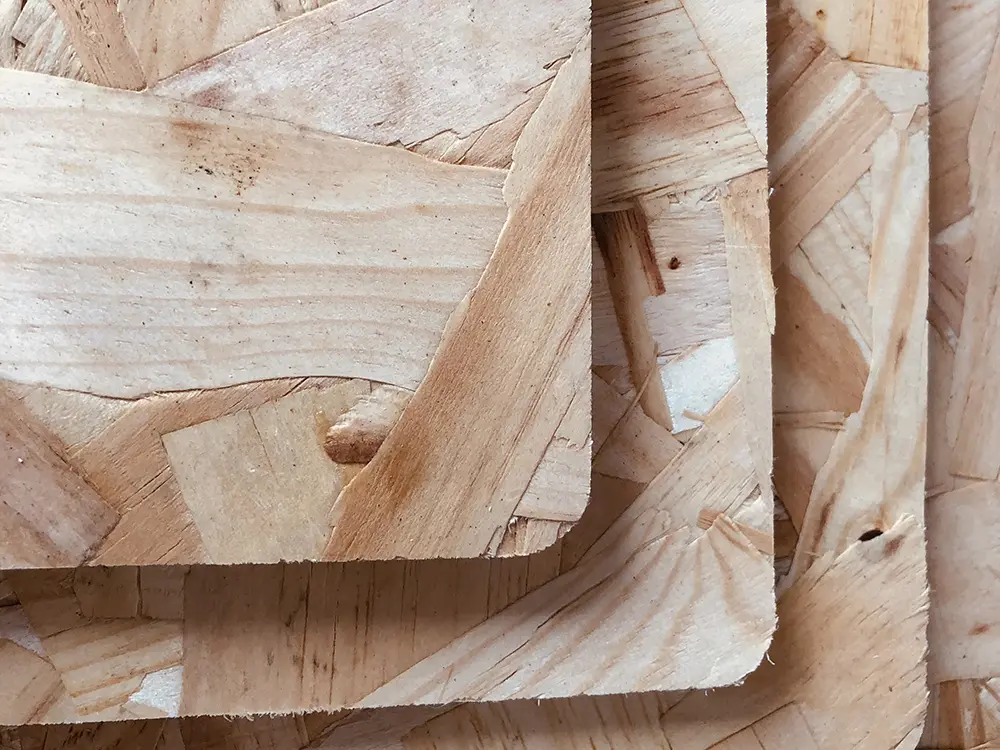
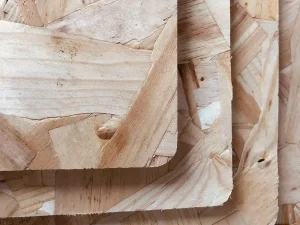
Oriented Strand Board, formed by wood flakes oriented in perpendicular layers, delivering high mechanical properties under load.
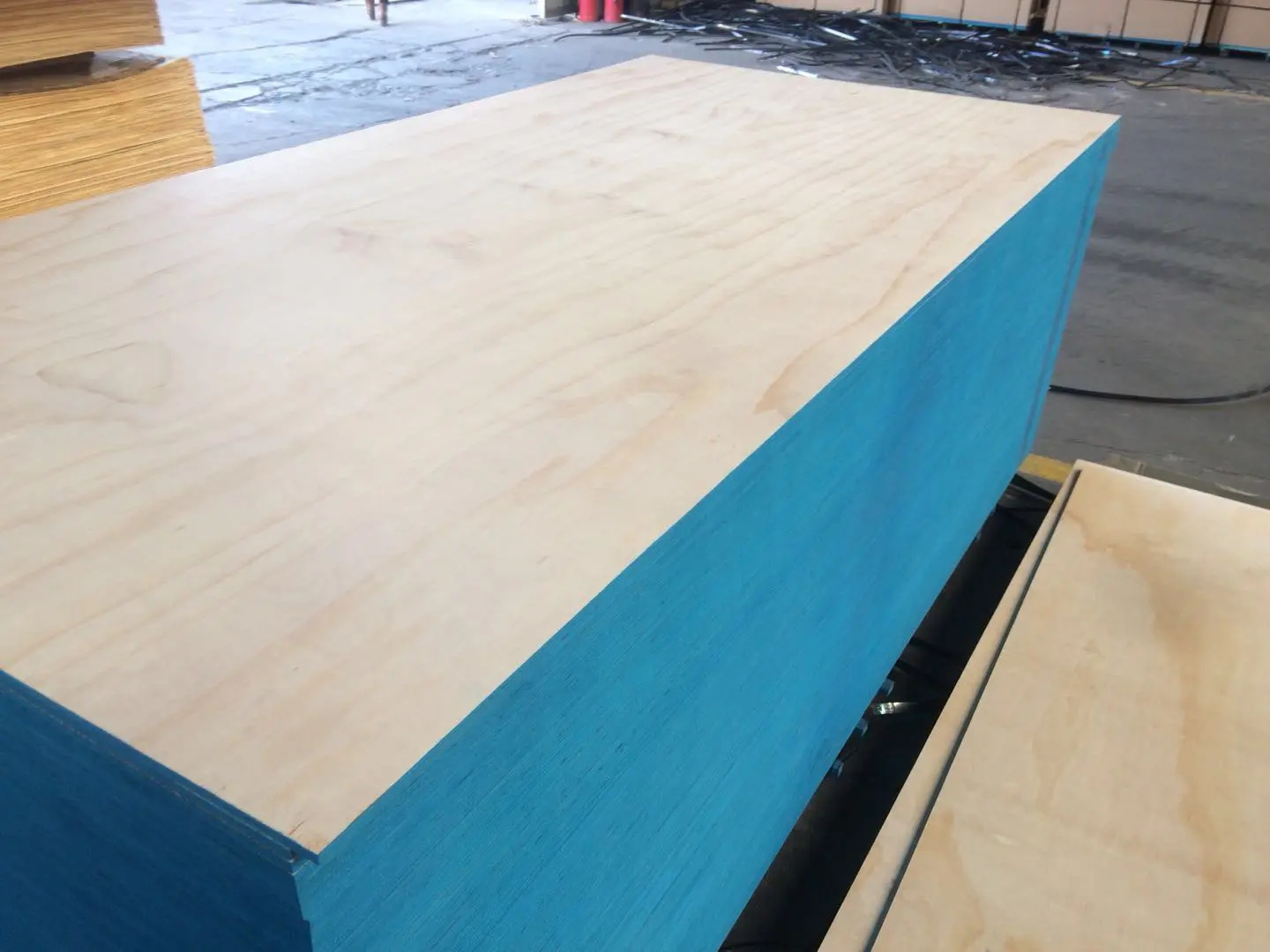
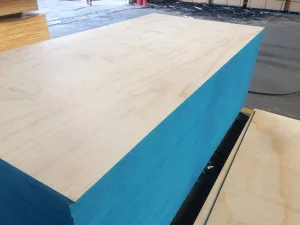
Engineered sheet material made from thin layers of wood veneer, with grain directions rotated 90 degrees for balanced structural strength.
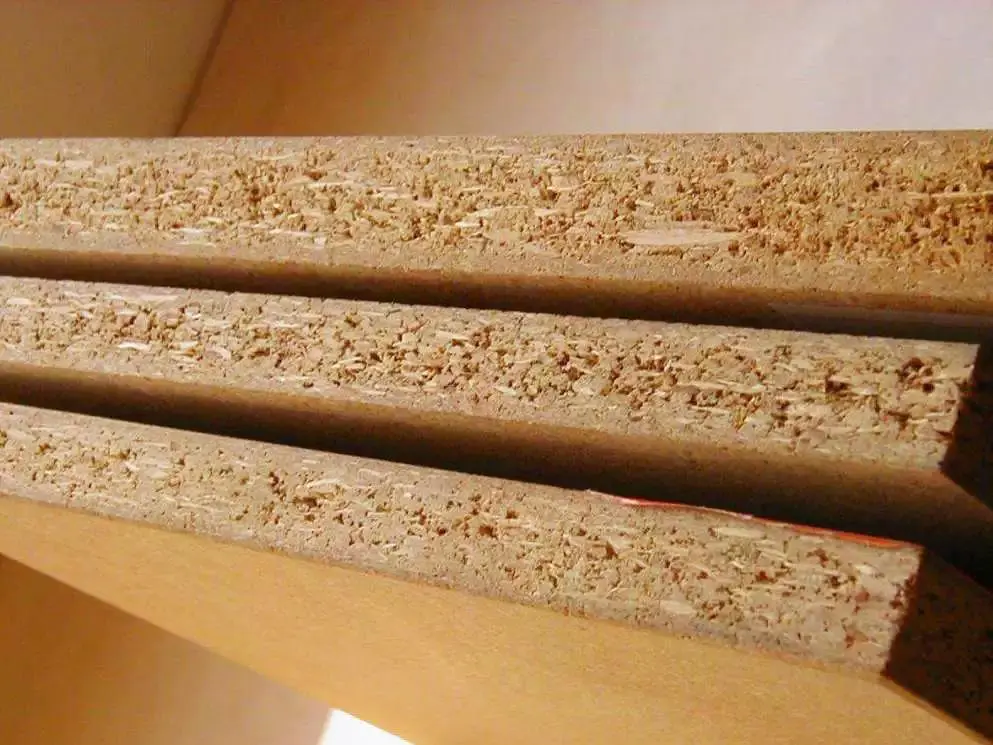
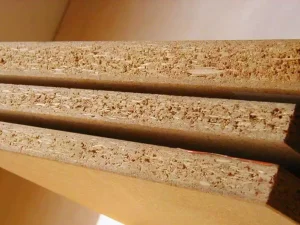
Engineered wood product made from wood particles, shavings, and synthetic resins, pressed under high heat for cabinetry applications.
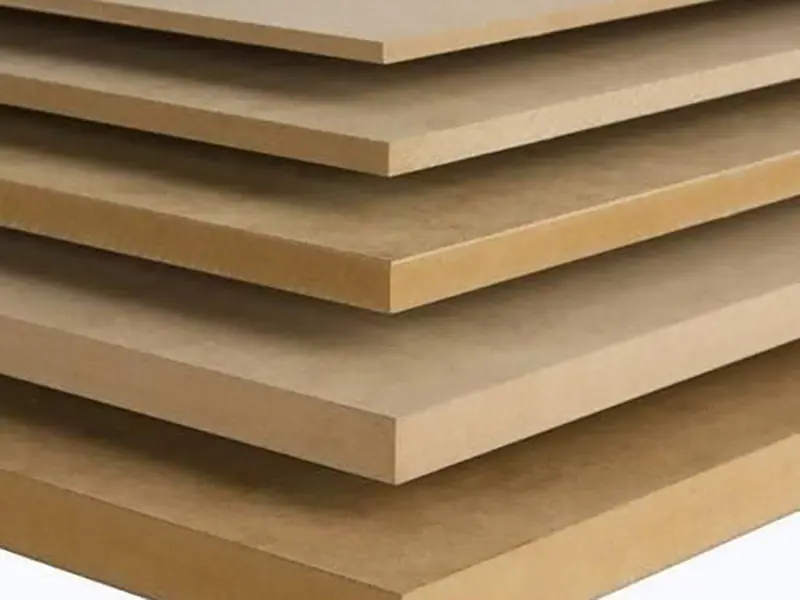
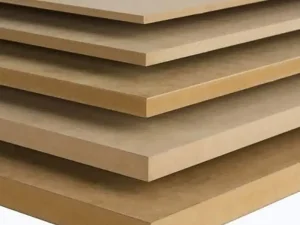
Premium panel made by breaking down softwood residuals into fine wood fibers, bound with wax and resin under pressure.
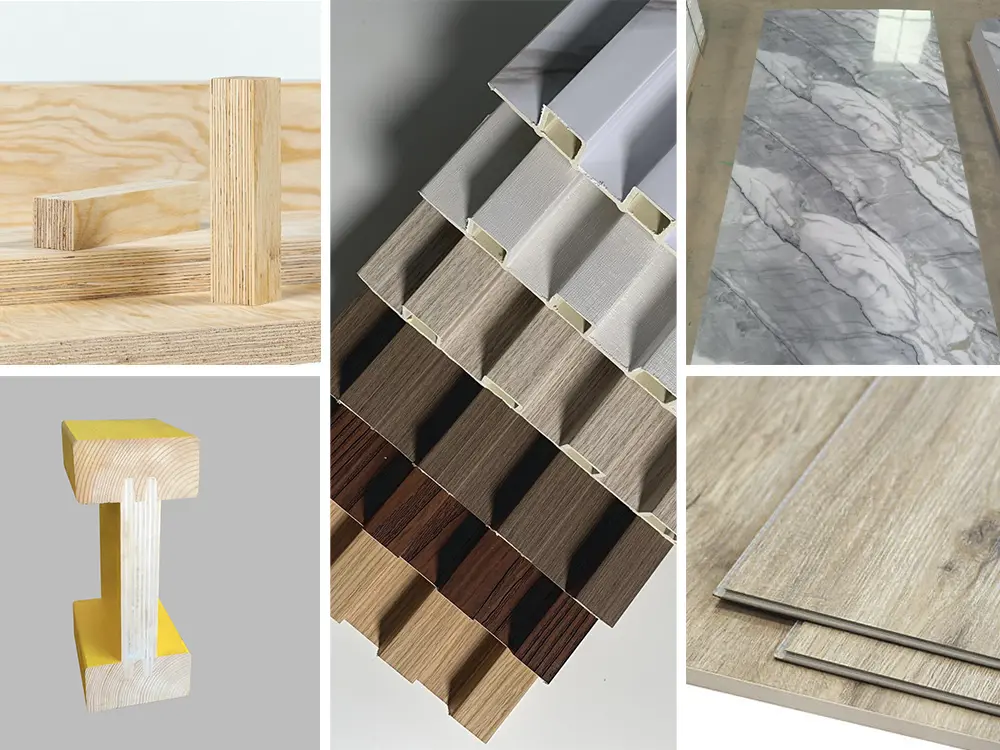
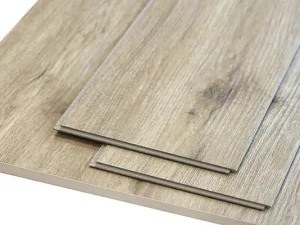
Stone plastic composite flooring that features an extremely dense core layout for advanced resistance to heavy indentation.
We scale our wood treatment and composite panel capabilities to match the complex supply requirements of large-scale infrastructure and industrial applications.
The durability of pressure-treated structural plywood depends on the quality of its input veneers and adhesive chemistry. At our Linyi production plants, we select high-density veneers sourced from sustainably managed pine, poplar, and eucalyptus forests.
Using Phenolic WBP (Water Boil Proof) resins, we assemble the veneer cross-band layers under intense heat and pressure. This thermal bonding creates a weather-resistant substrate capable of undergoing deep preservative vacuum impregnation without core delamination.
Our treatment process follows the classic Bethell Full-Cell Process:
A key factor in long-term performance is structural conditioning after treatment. Untreated plywood that has been pressure-saturated must be carefully dried to restore its structural properties.
We operate automated KDAT (Kiln Dried After Treatment) facilities that dry the panels back to a target moisture content of 15% to 19%. This thermal drying process ensures dimensional stability, reduces the risk of warping, and allows the panels to be painted, sealed, or glued immediately upon arrival.
Every production batch undergoes strict quality control. Using automated ultrasonic flaw detection systems, we verify inner core bond integrity, ensuring our panels are free of inner hollows or structural veneer gaps.
Additionally, we conduct destructive chemical analysis tests to verify actual retention levels of copper, arsenic, and azole compounds, ensuring they meet the required structural engineering design specifications.
Navigating international building regulations is a major challenge for modern architectural designers and construction firms. We ensure our materials comply with key global standards, simplifying local customs clearance and project approvals.
Our products meet AWPA U1 standards and APA (Engineered Wood Association) structural requirements. They also comply with CARB Phase 2 and EPA TSCA Title VI regulations for formaldehyde emissions, allowing for smooth entry and distribution in U.S. and Canadian markets.
Our panels are certified to EN 335 (Durability of wood and wood-based products) and bond performance class 3 under EN 314-2 (suitable for exterior conditions). In addition, our FSC Chain of Custody certifications ensure full compliance with EU Timber Regulations.
We design our products to meet Australian and New Zealand building standards, such as AS/NZS 1604, and utilize the H3 and H4 hazard level guidelines. This ensures our wood materials provide dependable durability in highly humid coastal environments.
By utilizing China's advanced industrial wood processing clusters, we deliver cost efficiencies, material quality, and logistics performance that are difficult for smaller regional suppliers to match.
Our facilities are located within Linyi, the global hub of wood panel manufacturing. This strategic positioning provides us with direct access to local raw materials, processing machinery, energy infrastructure, and skilled technical talent. This proximity allows us to operate efficiently and keep structural panel prices highly competitive.
Our automated multi-daylight hot presses and computer-controlled pressure cylinders allow us to run continuous production schedules. This high capacity enables us to scale output rapidly, allowing us to complete large-volume commercial contracts on tight project deadlines.
We are located near major international container ports, including Qingdao and Lianyungang. These deepwater shipping hubs provide regular maritime cargo routes to major distribution points in North America, Europe, Australia, and South America, ensuring reliable, cost-efficient shipping rates and predictable delivery timelines.
B2B timber buyers, structural engineers, and major construction firms face complex challenges beyond simple unit cost. They require materials that ensure long-term structural reliability, minimize warranty claims, and comply with local environmental regulations.
We address these requirements by providing complete transparency across our supply chain. We offer comprehensive documentation, including detailed chemical composition reports, wood species identification, core density logs, and moisture retention records.
Our support teams collaborate directly with your logistics planners and compliance managers, ensuring that customized labeling, packaging bundles, and shipping documents are optimized to accelerate local customs clearances.
The wood panel sector is undergoing a transition driven by carbon reduction goals, changing chemical regulations, and advancements in bio-based adhesive technologies.
Key developments include:
Our pressure-treated panels are engineered to perform reliably across a wide range of demanding environments and applications.
Used in residential and commercial framing systems where moisture accumulation is a risk. These treated wood panels resist mold and dry rot, helping protect structural subfloor systems from moisture damage.
Designed to withstand saltwater splash zones and continuous high humidity. These panels use high preservative retention rates to prevent damage from marine boring organisms and wet-rot decay.
Well-suited for livestock housing, storage facilities, and bulk container walls. These structures are frequently exposed to organic acids, moisture, and boring insects, making treated wood durability essential.
Engineered for high reuse rates in concrete casting. These panels maintain their flat surface profile even when exposed to alkaline mixtures, helping ensure clean, uniform concrete finishes.
Perfect for manufacturing custom crating solutions for valuable heavy machinery during long ocean voyages. The treatment prevents insect infestation during transit, meeting ISPM 15 guidelines.
Our dedication to quality, customer satisfaction, and global standards forms the core of our operations.
Our team is comprised of experienced professionals who are passionate about delivering exceptional products and services. We continually invest in training and development to ensure our team remains at the forefront of industry trends and innovation.
We are fortunate to serve a diverse clientele including construction companies, furniture manufacturers, interior designers and individuals working on DIY projects. Our commitment to quality and reliability has earned us the trust and loyalty of our customers.
Our state-of-the-art facilities are equipped with advanced technology and adhere to strict quality control measures. This ensures our products meet the highest industry standards and exceed customer expectations.
Through our established logistics network, we supply structural wood panels to distributors, fabricators, and infrastructure projects worldwide.
We handle everything from custom sizing and treatment specifications to container loading and multi-modal transit scheduling, ensuring your materials arrive on schedule.
Going forward, our focus is on further expanding our product range, enhancing our service capabilities, and exploring new markets. We are committed to maintaining a leading position in the wood-based panel products industry and continually exceeding our customers' expectations.
Our Mission: Quality First | Competitive Pricing | Customer Orientated
Clear answers to common technical, manufacturing, and shipping questions for global timber buyers.
Select from our structural wood panels to meet your project specifications, local building codes, and budget requirements.
 Quality