Explore our core certified wood-based solutions engineered to meet high-load architectural requirements and global structural building codes.
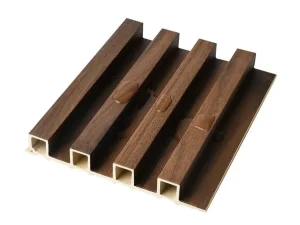
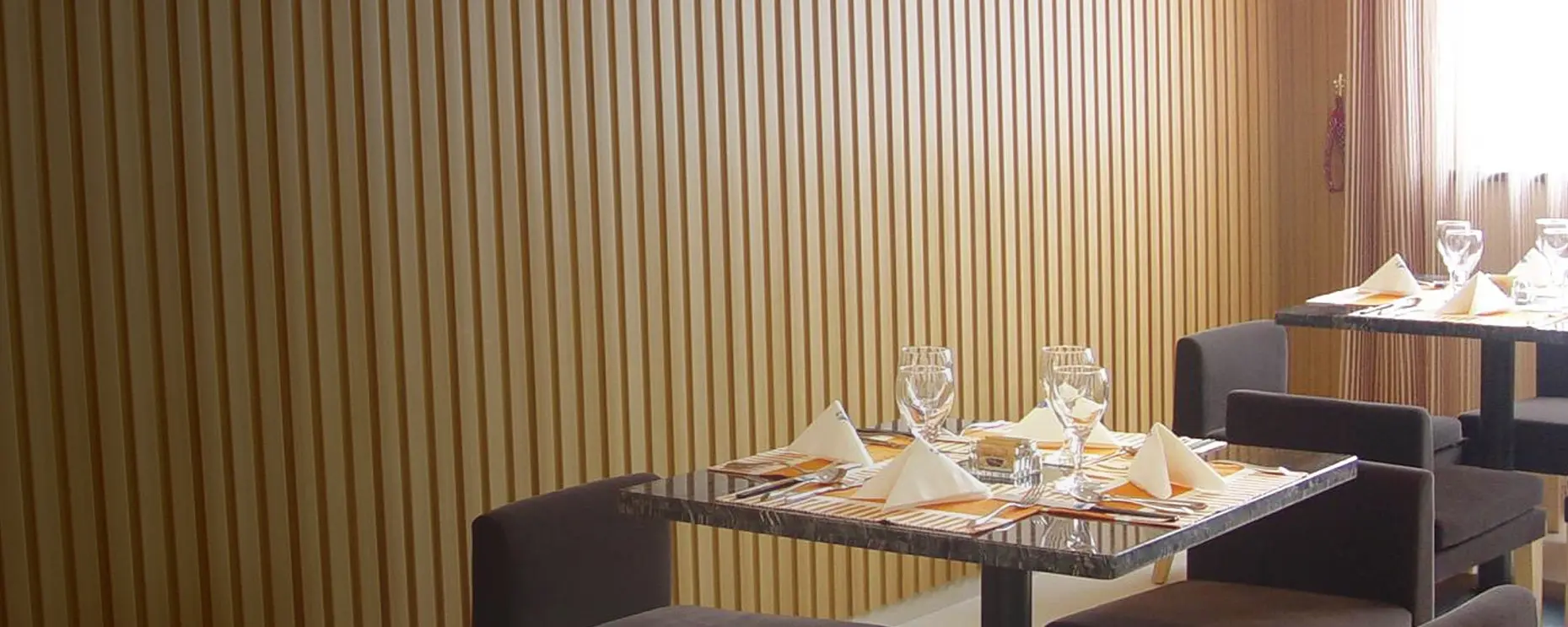
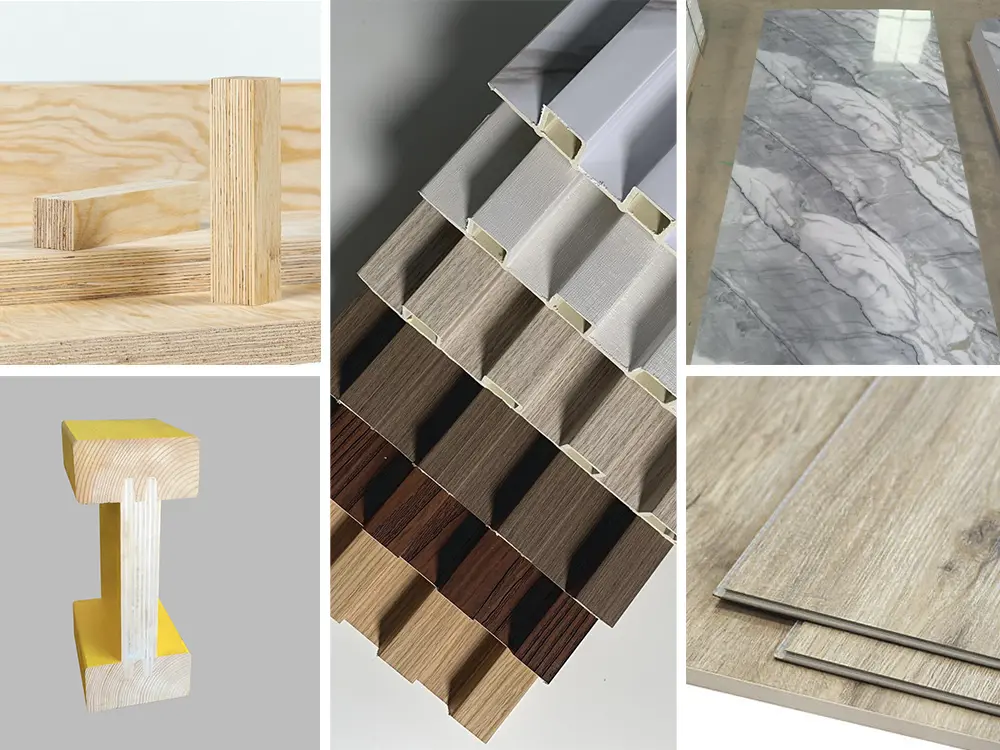
Durable, weather-resistant wood-plastic composite engineered for architectural cladding and modern decorative facades.
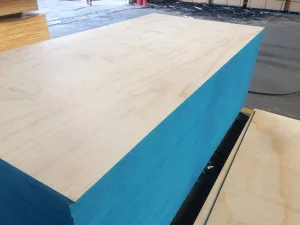
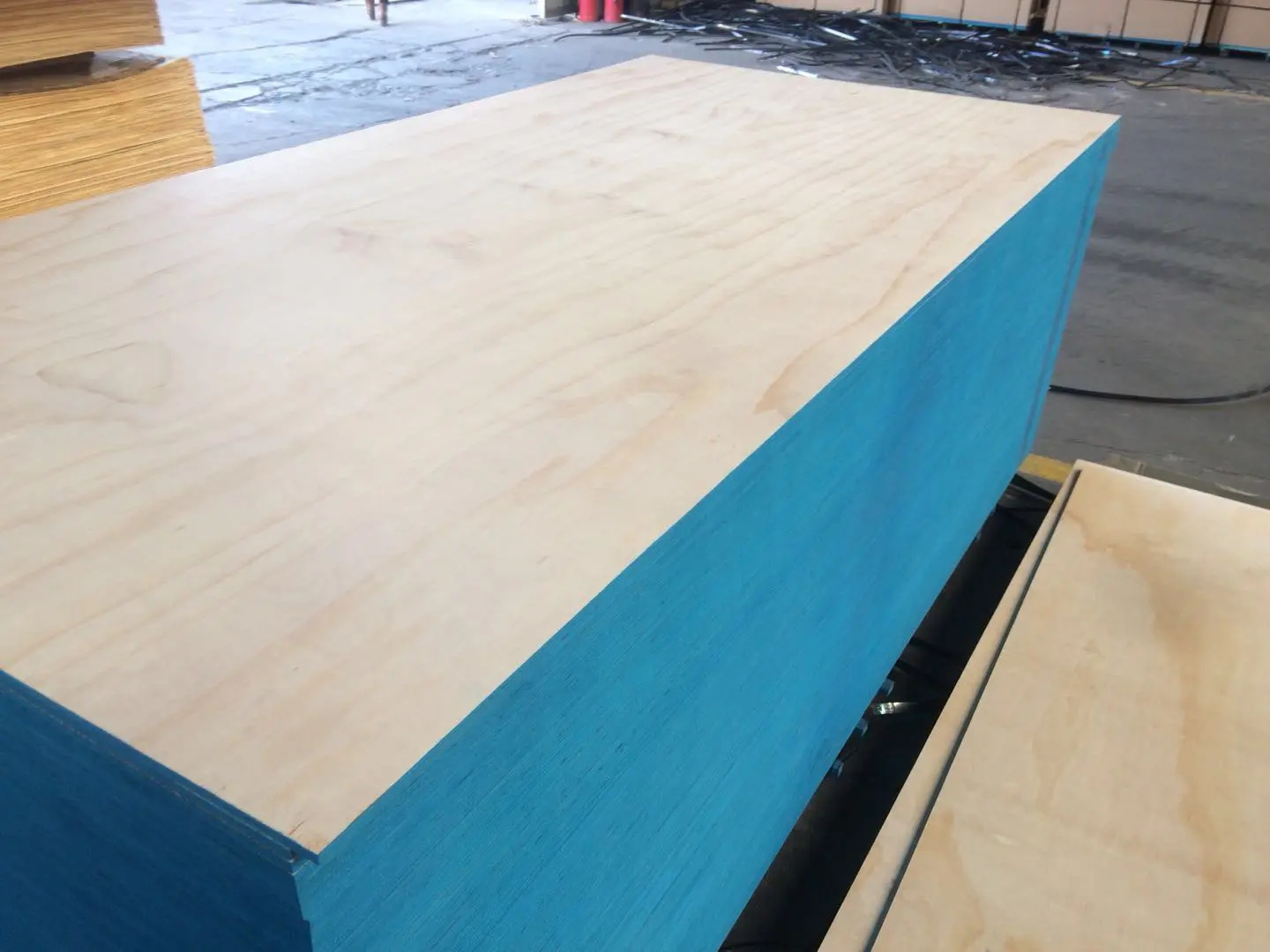
Engineered multi-ply layers featuring excellent structural load capability, perfect for premium cabinetry and high-strength packaging.
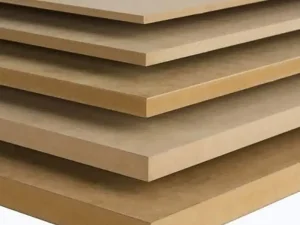
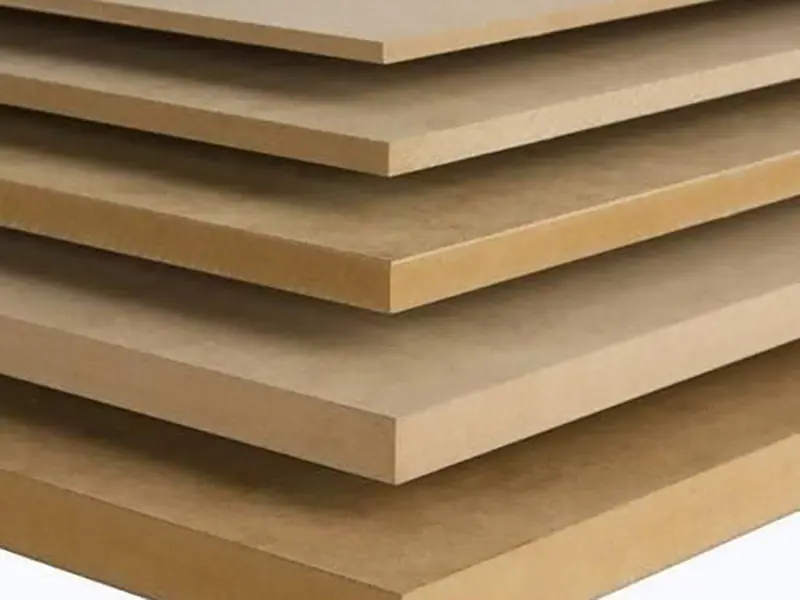
Ultra-consistent core density profile designed for intricate CNC milling, routing, and high-gloss furniture laminates.
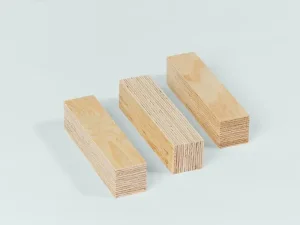
High-strength structural engineered timber designed for headers, beams, and load-bearing framing applications.
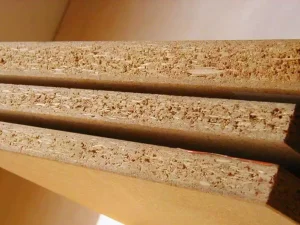
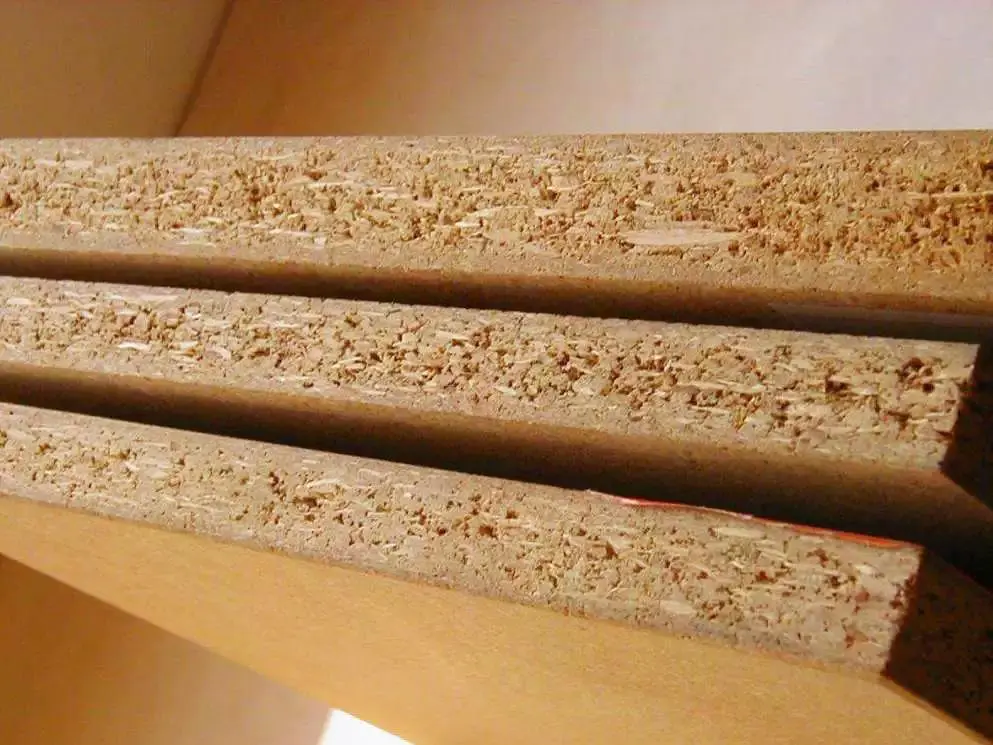
Eco-friendly engineered chipboard panel providing superior screw-holding capabilities and structural flatness.
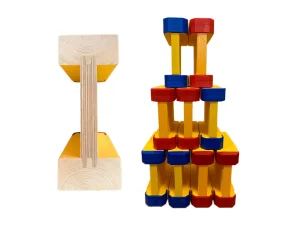
Industry-standard concrete shuttering beams treated for outdoor durability and repetitive high-pressure usage.
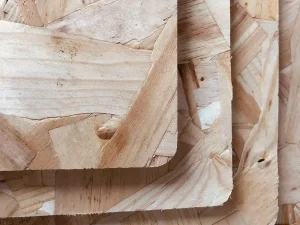
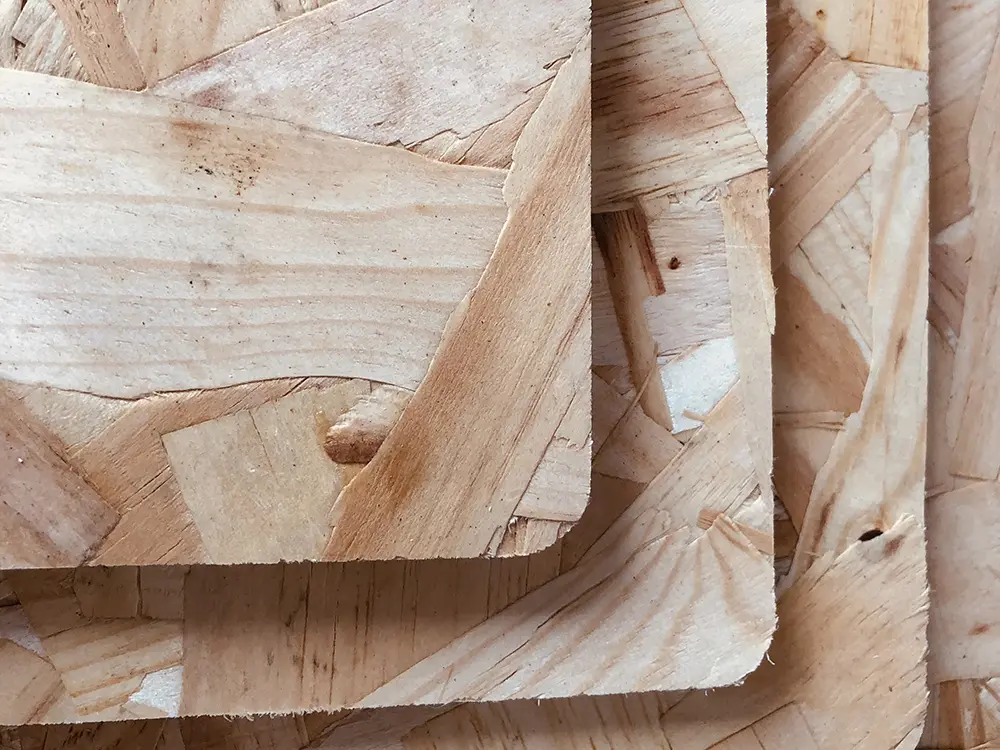
Moisture-resistant, cross-oriented strand boards ideal for roof decking, subfloors, and structural wall sheathing.
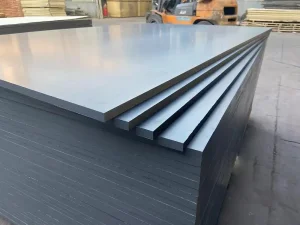
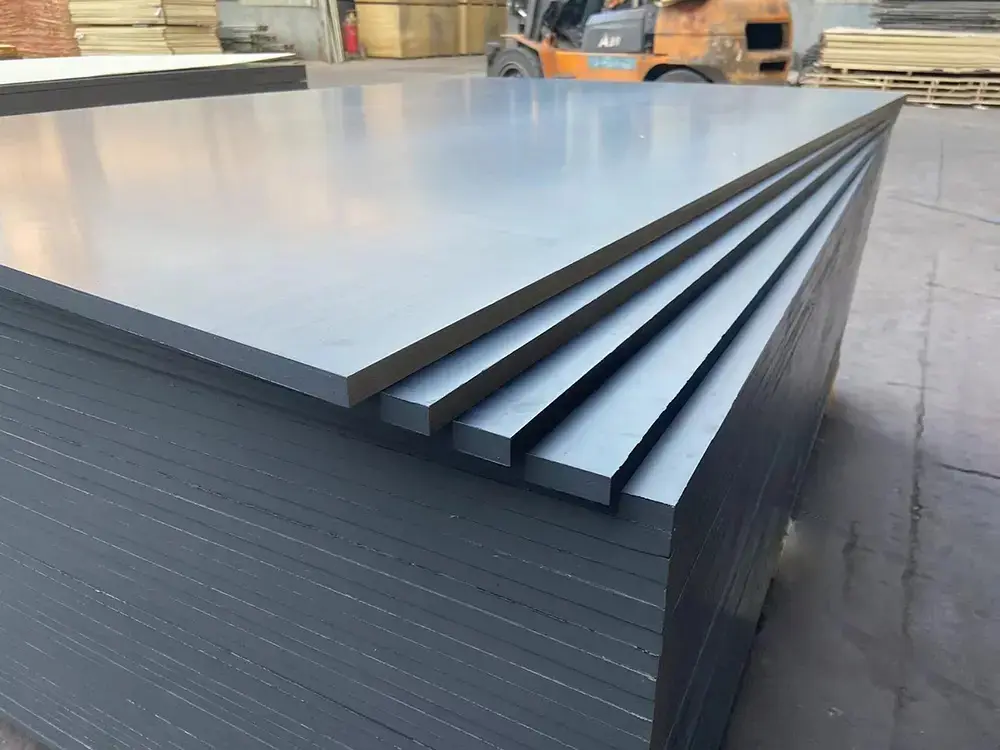
Phenolic resin coated panels providing smooth concrete finishes and optimized multi-cycle reusability.
Glued Laminated Timber, commonly abbreviated as Glulam, represents one of the most critical breakthroughs in structural engineering and sustainable architecture. By bonding individual pieces of dimension lumber together with high-strength, moisture-resistant adhesives, manufacturers create a composite structural member that surpasses solid-sawn timber in load-bearing efficiency, design versatility, and dimensional stability. In the global effort to decarbonize the construction sector, Glulam has emerged as the premier material for mass timber structures, offering a renewable alternative to carbon-heavy steel and concrete.
Unlike traditional lumber, where knots, shakes, and structural defects dictate the overall strength of a beam, Glulam is manufactured under strict quality-controlled conditions. The process involves laminating wood pieces (lamellae) with their grain lines running parallel to the longitudinal axis. This allows for structural optimizations: higher-grade lumber is placed in areas of maximum tension and compression, while lower-grade lumber is utilized in areas of lower stress. The result is a highly engineered member with a high strength-to-weight ratio, capable of spanning vast distances without internal vertical support columns.
The integrity of Glued Laminated Timber relies heavily on the adhesive systems used. Leading Chinese manufacturers, including Shandong Quality Wood, utilize advanced polyurethane (PUR), melamine-urea-formaldehyde (MUF), and phenol-resorcinol-formaldehyde (PRF) adhesives. These structural glues must conform to stringent international standards such as EN 301, ASTM D2559, and AS/NZS 4364. These specifications ensure that under cyclic moisture changes, high heat, and seismic events, the glueline remains stronger than the wood itself, preventing delamination and guaranteeing structural longevity.
Shandong Quality International Trade Co., Ltd. (also trading as Shandong Quality Wood Co., Ltd.) was established on the fundamental belief that global construction projects require comprehensive, reliable, and high-performance wood-based panel and structural timber products. Over a decade of rigorous operational experience has positioned us as a premier supplier and manufacturer in China.
Our product portfolio has expanded to include certified Plywood, OSB, WPC Panels, PVC Marble Panels, and specialized structural systems under our house brands QUALITYPLEX and QUALITYOSB. We combine advanced material science, automated production facilities, and customer-oriented logistical support to serve contractors, architects, and industrial manufacturers worldwide.
Why international procurement departments choose Chinese engineered timber manufacturers for large-scale commercial, industrial, and infrastructure projects.
We operate advanced, German-engineered finger-jointing lines and high-precision CNC framing installations, ensuring sub-millimeter tolerances on long-span arches and custom-profiled structural columns.
With strategic port access and partnerships with certified global forestry firms, Shandong Quality Wood guarantees raw timber supply continuity in Larch, Douglas Fir, Spruce, and Radiata Pine.
Every Glulam production batch undergoes non-destructive mechanical stress grading (MSR), delamination testing, and environmental chamber tests to guarantee compliance with EU, US, and Australian codes.
When structural engineers specify Glued Laminated Timber, they rely on specific strength classes. The European standard EN 14080 defines strength classes from GL24 to GL36, split into homogeneous (h) and combined (c) layups. In homogeneous Glulam, all laminations are of the same strength grade, whereas combined Glulam features high-strength outer lamellae and lower-grade inner lamellae. This engineering layout leverages structural physics: tension and compression stresses are highest at the outer margins of a bending member, while shear stress peaks in the center.
Below is a technical breakdown of typical design values for structural Glued Laminated Timber produced under standard quality assurance parameters:
One of the major drivers for the global growth of Glulam is its role in carbon sequestration. Trees capture carbon dioxide from the atmosphere during growth, locking it into the wood fiber. When manufactured into Glulam, this carbon remains stored within the building fabric for generations. According to Environmental Product Declarations (EPDs), the embodied energy of a Glulam beam is approximately one-third of a comparable steel beam and one-fifth of reinforced concrete, representing a vital strategy for achieving Net-Zero building targets.
Direct factory production lines covering basic and advanced engineered wood materials for furniture and industrial construction.
The global construction market is undergoing a rapid transition toward industrial prefabrication. In regions like North America, the European Union, and Australia, construction companies face labor shortages, rising on-site costs, and stringent municipal carbon caps. Glued Laminated Timber solves these problems by enabling off-site prefabrication. Each column, beam, and truss is pre-cut via advanced 5-axis CNC machines in the factory, pre-drilled for steel connection plates, and shipped directly to the construction site for rapid assembly.
Our macro-industry solutions address key market sectors:
By combining Glulam with Cross-Laminated Timber (CLT) panels and structural steel connections, we offer comprehensive structural timber solutions. This hybrid approach allows architects to utilize the best materials for specific structural demands while reducing construction timelines by up to 40%.
Technical answers regarding structural capacity, fire safety, adhesive standards, and procurement processes for Glued Laminated Timbers.
Select from our range of structural components, interior decoration paneling, and heavy formwork boards.
Durable, weather-resistant wood-plastic composite engineered for architectural cladding and modern decorative facades.
Engineered multi-ply layers featuring excellent structural load capability, perfect for premium cabinetry and high-strength packaging.
Ultra-consistent core density profile designed for intricate CNC milling, routing, and high-gloss furniture laminates.
High-strength structural engineered timber designed for headers, beams, and load-bearing framing applications.
Eco-friendly engineered chipboard panel providing superior screw-holding capabilities and structural flatness.
Industry-standard concrete shuttering beams treated for outdoor durability and repetitive high-pressure usage.
Moisture-resistant, cross-oriented strand boards ideal for roof decking, subfloors, and structural wall sheathing.
Phenolic resin coated panels providing smooth concrete finishes and optimized multi-cycle reusability.
 Quality