
In modern intermodal logistics, the container floor serves as the silent workhorse of global trade. Under pressure from heavy forklifts, dynamic loading dynamics, and volatile marine environments, container flooring must meet strict international structural thresholds. Historically dominated by Southeast Asian tropical hardwoods like Keruing (Apitong), the industry is transitioning toward high-performance engineered composites.
Must withstand dynamic wheel loads of 7,260 kg (ISO 1496-1 standard testing). Plywood cores require precise thickness calibrations and zero-overlap veneer structures.
Resists extremes ranging from -40°C in Siberian rail corridors to 80°C in equatorial ocean decks, preventing core splitting and fungal decay.
Requires strict compliance with Australian Quarantine and Inspection Service (AQIS) treatment protocols to prevent cross-border pest migration.
Standard container flooring relies on a composite configuration designed to maximize bending strength and shear modulus. Modern container floor plywoods generally measure 28mm in thickness, constructed using 19 layers (plies) of dense, high-grade hardwood veneers. Each layer is cross-banded at right angles to balance the directional properties of natural wood, neutralizing thermal expansion and warp dynamics.
The bonding element is critical. Leading suppliers use Water Boil Proof (WBP) Phenolic Resin, which must pass a 72-hour boiling water immersion test without showing signs of delamination. Furthermore, the core composition has evolved into hybrid configurations where premium eucalyptus or birch forms the inner strength matrix, capped with Keruing faces to optimize wear resistance and maintain structural elasticity.
Through continuous R&D, advanced manufacturers have introduced bamboo-hardwood composites. Bamboo, with its high tensile strength, acts as a structural reinforcement layer, allowing for lighter container weights while meeting or exceeding traditional hardwood shear strength requirements.
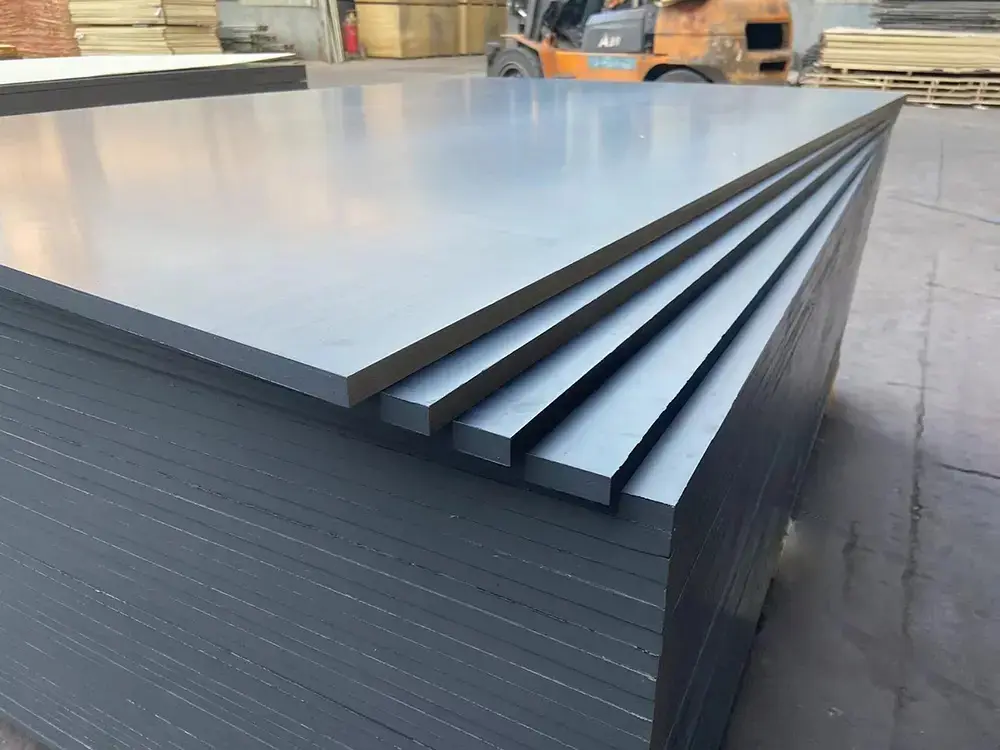
Chinese manufacturers, particularly those in timber processing regions like Linyi in Shandong Province, have established advanced production ecosystems. These hubs combine high-output capacity with stringent quality controls.
Advanced hot-press systems apply precise pressure and temperature profiles, eliminating core voids and ensuring uniform density across every sheet.
Proximity to chemical formulation units, veneer cutting mills, and major shipping ports reduces raw material lead times and stabilizes manufacturing costs.
Every production batch features integrated tracking metrics, logging moisture levels, pressing pressures, and chemical cure indexes for strict quality assurance.
Established with the core mission of providing comprehensive solutions for wood-based panel products, Shandong Quality International Trade Co., Ltd. (also operating as Shandong Quality Wood Co., Ltd.) has grown to become a leading supplier in China. Our dedication to delivering premium wood-based panel products, ensuring timely delivery, and providing excellent service forms the foundation of our operations.
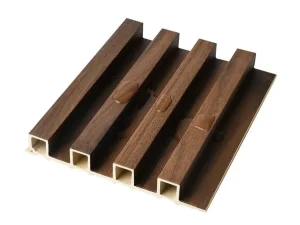
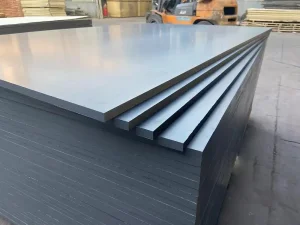
With more than ten years of industry experience, we have established a strong customer base across the globe. Our extensive product range includes Plywood, OSB, WPC Panels, PVC Marble Panels, and our house brands QUALITYPLEX and QUALITYOSB. We pride ourselves on providing tailor-made services that enable our clients to complete their projects effectively and efficiently.
Our team comprises experienced professionals passionate about delivering exceptional products and services. We continually invest in training and development to remain at the forefront of industry trends and wood engineering innovation.
We serve a diverse international clientele, including container leasing firms, dry cargo manufacturers, construction companies, furniture manufacturers, and interior design firms.
Our manufacturing facilities feature state-of-the-art technology and adhere to strict quality control measures, ensuring our products meet the highest industry standards and exceed customer expectations.
Explore our diversified selection of structural products engineered to perform in demanding environments:
High-quality shuttering board covered with resin-treated protective paper, engineered for structural concrete formwork operations.
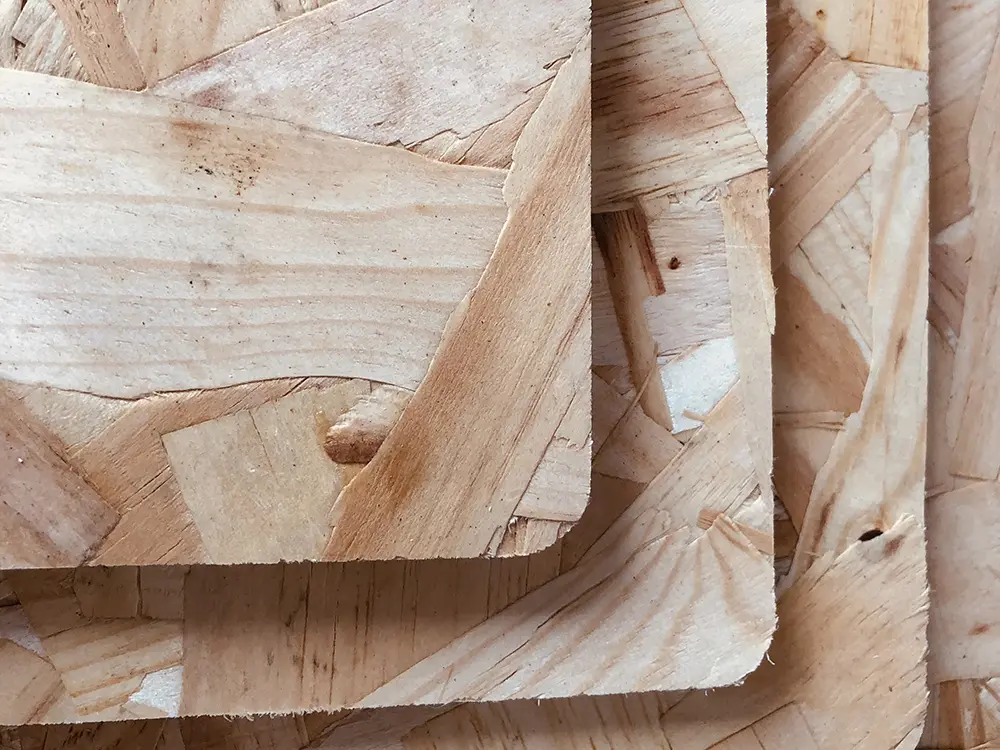
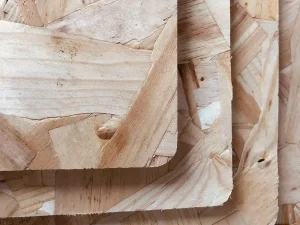
Engineered structural panel formed by wooden flakes oriented in three perpendicular layers, optimizing load-bearing performance.
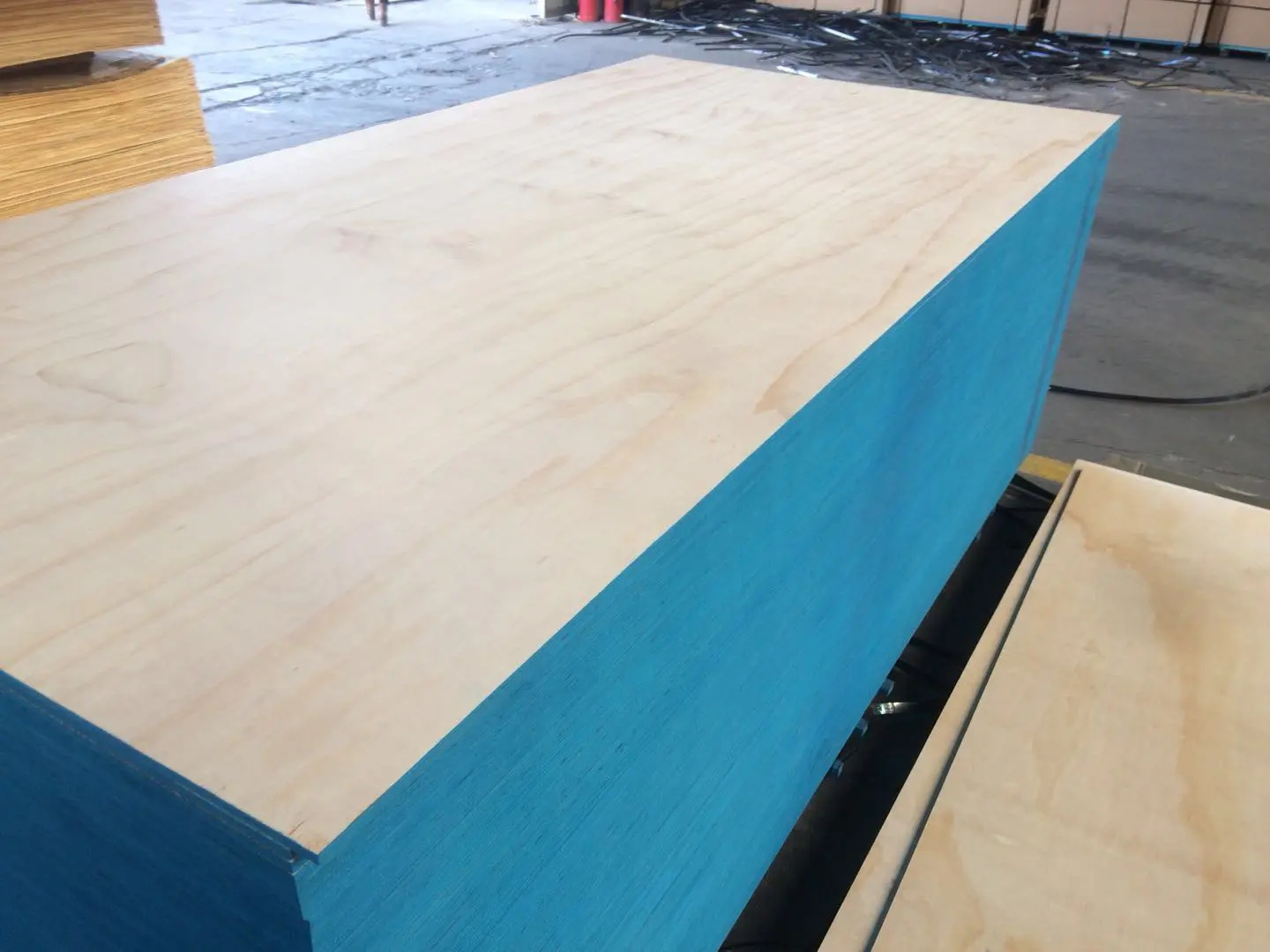
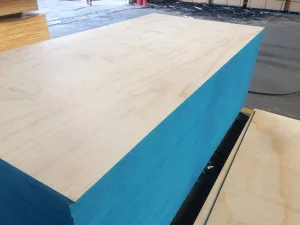
Premium multi-ply sheet material manufactured from thin layers of wood veneer, used for furniture, decoration, and industrial packing.
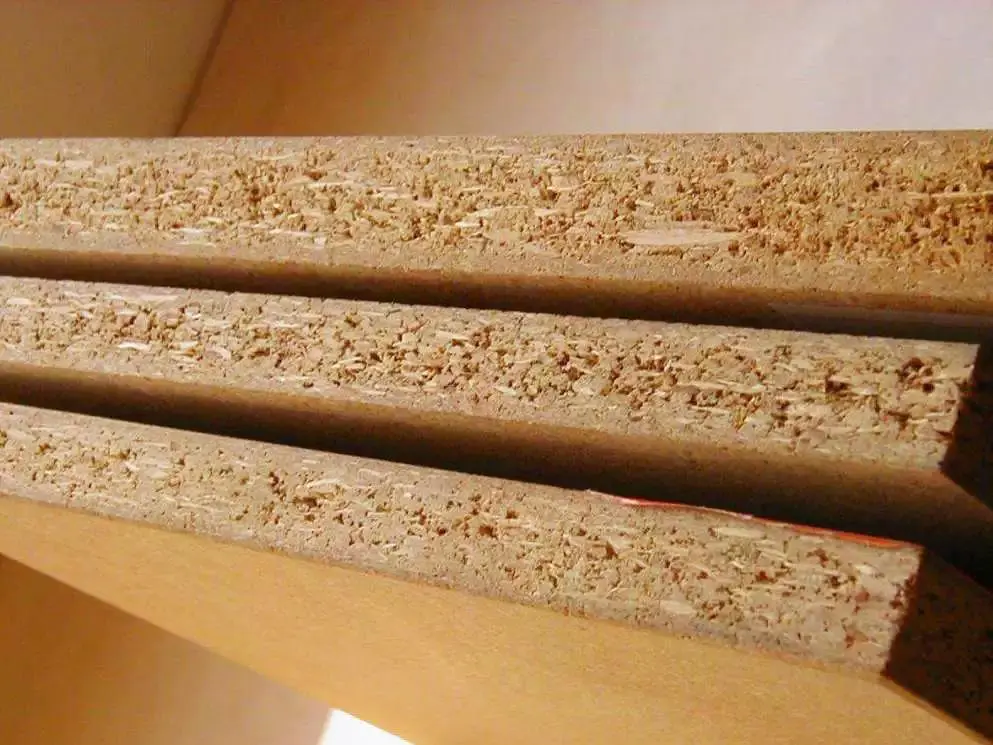
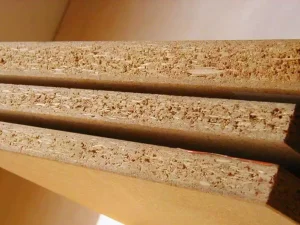
Also known as chipboard, this engineered wood product is made from wood chips and particles bonded with high-grade adhesives under heat and pressure.
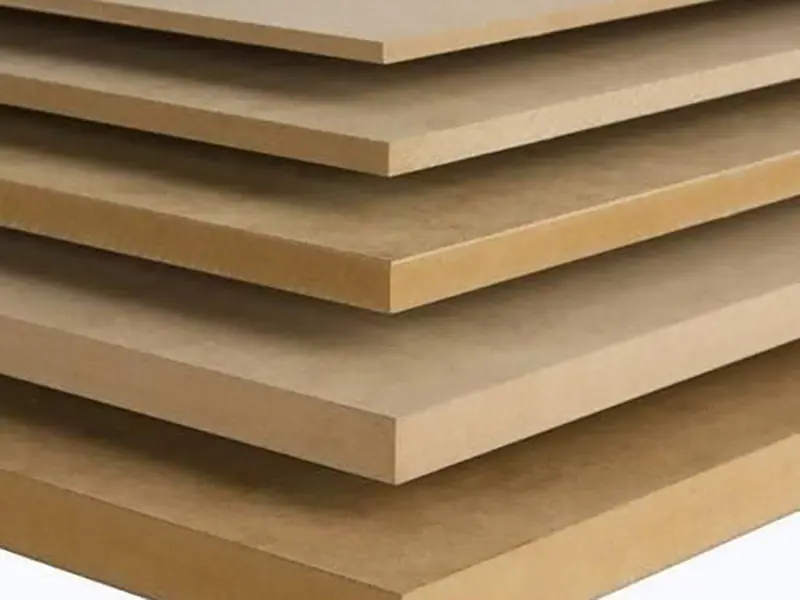
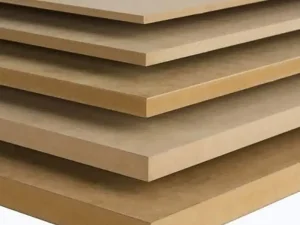
Manufactured by breaking down hardwood or softwood residuals into wood fibers, forming a stable panel ideal for furniture construction.
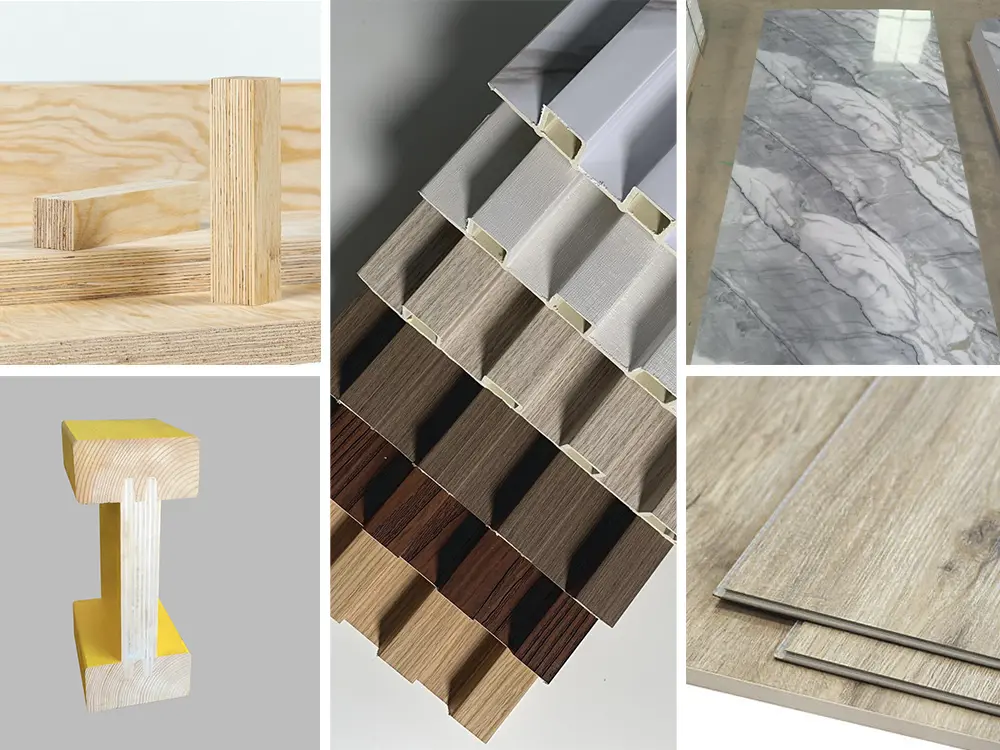
Stone Plastic Composite vinyl flooring, offering waterproof performance and stability for commercial and residential applications.
Our structural panels and container floor plywoods are optimized for a range of heavy-duty industrial applications:
The standard choice for ISO dry cargo containers. These floorboards endure forklift loading cycles, securing cargo throughout long-distance ocean voyages.
Utilized as the load-bearing subfloor in modified shipping container homes, pop-up cafes, and modular office units, offering structural stability and insulation properties.
Ideal for commercial truck trailer floor repairs. Resists heavy wear and point loads from pallet jacks, extending vehicle service life.
Procuring container floor plywood at wholesale volumes requires attention to structural certifications and supply chain management. Procurement managers should evaluate key parameters to minimize risks and ensure reliable performance:
Ensure the plywood uses a high percentage of dense hardwood (such as Keruing, Eucalyptus, or Birch) rather than lower-density softwoods. Check density specifications, which should hover around 750 kg/m³ to 850 kg/m³.
Request independent laboratory test sheets confirming compliance with the BS 1088 or equivalent marine grade adhesive criteria, ensuring the panels resist delamination under humid marine conditions.
Verify formaldehyde emission limits (CARB Phase 2 or EPA TSCA Title VI compliance) and check for FSC certification to ensure the raw timber is harvested from responsibly managed forests.
Our logistics and export framework ships container flooring panels and structural materials directly to major industrial and maritime centers worldwide.
Looking ahead, our focus is on expanding our product range, enhancing our quality testing capabilities, and entering new regional markets. We remain committed to maintaining a leading position in the wood-based panel industry and exceeding our customers' expectations.
Our Mission: Quality First | Competitive Pricing | Customer Orientated
Contact Our Sourcing TeamHere are detailed answers to common technical and commercial questions about container flooring plywood sourcing:
 Quality