In the rapidly evolving global market, sourcing quality materials is crucial for any project. Premium plywood stands out as a key choice for builders, designers, and manufacturers. Choosing the right supplier can make a significant impact on the success of your projects. However, the selection process can be daunting given the vast options available.
China has emerged as a leading hub for premium plywood production. Many suppliers offer excellent quality, but not all meet international standards. To find the best options, buyers must thoroughly evaluate suppliers based on their reputation, experience, and product range. Understanding the nuances of premium plywood, such as types, certifications, and sustainability practices, can help buyers make informed decisions.
In this dynamic landscape, recognizing reliable suppliers is challenging yet essential. The top 10 premium plywood suppliers in China exhibit a blend of expertise, authority, and trustworthiness. This overview aims to assist global buyers in navigating their choices, ensuring that they can source high-quality plywood that meets their needs and expectations. Choosing wisely can save time, reduce costs, and enhance project outcomes.
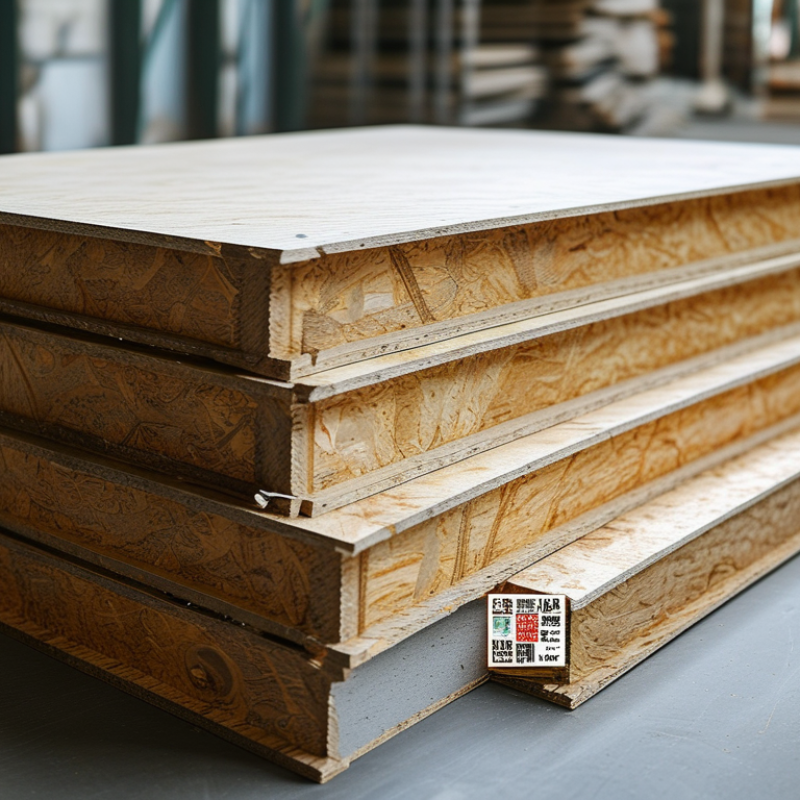
Premium plywood has become a critical component in global construction and furniture markets. China's production of high-quality plywood has increased in response to rising international demand. According to the China Forest Products Industry Association, the plywood market is expected to reach a value of $50 billion by 2025. This growth reflects a surge in both domestic and international projects.
The key to this demand lies in superior production techniques and sustainability practices. Many manufacturers focus on eco-friendly sourcing of raw materials. This shift aligns with global trends towards green building solutions. However, quality control remains a concern. Some suppliers struggle with consistent product quality, leading to dissatisfaction among buyers. The importance of sourcing from reputable suppliers cannot be overstated.
Additionally, the logistics of shipping plywood globally can complicate matters. Delays in delivery and fluctuations in shipping costs affect pricing. Market experts suggest that buyers should stay informed about these factors. Regular communication with suppliers and keeping abreast of market reports will help mitigate risks. Adopting a proactive approach can result in better procurement strategies and stronger partnerships.
When selecting top plywood suppliers in China, buyers should assess several key factors. Quality is crucial. Suppliers must provide high-grade materials that meet international standards. Look for certifications that validate quality claims. This ensures you receive durable and reliable products.
Price is another critical criterion. Supplier prices can vary widely. A lower price may not always indicate better value. Sellers might compromise on quality to reduce costs. Therefore, it pays to compare offers carefully. Take time to examine the cost versus quality ratio.
Tips: Verify the supplier's reputation through reviews and feedback. This provides insight into other buyers' experiences. Consider engaging with suppliers directly to gauge their responsiveness and professionalism. Prompt communication can indicate a supplier's commitment to customer service.
Another aspect is production capacity. A reliable supplier should have the ability to meet your volume demands. Check if they can handle large orders consistently without compromising quality. Also, consider geographic logistics. Proximity can impact shipping costs and delivery times. Balancing these factors will help you establish a successful partnership with a plywood supplier in China.
China is a major player in the global plywood market. The country accounts for approximately 50% of the world's plywood production. While many companies offer quality products, identifying the top suppliers can be challenging.
One notable trend is the specialization of suppliers. Some focus on specific types of plywood, such as marine-grade or heavy-duty options. These suppliers often invest in advanced technology for higher durability. This reflects a deep understanding of market demands, making them reliable partners for global buyers. Recent data indicates that demand for eco-friendly plywood is rising, showing a shift in buyer preferences.
Moreover, not every supplier can consistently meet international quality standards. Buyers should be cautious and conduct thorough research. Transparency in sourcing materials is crucial. Reports suggest that suppliers with strong certifications, like FSC and PEFC, often deliver more reliable products. Yet, it is essential to verify these claims, as not all certifications indicate the same level of commitment to sustainability. This dynamic market requires vigilance and informed decision-making to ensure quality and reliability.
In recent years, the demand for plywood has surged globally. A comparative analysis of supplier pricing and quality standards reveals significant variations across suppliers. Research from the China Timber and Wood Products Distribution Association indicates that premium plywood prices can range from $500 to $800 per cubic meter, depending on quality and grading.
Quality standards are critical in this industry. Many suppliers adhere to international certifications, such as FSC and CARB. This not only ensures sustainable sourcing but also aligns with global quality norms. A study from the Plywood Manufacturers Association shows that products meeting these standards tend to command higher prices, reflecting enhanced trust among buyers.
However, inconsistencies persist. Some suppliers may offer lower prices, but the quality often lacks the necessary certifications. This discrepancy poses a risk for global buyers, who may face long-term costs due to product failures or compliance issues. It's essential for buyers to conduct in-depth evaluations of supplier practices to mitigate these risks effectively.
| Supplier Type | Pricing (USD per cubic meter) | Quality Standard | Delivery Time (Days) | Customer Rating (Out of 5) |
|---|---|---|---|---|
| Commercial Plywood | 450 | E1 | 30 | 4.5 |
| Marine Plywood | 600 | BS 1088 | 25 | 4.8 |
| Film Faced Plywood | 500 | E0 | 20 | 4.6 |
| Bamboo Plywood | 550 | E1 | 28 | 4.7 |
| Decorative Plywood | 700 | E0 | 15 | 4.9 |
| OSB (Oriented Strand Board) | 400 | E1 | 35 | 4.3 |
| MDF (Medium Density Fiberboard) | 300 | E0 | 33 | 4.4 |
| Particle Board | 250 | E1 | 40 | 4.2 |
| Hardwood Plywood | 800 | E0 | 18 | 4.8 |
| Softwood Plywood | 350 | E1 | 32 | 4.1 |
When importing plywood from China, understanding the landscape is essential. China's plywood industry has numerous suppliers, each with unique offerings. As a global buyer, you need to consider quality, sourcing practices, and communication. Not all suppliers are equal, and some may not meet international standards.
Research is critical. Investigate suppliers' certifications and production methods. Engage in direct conversations to assess their reliability. Visiting factories can provide invaluable insights, yet it requires time and resources. Buyers often face challenges in quality control during shipping. Establish clear guidelines and specifications to mitigate risks.
Build relationships with suppliers for long-term success. Communication is key to overcoming language barriers. Understand local practices and cultural differences to foster trust. It may be a learning curve, and mistakes can occur, but adaptability is important. With the right approach, importing plywood from China can be a rewarding venture, paving the way for sustainable business growth.
: Increased construction and furniture needs globally drive demand. Eco-friendly practices also play a significant role.
The plywood market is projected to reach $50 billion by 2025, according to industry forecasts.
Quality control varies among suppliers. Inconsistent quality can lead to buyer dissatisfaction over time.
Buyers should communicate regularly with suppliers. Staying updated on shipping costs and delays helps manage risks.
Prices range from $500 to $800 per cubic meter. Quality and certifications play crucial roles in pricing differences.
Reputable suppliers adhere to quality standards. This reduces the risk of long-term costs and compliance issues.
Yes, significant variations exist in quality and certifications. Some suppliers may lack the necessary standards.
Buyers should seek suppliers with FSC and CARB certifications. These indicate sustainable practices and high quality.
A proactive approach is essential. Evaluate supplier practices and maintain open communication regularly.
Yes, cheaper options often lack quality certifications. This can lead to unexpected costs and product failures later.
The article titled "Top 10 Premium Plywood Suppliers in China for Global Buyers" provides a comprehensive overview of the premium plywood market in China, highlighting the increasing demand from global buyers. It outlines essential criteria for selecting the best plywood suppliers, emphasizing the importance of quality standards and pricing in making informed decisions.
Additionally, the article presents a curated list of the top suppliers, detailing their specialties and areas of expertise. A comparative analysis examines the pricing and quality offerings of these suppliers, serving as a valuable guide for global buyers looking to import premium plywood from China. This resource aids in navigating the complexities of sourcing high-quality materials while ensuring compliance with international standards.

Quality