In the world of woodworking and construction, selecting the right Plywood Sealer is crucial. According to industry expert Mark Thompson, “The effectiveness of a sealer significantly impacts the longevity and appearance of plywood products.” This statement resonates with many professionals who emphasize the importance of quality in finishing.
Choosing the right Plywood Sealer can be daunting. With numerous products available, it’s easy to feel overwhelmed. Factors such as moisture resistance, durability, and application ease come into play. A reliable sealer not only protects the wood but also enhances its natural beauty. Understanding these aspects can guide buyers towards making informed decisions.
However, not all products deliver as promised. Misleading marketing can lead to frustration. It's essential to rely on reviews and expert opinions before making a purchase. When you take time to research, you'll find that the right Plywood Sealer can transform your project. Being cautious and informed can save both time and resources.
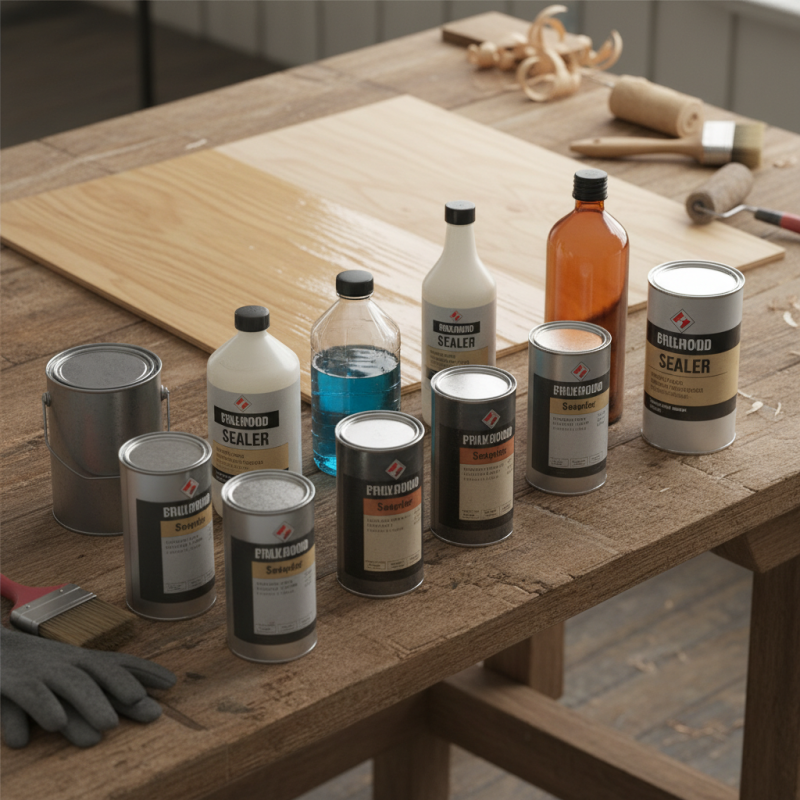
Using plywood sealers in construction and furniture making offers significant advantages. These sealers protect wood surfaces from moisture and damage. They create a barrier that helps prevent warping and cracking over time. Proper sealing extends the life of plywood, ensuring that furniture and structures remain durable and attractive.
Tips for applying plywood sealers include ensuring the surface is clean and dry. A well-prepared plywood surface helps sealers adhere better. It’s helpful to apply in thin layers. Thick applications may not dry properly and could lead to an uneven finish. Always test on a small area first to see how the wood reacts.
While the benefits are clear, some users might overlook the importance of ventilation. Working in a well-ventilated area helps disperse fumes. This ensures a safer working environment. Be aware of the climate conditions too. High humidity can affect how the sealer cures. It’s crucial to consider these factors for the best results in your project.
This chart illustrates the popularity of various types of plywood sealers among users. Water-based and polyurethane sealers lead in popularity due to their ease of application and effectiveness, while latex and silicone sealers are less favored. Understanding these preferences can help buyers make informed decisions when selecting sealers for construction and furniture making.
When selecting plywood sealers, certain key features are essential. Durability is crucial—look for options that withstand harsh weather. A quality sealer should also provide good adhesion. This ensures it bonds well to the wood surface, enhancing protection. Additionally, UV resistance is vital. Sealers that resist fading and deterioration from sunlight will prolong the life of your project.
Water resistance is another important feature. It prevents moisture from penetrating, thereby reducing the risk of warping or mold. Pay attention to ease of application, too. A user-friendly sealer can save time and effort. Some products may require multiple coats, while others may need only one. Compatibility with different wood types is necessary, as not all sealers work well with every kind of plywood.
Application methods vary. Spray, brush, or roll-on options provide flexibility, depending on the project scale. Look for sealers with low VOC content. They are environmentally friendly and safer for indoor use. A careful examination of these traits can lead to better decisions. Remember, a reliable sealer can make a substantial difference in project longevity and appearance. However, test any product first to avoid unexpected results.
Choosing the right plywood sealer can be challenging for global buyers. Performance comparison is crucial. Recent industry reports show that sealers vary significantly in durability and moisture resistance. A study revealed that products with polyurethane bases often outperform standard coatings in preventing water infiltration. This highlights the importance of selecting high-quality options.
When comparing sealers, consider key performance indicators. Look for abrasion resistance and UV stability. A sealer with high UV stability can extend the lifespan of plywood outdoors. According to industry data, sealers with an abrasion resistance rating above 3,000 cycles offered better protection in real-world tests. Such metrics help in making informed decisions.
Tips: Always test a small area before full application. This helps in assessing the finish and compatibility. Also, consider your environmental conditions. In humid areas, moisture-resistant sealers are essential. Finally, reevaluate your choice after some time. Not all sealers perform as expected over the long term, so keeping track of their effectiveness is wise.
When selecting plywood sealers, one crucial factor is the Volatile Organic Compound (VOC) levels. VOCs can significantly impact indoor air quality. According to the U.S. Environmental Protection Agency (EPA), exposure to high VOC levels can lead to health issues ranging from headaches to more severe respiratory problems. Many sealers on the market now offer low VOC options, appealing to environmentally conscious consumers.
Regarding the choice of sealers, data from industry studies indicate that products containing less than 100 grams per liter of VOCs are preferable. These sealers can provide effective moisture control while reducing harmful emissions. However, not all sealers clearly label their VOC content, which may lead to confusion. Users should always check product specifications before making a decision.
**Tip:** Consider testing the air quality in your workspace after applying any sealer to ensure safety. Regular monitoring can help identify potential VOC-related issues.
Prioritizing options with transparent labeling can reflect a commitment to sustainability. However, even products labeled as “low VOC” may still emit gases. Research has shown that some consumers remain unaware of potential long-term effects. A well-informed choice can protect both your health and the environment.
| Sealer Type | VOC Level (g/L) | Drying Time (hours) | Finish Type | Application Method | User Rating (1-5) |
|---|---|---|---|---|---|
| Water-Based Sealers | 50 | 2 | Matte | Brush or Spray | 4.5 |
| Oil-Based Sealers | 400 | 6 | Glossy | Roller or Brush | 4.0 |
| Polyurethane Sealers | 250 | 4 | Satin | Spray | 4.8 |
| Acrylic Sealers | 70 | 3 | Flat | Spray or Brush | 4.3 |
| Shellac Sealers | 150 | 1 | Natural | Brush | 4.6 |
| Epoxy Sealers | 300 | 12 | High-Gloss | Roller | 4.7 |
| Natural Oil Sealers | 30 | 2 | Satin | Cloth or Brush | 4.9 |
| Sealants with Biocides | 200 | 5 | Glossy | Spray or Brush | 4.2 |
| Environmental Friendly Sealers | 10 | 2 | Matte | Spray | 4.8 |
| Hybrid Sealers | 120 | 3 | Satin | Roller or Spray | 4.4 |
When applying plywood sealers, technique plays a critical role in maximizing effectiveness. Ensure the surface is clean and dry before application. This step prevents imperfections during sealing. Dust, moisture, or grease can diminish adhesion. Use a fine-grit sandpaper to prepare the plywood, enhancing the sealer's penetration.
If you're working on a large surface, consider using a high-quality roller or sprayer. These tools can offer a more even coat. However, brush applications allow for more precision in detail work. You might notice some areas remain unsealed. Don’t rush the process. Apply a second coat if necessary, ensuring complete coverage.
Tips: Always follow the manufacturer's instructions for drying times. Overlooking this can lead to bubbling or peeling. Test your sealant on a small section first. This trial can help prevent mistakes on a larger area. Lastly, keep your workspace well-ventilated. Fumes can be harmful and may affect the final finish.
: Key features include durability, adhesion, UV resistance, and water resistance.
UV resistance prevents fading and deterioration, extending the lifespan of your plywood project.
Check if it requires multiple coats or just one. Ease of application saves time.
Common methods include spray, brush, and roll-on. Choose based on your project size.
VOC levels indicate harmful emissions. Low VOC sealers improve indoor air quality and safety.
Apply it to a small area first. Assess the finish and compatibility before proceeding.
No, compatibility varies. Always check if the sealer works well with your specific plywood type.
Moisture resistance prevents warping and mold. It's crucial in humid environments.
Reevaluate your choice after some time. Monitor its effectiveness.
Test air quality after application. Regular monitoring helps detect VOC-related issues.
Plywood sealers play a crucial role in construction and furniture making, enhancing the durability and aesthetic appeal of plywood surfaces. They provide a protective barrier against moisture, stains, and wear, making them essential in projects that demand longevity. When selecting a plywood sealer, it is important to consider key features such as adhesion, drying time, and resistance to environmental factors.
The article presents a performance comparison of the top 10 plywood sealers, highlighting their efficacy and industry ratings while also addressing environmental considerations, particularly VOC levels that can impact air quality. Moreover, the article offers practical application techniques to ensure that users maximize the effectiveness of their chosen plywood sealer, ensuring optimal results in their projects.

Quality