China's plywood industry has shown remarkable growth in recent years. According to a report by Grand View Research, the global plywood market was valued at approximately $75 billion in 2022. This figure is expected to grow at a compound annual growth rate (CAGR) of 4.9% from 2023 to 2030. The demand is driven by construction and furniture manufacturing, sectors heavily reliant on plywood.
Plywood factories in China play a crucial role in this supply chain. Many factories are located in provinces like Guangdong and Shandong. They utilize advanced technology and sustainable practices, which enhances their reputation for quality. However, not all factories maintain high standards. Some factories face challenges, such as inconsistent quality and environmental concerns.
Investors and buyers must carefully evaluate their options in this diverse landscape. It is essential to prioritize quality over price to avoid future complications. Collaborating with reputable plywood factories ensures a reliable supply of high-quality materials. Ultimately, this focus on excellence can lead to better market positioning and economic success.
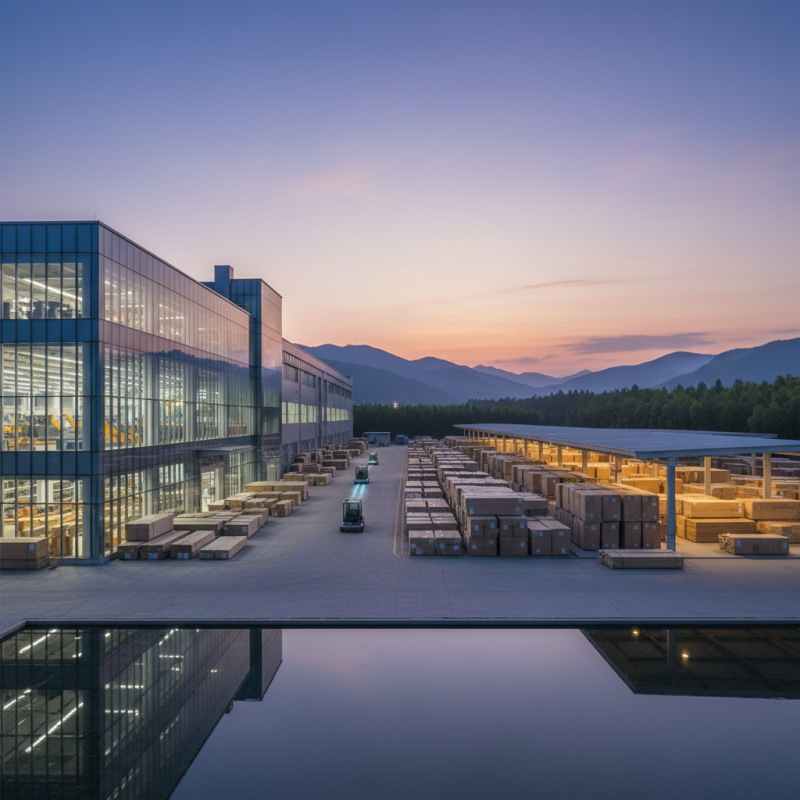
China is a global leader in plywood manufacturing, with several key regions known for their high-quality production. The most significant areas include Shandong, Jiangsu, and Guangdong. Each of these regions has unique advantages that contribute to their prominence in the industry. Shandong, for instance, boasts abundant raw materials and a skilled labor force. This combination allows factories to produce durable and aesthetically pleasing plywood.
Jiangsu specializes in advanced manufacturing techniques, enhancing efficiency and product quality. Here, modern machinery and innovative processes are vital. However, the focus on technology sometimes leads to overlooking traditional craftsmanship. Guangdong, known for its export-focused production, faces challenges in maintaining sustainable practices. The demand for plywood is high, yet environmental concerns are increasingly pressing. These regions showcase the balancing act between quality production and sustainability.
While these regions contribute significantly to global supply, challenges remain. The reliance on certain materials can lead to resource depletion. Quality control can also vary among manufacturers. Addressing these issues requires ongoing reflection and commitment to improvement. Thus, the plywood industry in China must adapt and evolve to meet both market demands and environmental responsibilities.
| Region | Production Capacity (Cubic Meters/Year) | Specialization | Key Markets |
|---|---|---|---|
| South China | 5,000,000 | Commercial Plywood | Asia, North America |
| East China | 3,500,000 | Furniture Plywood | Europe, Oceania |
| Northeast China | 4,200,000 | Decorative Plywood | Middle East, Africa |
| Central China | 2,800,000 | Film Faced Plywood | Southeast Asia, South America |
When evaluating top plywood factories in China, several criteria emerge that determine their suitability for quality global supply. A factory's commitment to sustainable sourcing is crucial. They must utilize responsibly sourced timber and implement eco-friendly processes. This reflects not only a commitment to the environment but also enhances product appeal in global markets.
Quality control is another vital aspect. Factories should adopt rigorous testing protocols for their plywood products. These include moisture content testing, structural integrity assessments, and surface finish evaluations. However, not all factories consistently meet these standards. Some may have gaps in their quality assurance processes, leading to potential issues down the line.
Workforce expertise plays a significant role as well. Skilled workers contribute to higher quality production. Training programs are essential for ensuring workers remain updated on best practices. Yet, challenges exist in maintaining a consistent level of expertise across different facilities. This inconsistency can impact overall product quality and reliability in the global supply chain. Addressing these issues can help factories better align with international standards and enhance their competitive edge.
China's plywood industry has seen substantial advancements through innovative technologies. Modern techniques enhance efficiency and quality across production lines. For instance, computer numerical control (CNC) machines have transformed woodworking processes, reducing waste and human error. Reports indicate that factories employing CNC technology can achieve a production efficiency increase of up to 30%.
Additionally, sustainable practices are becoming crucial within the industry. Utilizing eco-friendly adhesives has gained traction, aligning with global environmental standards. Evidence suggests that these adhesives can reduce volatile organic compound (VOC) emissions by up to 90%. The adoption of such methods not only meets regulatory demands but also appeals to environmentally conscious consumers.
However, challenges remain. Some factories struggle to fully integrate advanced technologies into traditional processes. A lack of skilled labor can hinder the effective implementation of these innovations. Continuous training and investment are necessary to bridge this gap. As the market evolves, these issues will require ongoing reflection and adaptation from industry leaders.
This bar chart illustrates the annual production volume of selected plywood factories in China, highlighting their significant contributions to the global plywood supply market.
The plywood industry in China faces significant export challenges and evolving trends. Over recent years, the demand for high-quality plywood has surged in global markets. However, Chinese manufacturers encounter stiff competition from other regions. Countries such as Vietnam and Indonesia are emerging as formidable players. These nations often offer lower production costs and favorable trade agreements.
Quality control remains an ongoing concern. While many Chinese factories strive to meet international standards, inconsistencies can undermine reputation. Exporters must continuously invest in advanced technology and skilled labor. This ensures that products meet diverse market demands. Regulatory pressures in importing countries also add complexity. Stricter environmental and safety regulations require ongoing adaptation from manufacturers.
Trade tensions further complicate export efforts. Tariffs and quotas can impact pricing strategies and profit margins. Additionally, fluctuating raw material costs pose risks. Manufacturers need to develop resilience against these challenges. Innovation and sustainability should be at the forefront of production strategies. This focus not only enhances competitiveness but also aligns with global consumer preferences for eco-friendly products.
China is a formidable player in the global plywood market. The country dominates production, accounting for nearly 50% of the world's plywood output. This statistic highlights China's significant influence on pricing and availability. With varied climate and abundant timber resources, Chinese factories have established themselves as key suppliers for international markets.
Emerging trends show a shift towards sustainable sourcing. Many Chinese plywood factories are adopting eco-friendly practices. This transition can enhance their competitiveness. Notably, 70% of companies in a recent study reported higher demand for certified sustainable products. Yet, challenges remain in compliance and certification processes.
Tips: Prioritize factories that demonstrate sustainability certifications. Their practices can often indicate improved quality and reliability. Consider regional production dynamics that may affect supply chains, especially in times of global uncertainty. Quality control measures from top producers often dictate the overall market quality. These factors can shape future buying decisions.
: Key regions include Shandong, Jiangsu, and Guangdong, each with its unique advantages.
Shandong has abundant raw materials and a skilled labor force, enhancing product durability and aesthetics.
Jiangsu specializes in advanced manufacturing techniques, boosting efficiency and product quality in its factories.
Guangdong is export-focused but struggles with maintaining sustainable practices amidst high demand.
CNC machines are widely utilized, enhancing efficiency and reducing waste and human error in manufacturing processes.
They help align with environmental standards and significantly reduce VOC emissions, appealing to conscious consumers.
Yes, some factories find it hard to integrate advanced technologies fully due to a lack of skilled labor.
Ongoing training and investment are necessary to address the gaps in technology and labor skills.
It must adapt to meet market demands and enhance environmental responsibilities continuously.
Quality control can vary between manufacturers, affecting overall production quality and consumer satisfaction.
China is home to some of the largest plywood factories in the world, strategically located in key manufacturing regions that contribute significantly to the country's economy and the global supply chain. These facilities are characterized by their adherence to high-quality standards and innovative production technologies, enabling them to meet international demands effectively. The adoption of modern techniques in plywood manufacturing has enhanced productivity and quality, positioning China as a leader in the global plywood market.
However, the Chinese plywood industry faces various export challenges, including fluctuating demand and competitive pressures from other countries. Key players in the market are navigating these dynamics, impacting pricing and availability on the global stage. As the industry evolves, understanding these trends and the significance of reliable plywood factories remains essential for stakeholders in the global market.

Quality