Global buyers need more than a long supplier directory. They need dependable Osb Sheathing, documented performance, and clear delivery evidence. The global oriented strand board market continues to expand, although published estimates differ by scope and methodology. Grand View Research and Fortune Business Insights both identify construction activity, housing demand, and renovation as major growth drivers. Their reports also show why regional supply conditions matter.
A practical supplier review should examine panel thickness, strand orientation, resin technology, moisture resistance, and certification. APA – The Engineered Wood Association provides technical guidance on OSB structural performance and panel standards. Buyers should compare this guidance with EN 300, PS 2, or other destination-market requirements. A supplier’s certificate alone is not enough. Check the mill, production date, test method, and batch traceability. Small details matter. A warped panel can disrupt framing crews, increase waste, and delay a shipment.
This guide evaluates ten Osb Sheathing suppliers through a buyer-focused lens. It considers manufacturing capacity, export experience, product consistency, packaging, lead times, and technical communication. Public market reports offer useful direction, but they cannot verify every factory claim. That limitation deserves attention. Some rankings may change after independent audits, sample testing, or freight-cost reviews. Therefore, treat this list as a starting point, not a final purchasing decision. Reliable procurement still requires verified documents, representative samples, and direct commercial discussions with qualified suppliers.
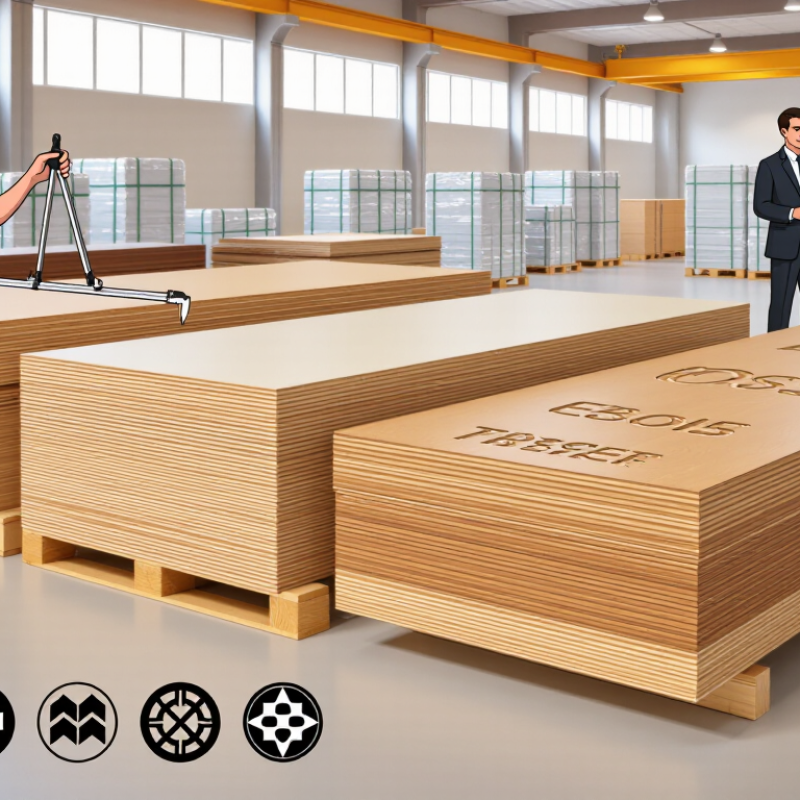
OSB sheathing is an engineered wood panel made from thin, oriented strands bonded under heat and pressure. It supports walls, roofs, and floors while providing structural strength and dimensional stability. Compared with solid timber, OSB uses smaller wood strands efficiently, creating consistent panels with predictable performance. Still, quality can vary between production lines.
Supplier selection matters because the panel must match your climate, building design, and local regulations. A reliable supplier should provide clear information about thickness, bending strength, moisture resistance, formaldehyde emissions, and applicable test standards. Packaging also deserves attention. Damaged edges, wet wrapping, or poor pallet support can reduce performance before installation. Experienced buyers request recent test reports, sample panels, factory details, and traceable batch information. I have found that documents often look convincing, but physical samples may reveal rough surfaces or uneven thickness. That uncomfortable gap deserves attention.
Tips: Ask whether the OSB grade suits interior or exterior exposure. Confirm tolerances in writing. Check loading methods and transit protection. Compare total landed cost, not only the panel price. Supplier communication is another practical test. Slow or vague replies may create larger problems during claims, scheduling, or customs clearance. No supplier is perfect. A thoughtful review should balance technical evidence, delivery reliability, production capacity, and honest risk discussion.
Global buyers should judge OSB sheathing suppliers through evidence, not attractive catalogs.
The 2024 Grand View Research report estimates steady growth in the global OSB market through 2030. This growth increases pressure on suppliers to prove capacity, consistency, and delivery control.
Request mill test reports for thickness, density, bending strength, and moisture resistance. Confirm testing against relevant standards, such as EN 13986 or ASTM D1037. A certificate alone is not enough.
Material traceability deserves equal attention.
Ask where the wood is sourced, how panels are graded, and how batches are identified. The FAO Global Forest Resources Assessment 2020 reports that forests covered about 31% of global land area. Responsible sourcing is therefore a practical supply issue, not only a marketing claim.
Check chain-of-custody documents, recycled content statements, and formal environmental declarations. Also examine loading photos, packaging details, lead times, and port experience. Real shipment records reveal more than sales promises. Still, even experienced buyers can overestimate forecast accuracy.
Compare at least three suppliers using the same specification sheet. Order samples from different production batches. Test edge swelling after controlled moisture exposure. Ask for a corrective-action report when results fail. Review payment terms, insurance, and inspection rights before shipment.
A low unit price may hide higher damage, storage, or replacement costs. Keep one independent laboratory involved when the order is large. Perfect supplier scoring is unrealistic; documented weaknesses are easier to manage than invisible ones.
For international buyers, selecting among 10 leading OSB sheathing suppliers requires more than comparing prices. Product consistency, export experience, and technical documentation matter equally. FAO’s 2023 Forestry Production and Trade Yearbook reported global wood-based panel production above 400 million cubic metres in 2022. This scale creates choice, but also uneven quality.
Reliable suppliers should provide OSB grades, thickness tolerances, density data, and formaldehyde emission results. Check compliance with EN 13986, applicable building codes, or equivalent national standards. For exterior projects, examine swelling performance after moisture exposure. A practical test is simple: compare edge expansion after 24 hours in water. It reveals weaknesses quickly. Shipment records also deserve attention. Ask about pallet wrapping, container loading photos, production dates, and replacement procedures for damaged boards. The UNECE/FAO Forest Products Annual Market Review 2023-2024 highlighted continued pressure from construction demand, energy costs, and logistics. Those pressures can affect delivery promises.
Tips: Request samples before signing a volume contract. Measure thickness at several points. Confirm whether quoted prices include export packing and documentation. Do not trust a polished catalog alone. Some suppliers offer attractive specifications but provide incomplete test evidence. That is a warning sign. A factory audit, even through an independent inspection agency, may prevent an expensive mistake. Also compare lead times during winter or holiday shutdowns. The cheapest board is not always the lowest-cost choice.
Global OSB sourcing should begin with delivered performance, not the lowest factory quote. FAO’s 2023 forest-products review recorded roughly 390 million cubic metres of wood-based panel production in 2022. That scale creates choice, but also uneven quality. Ask suppliers for recent test reports covering thickness tolerance, bending strength, swelling, and formaldehyde emissions. EN 300 grades help compare structural performance. EN 13986 supports construction use in Europe. CE marking matters, but it does not replace independent test evidence.
Certification needs careful checking. FSC or PEFC chain-of-custody documents support responsible fibre sourcing, while ISO 9001 indicates controlled production systems. Neither certificate proves every board is suitable for roofing or flooring. Request batch numbers, factory test dates, and photographs of pallet wrapping. A damp container corner can ruin otherwise acceptable panels. I have seen buyers compare prices before checking moisture protection. That order is risky.
Price comparisons should include thickness, grade, packaging, port charges, insurance, and inland delivery. A cheaper 11-millimetre panel may fail a project needing 15 millimetres. Compare the cost per usable square metre, not only the price per sheet. Delivery promises also need evidence. Request production capacity, minimum order quantity, loading photos, and a realistic lead-time range. The World Bank’s Logistics Performance Index shows that international delivery reliability varies widely between markets. Allow buffer time. It feels inefficient, but weather, port congestion, and customs checks can change a schedule quickly.
Choosing the best OSB supplier requires more than comparing prices on a spreadsheet. I have seen low-cost panels create expensive delays when moisture protection was weak. Ask for the panel’s grade, thickness tolerance, formaldehyde class, and intended application. Structural roof panels need different performance from interior sheathing. The paperwork matters.
Request recent test reports from an independent laboratory. Check bending strength, bonding quality, swelling results, and production dates. A reliable supplier should explain which standards guide its manufacturing. Do not accept vague claims such as “premium quality.” Ask for samples from the current production line. Compare edge profiles, surface consistency, and panel weight by hand. Small differences can reveal uneven pressing.
Supply experience matters as much as factory capability. Confirm monthly capacity, minimum order quantities, packaging methods, and loading plans. Panels should arrive protected from rain, with stable stacking and clear labels. Ask how claims are handled when cartons arrive damaged. Slow answers are warning signs. Still, no checklist is perfect. I once focused heavily on technical documents and overlooked a supplier’s weak communication during shipping. That mistake changed my evaluation process. I now test response times, clarify delivery terms, and request written confirmation for every critical specification. A supplier who welcomes detailed questions is usually easier to trust when the project becomes complicated.
Compare delivered performance, not only the factory quote. Check grade, thickness, strength, swelling, emissions, packaging, freight, insurance, and inland delivery.
Request recent independent test reports, batch numbers, factory test dates, and written product specifications. Vague claims are not enough.
A thinner panel may cost less but fail the project requirements. Compare usable performance, not just the price per sheet.
Request samples from current production. Inspect edge profiles, surface consistency, panel weight, and bonding quality by hand.
Verify responsible-fibre documents and production-system certificates directly. A certificate does not prove every board suits roofing or flooring.
It is critical. Check pallet wrapping, loading photos, stable stacking, and protection from rain. One damp container corner can damage many panels.
Ask about monthly capacity, minimum order quantity, loading plans, and lead-time ranges. Keep extra time for weather, ports, and customs checks.
Slow replies, unclear specifications, missing test dates, and weak damage-claim procedures are warning signs. Still, no checklist is perfect.
Yes. Ask detailed questions and request written confirmation for critical specifications. I once trusted technical documents too much and overlooked weak shipping communication.
Calculate the cost per usable square metre. Include thickness, grade, packaging, port fees, insurance, inland delivery, and possible replacement costs.
Choosing the right Osb Sheathing supplier is essential for ensuring structural performance, project efficiency, and long-term value in international construction. This guide explains what Osb Sheathing is, how it supports walls, roofs, and floors, and why supplier selection matters for quality consistency, technical support, and dependable delivery. It outlines key evaluation criteria, including panel strength, moisture resistance, thickness options, manufacturing standards, environmental certifications, production capacity, packaging, export experience, and communication reliability.
The article presents ten types of leading suppliers suitable for global buyers without focusing on specific brand names. It compares product quality, certification coverage, pricing factors, minimum order quantities, lead times, and shipping capabilities. Buyers will also learn how to match supplier strengths with project requirements, assess documentation, request samples, verify production capabilities, and negotiate practical purchasing terms. By following this structured approach, contractors, distributors, and developers can select a dependable Osb Sheathing partner that balances performance, compliance, cost, and delivery reliability.

Quality