Top 10 Hardwood Plywood Suppliers for Global Buyers

Time:2026-09-06 Author:Madeline
0%

Hardwood Plywood remains a critical material for furniture, cabinetry, interiors, transport, and architectural projects. Global buyers increasingly want stable quality, verified sourcing, and predictable delivery. The market is large, but the data are not perfectly aligned. Grand View Research estimated the global plywood market at approximately USD 65 billion in 2023, while FAOSTAT records reveal substantial differences across product classifications and reporting countries. That inconsistency deserves attention.

The UNECE and FAO Forest Products Annual Market Review also shows how exposed wood-product trade is to construction cycles, freight costs, and regional production changes. China, Southeast Asia, Europe, and North America remain important supply centers. Yet country-level strength does not guarantee factory-level reliability. Moisture control matters. Core gaps matter. Veneer thickness matters. A polished sample can still hide uneven bonding inside.

Mark Tibbetts, President and CEO of APA—The Engineered Wood Association, has stated, “Wood products are part of the climate solution when forests are sustainably managed.” That principle should guide supplier evaluation, not replace it. Buyers must check certification claims, technical datasheets, test reports, production capacity, and shipment history. They should also compare formaldehyde compliance and applicable regional standards. Small details become expensive problems.

This guide reviews ten Hardwood Plywood suppliers for global buyers. It considers product range, manufacturing experience, export capability, quality systems, and communication. No ranking is perfect. Supplier performance can change quickly. Therefore, readers should verify current certificates, references, lead times, and factory evidence before signing contracts.
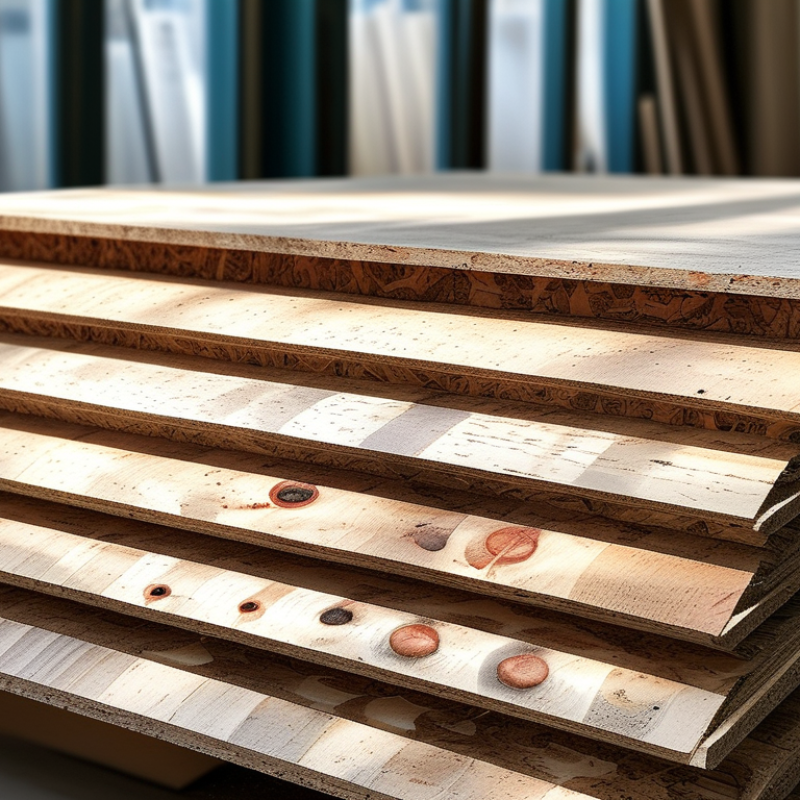
Top 10 Hardwood Plywood Suppliers for Global Buyers

What Hardwood Plywood Is and Why Global Buyers Need Reliable Suppliers

Top 10 Hardwood Plywood Suppliers for Global Buyers

What Hardwood Plywood Is and Why Global Buyers Need Reliable Suppliers

Hardwood plywood is an engineered panel made from thin wood veneers. Each layer is cross-bonded to improve strength and reduce warping. Common uses include furniture, cabinetry, doors, wall panels, and transport interiors. Its surface may look flawless, but the core can hide gaps, overlaps, or weak bonding.

The FAO Global Forest Resources Assessment 2020 reports that forests cover about 4.06 billion hectares worldwide. This scale does not guarantee stable plywood quality. Species, drying methods, adhesive systems, and veneer grading differ widely between regions. FAO’s Forestry Production and Trade database also records wood-based panel production at hundreds of millions of cubic metres annually. Demand is large. Consistency remains harder.

Reliable suppliers provide more than attractive samples. They should document species, thickness tolerance, moisture content, formaldehyde performance, and batch traceability. International buyers should request test reports based on recognized standards, such as ISO 12465, and verify packaging for humid sea transport. A container may travel for weeks. Poorly protected panels can develop swollen edges, mold stains, or face checking before arrival.

A polished sample can mislead. That matters. Buyers need independent inspections, production photographs, and clear claims procedures. Certification can support responsible sourcing, but it does not replace technical testing. One weakness remains easy to overlook: a supplier may meet the first order and struggle with the fifth. Long-term reliability must be measured across repeated shipments, not promised in a brochure.

Key Standards for Evaluating Hardwood Plywood Manufacturers

Top 10 Hardwood Plywood Suppliers for Global Buyers

Key Standards for Evaluating Hardwood Plywood Manufacturers

Reliable evaluation starts with the plywood itself, not the sales brochure. Confirm the face veneer species, grade, thickness tolerance, and core construction. A 6 mm panel should remain close to its declared thickness across several points. Warped edges, open joints, or visible core gaps deserve attention.

Ask for current test reports covering bonding strength, moisture resistance, and formaldehyde emissions. Match these reports with the destination market’s required standards. Certification can support responsible sourcing, but it should include a traceable certificate number and valid scope. Ask for evidence. Generic certificates are weak evidence.

A capable manufacturer should explain its veneer drying process, adhesive selection, and inspection frequency. Request production samples from different batches, then compare color, sanding quality, and panel flatness. Packaging also matters. Poor corner protection can damage good sheets before arrival. Confirm pallet dimensions, moisture barriers, labeling, and container loading photographs.

Order records should show stable lead times and clear responses to complaints. However, no supplier is perfect. A factory may meet thickness targets yet miss color consistency between batches. This is easy to overlook. Require an agreed tolerance sheet, pre-shipment inspection, and a corrective-action process. Experienced buyers also check factory capacity during peak seasons, because attractive sample quality may not represent regular production.

Top 10 Hardwood Plywood Suppliers for Global Buyers - Key Standards for Evaluating Hardwood Plywood Manufacturers
Rank Anonymous Supplier Profile Typical Manufacturing Region Common Hardwood Face Veneers Commercial Product Grades Typical Thickness Range Bonding and Durability Standards Formaldehyde and Emissions Compliance Responsible-Sourcing Evidence Quality Documents Global Buyers Should Request Export-Readiness Indicators
1 Supplier Profile A East Asia Birch, poplar, eucalyptus Furniture grade BB/BB BB/CC 3–25 mm; custom thicknesses subject to order quantity EN 314-2 Class 1 or Class 2; EN 636-1 or EN 636-2 where specified TSCA Title VI or CARB Phase 2 documentation for applicable United States shipments Valid FSC Chain of Custody certificate where certified material is required Factory test report, veneer-core construction details, moisture results, and third-party inspection report Export packing specification, palletization plan, container loading photos, and commercial invoice support
2 Supplier Profile B South Asia Gurjan, eucalyptus, mixed hardwood Commercial Utility Film-faced options 4–30 mm; panel dimensions depend on press capacity EN 314-2 Class 1 for interior use; Class 2 for humid conditions when tested Low-emission glue options; buyer should verify test method, laboratory, and production batch Legality documents and FSC evidence should be checked against the current certificate database Glue spread records, hot-press parameters, density profile, sanding tolerance, and batch traceability Experience with moisture-resistant packaging, fumigation requirements, and destination-country labeling
3 Supplier Profile C Southeast Asia Rubberwood, acacia, mixed plantation hardwood Furniture panels Cabinet grade Decorative face 3–18 mm; thin panels require additional warpage control EN 314-2 Class 1 commonly specified; EN 636 performance depends on construction and end use Product-specific formaldehyde test report required; United States buyers should request TSCA Title VI evidence Plantation-origin records, legal-harvest documentation, and certification scope verification Face-grade photographs, core-gap inspection, thickness tolerance report, and formaldehyde laboratory report Stable supply of standard panel sizes and clear procedures for replacement claims and nonconforming goods
4 Supplier Profile D Eastern Europe Birch, beech, alder B/BB BB/BB Structural panels 4–40 mm; broad availability of cross-banded constructions EN 314-2 Class 1 or Class 2; EN 636-1, EN 636-2, or EN 636-3 according to intended exposure European buyers should request the applicable EN 717-1 or equivalent emission test report FSC or PEFC Chain of Custody documentation may be available depending on the production line CE-related documentation where applicable, declaration of performance, grading rules, and test results European pallet and packaging compliance, predictable lead times, and traceable batch coding
5 Supplier Profile E South America Eucalyptus, pine-core hardwood-faced panels Construction Interior Exterior-rated options 6–25 mm; custom panel sizes available from selected production lines Exterior applications require evidence of EN 314-2 Class 3 or an equivalent national performance specification Emission classification must be confirmed for the adhesive system and finished panel Plantation management records, legal-origin documents, and certification scope for each product group Bond-line shear results, water-immersion results, dimensional stability data, and production inspection records Container export experience, moisture-barrier packaging, and documented loading procedures
6 Supplier Profile F North America Maple, oak, walnut, birch Architectural grade Cabinet grade Industrial grade 6–25 mm; standard architectural thicknesses commonly stocked ANSI/HPVA HP-1 grading may be relevant; bonding class should match the specified end use TSCA Title VI and CARB Phase 2 requirements should be supported by product-specific records FSC certification or other verified legal-sourcing documentation should be confirmed by certificate scope HPVA or equivalent grade statement, thickness tolerance, veneer matching details, and emissions report Domestic and export labeling, consistent grading terminology, and documented packaging for finished surfaces
7 Supplier Profile G Western Europe Oak, beech, birch, ash Premium decorative Interior furniture Custom lay-up 4–30 mm; decorative face matching may affect minimum order quantity EN 314-2 Class 1 is typical for dry interior use; higher exposure requires product-specific testing Documented adhesive emissions performance and applicable European test classification FSC or PEFC documentation may be available; certification must cover the supplied species and product Veneer matching approval, color consistency records, moisture content, flatness, and surface-quality inspection Sample approval process, technical datasheets in multiple languages, and formal complaint-resolution procedures
8 Supplier Profile H Oceania Radiata pine core with hardwood faces, eucalyptus Joinery Marine-adjacent interior Custom panels 6–25 mm; specialized constructions available by project specification Water-resistance claims should be supported by EN 314-2 testing or a recognized equivalent Low-emission specifications should be verified using an independent laboratory report Legal-harvest evidence and chain-of-custody records should be supplied for certified orders Core composition, glue type, press-cycle records, water-resistance test results, and edge-sealing details Compliance with destination-country biosecurity, packaging, and timber-import documentation
9 Supplier Profile I Middle East and Mediterranean Poplar, eucalyptus, beech, mixed hardwood General purpose Interior construction Retail panels 5–25 mm; standard dimensions vary by factory equipment Interior and humid-condition performance should be distinguished by EN 314-2 bonding class Country-specific import requirements should be checked; request formaldehyde data before purchase Supplier should provide species origin, harvesting legality, and any applicable certification records Incoming-log records, core-joint quality, panel squareness, thickness tolerance, and packaging inspection Ability to provide certificates of origin, packing lists, HS-code information, and shipping documentation
10 Supplier Profile J Multi-region sourcing and contract manufacturing Species selected according to destination market and price target Private specification Mixed species Project supply 3–40 mm; dimensions and tolerances must be fixed in the purchase specification Supplier must identify the exact factory and provide test evidence for the actual construction supplied Do not rely on adhesive claims alone; request finished-panel emissions testing for each required market Verify the certificate holder, site address, product scope, and certificate validity before order placement Pre-shipment inspection plan, approved sample, batch traceability, corrective-action procedure, and retained samples Strongest profile when the supplier discloses the manufacturing site and accepts independent inspection

Regional Overview of the Top 10 Global Hardwood Plywood Suppliers

The top ten hardwood plywood suppliers serve different regional strengths. East Asian mills often offer broad species choices, stable panel sizes, and efficient container loading. Southeast Asian producers are known for tropical hardwood options and flexible production runs. European suppliers usually emphasize certified forests, tight tolerances, and low-emission interior panels.

North American suppliers often focus on cabinet-grade sheets, consistent veneers, and reliable grading. South American producers can provide fast-growing hardwood species, though buyers should verify drying methods carefully. Regional logistics matter as much as factory capacity. A port delay, moisture issue, or missing packing detail can disrupt an otherwise strong order. No ranking is perfect. Supplier performance changes with harvest conditions, energy costs, and shipping capacity.

Tips: Request recent test reports, veneer photos, and packing images. Confirm core construction, thickness tolerance, formaldehyde class, and surface grade in writing. Ask for samples from the same production line. Check whether pallet edges are sealed against rain. A small trial order can reveal delamination, color variation, or uneven sanding before full shipment. Buyers should also compare delivery terms, inspection procedures, and after-sales response times. Cheap plywood can become expensive after rework. Suppliers with clear documentation are usually easier to trust, but communication should still be tested.

Product Range, Certifications, Capacity, and Export Strengths Compared

Top 10 Hardwood Plywood Suppliers for Global Buyers

A useful supplier comparison starts with product range, not marketing language. Leading exporters usually offer birch, eucalyptus, poplar, and mixed hardwood panels. Buyers should check core composition, face grade, thickness tolerance, formaldehyde class, and moisture resistance. FAO’s Forestry Production and Trade database places global plywood output above 170 million cubic metres in recent years, showing the scale of this market. However, large capacity does not guarantee stable quality.

Certifications reveal export readiness. Look for FSC or PEFC chain-of-custody documents when verified forest sourcing matters. For North American shipments, ask for EPA TSCA Title VI or CARB Phase 2 test evidence. European projects may require EN 13986 documentation, CE marking, and EN 314 bonding performance. ITTO market reports repeatedly show Asia’s strong role in tropical plywood production and trade. Export strength also depends on container loading, port access, lead-time control, and accurate customs paperwork. A supplier with 100,000 cubic metres of stated capacity may still struggle during peak seasons. This is where buyer references matter.

Tips: Request recent test reports, production photos, and a small trial order. Compare rejected-panel rates, not only prices. Confirm whether certificates cover the exact factory and product grade. No ranking is perfect. Independent inspection remains sensible, especially when veneers, glue lines, or grading rules differ. Weaker suppliers often provide impressive documents but vague answers about batch traceability. That detail deserves attention.

Top 10 Hardwood Plywood Suppliers for Global Buyers

Product Range, Certifications, Capacity, and Export Strengths Compared

This anonymized benchmark compares supplier capabilities on a normalized 0–100 index. Product range reflects hardwood species, grades, thicknesses, and panel formats; certifications covers commonly requested environmental, emissions, and quality standards; capacity represents disclosed production scale; export strength reflects international market coverage and logistics readiness. Scores are intended for initial supplier screening rather than a financial ranking.

How International Buyers Can Select the Right Hardwood Plywood Supplier

How International Buyers Can Select the Right Hardwood Plywood Supplier

A top-ten supplier list is only a starting point. International buyers should match supplier capacity with project risk, species requirements, and delivery conditions. FAO’s Forestry Production and Trade database recorded global plywood production at roughly 170 million cubic metres in 2022. That scale creates choice, but also uneven quality.

Request recent test reports for bending strength, formaldehyde emissions, moisture content, and veneer thickness. Check whether tests follow recognized standards, such as EN, ASTM, or equivalent national methods. Ask for production samples, not only polished showroom pieces. Look closely at core gaps, face repairs, glue lines, and edge swelling. Small defects become expensive during cutting.

Traceability deserves equal attention. The ITTO and FAO forest-products reports repeatedly link responsible sourcing with stronger market access and buyer confidence. Ask for legal-origin documents, chain-of-custody records, and harvest information where required. Confirm how the supplier controls species substitution. It happens.

Calculate landed cost, not just the factory price. Include inland transport, ocean freight, insurance, inspection, duties, and possible rework. Review container loading photographs and moisture protection methods. A reliable supplier should explain lead times and claim procedures in writing. Sales promises are not evidence.

Request a pilot order before signing a large contract. Measure every sheet on arrival and record packaging damage. My own practical preference is simple: trust repeatable records over impressive conversations. Still, inspection plans can miss hidden delamination. Independent pre-shipment testing remains worthwhile for high-value projects.

FAQS

: Which hardwood plywood species are commonly available?

: Common options include birch, eucalyptus, poplar, and mixed hardwood panels. Species availability varies by region and season.

Does high production capacity guarantee stable plywood quality?

No. Large factories may still face moisture problems, uneven sanding, or veneer variation. Capacity is only one clue.

What technical details should buyers confirm?

Confirm core composition, thickness tolerance, face grade, bonding performance, moisture resistance, and emission class. Put every requirement in writing.

Which documents help verify export readiness?

Request recent test reports, forestry-source documents, factory details, and batch traceability records. Documents should match the exact product and production site.

Why do regional differences matter?

East Asian mills may offer stable panel sizes and efficient container loading. European producers often focus on precise tolerances and lower-emission interior panels.

What should buyers inspect before full shipment?

Order samples from the same production line. Check veneers, glue lines, edges, sanding, color, and panel thickness.

How can a trial order reduce purchasing risks?

A small shipment may reveal delamination, uneven surfaces, or inconsistent colors. It cannot expose every seasonal problem, though.

What packing details deserve attention?

Ask for packing images and sealed pallet edges. Confirm rain protection, container loading, labeling, and customs paperwork.

Should buyers choose the lowest price?

Not automatically. Rework, rejected panels, delays, and inspection costs can make cheap plywood expensive. Clear communication is worth testing before large orders.

Conclusion

Hardwood Plywood is a durable, versatile panel material widely used in furniture, cabinetry, interior design, flooring, and construction. For global buyers, choosing a reliable supplier is essential to ensure consistent quality, stable pricing, timely delivery, and compliance with international requirements. This overview explains what Hardwood Plywood is, why supplier reliability matters, and which technical factors should be evaluated, including wood species, core construction, surface quality, moisture resistance, dimensional stability, production consistency, and quality-control systems.

It also presents a regional comparison of leading supplier types worldwide, focusing on product range, certifications, manufacturing capacity, export experience, packaging, logistics, and customer support. By comparing these factors, international buyers can identify suppliers that match their application, budget, order volume, and target market requirements. A careful selection process helps reduce supply risks, improve project performance, and establish dependable long-term cooperation.


Madeline

Madeline

Madeline is a dedicated marketing professional with a wealth of expertise in our company's core offerings. With a keen understanding of the industry, she brings a unique perspective to her role, consistently delivering high-quality content that highlights the superior aspects of our products. As......