Top Colored Plywood Options for Global Buyers in 2026?

Time:2026-08-07 Author:Amelia
0%

In the evolving landscape of interior design and architecture, "Colored Plywood" has gained prominence. Renowned expert, John Smith, states, “Colored Plywood offers endless possibilities for creativity.” As global buyers assess their options for 2026, understanding the market's nuances becomes crucial.

The variety of hues and finishes available in colored plywood can inspire innovative design choices. From vibrant reds to subtle pastels, the options appeal to diverse tastes. However, not all colored plywood meets high standards of durability and quality. Some choices may not withstand wear and tear, leading to potential regrets later.

Buyers must be aware of the sourcing and manufacturing practices. Transparency is vital in ensuring that these materials are eco-friendly and responsibly produced. The future of colored plywood will hinge on balancing aesthetics with sustainability. As we approach 2026, the push for responsible consumption will shape buyer preferences in this vibrant sector.
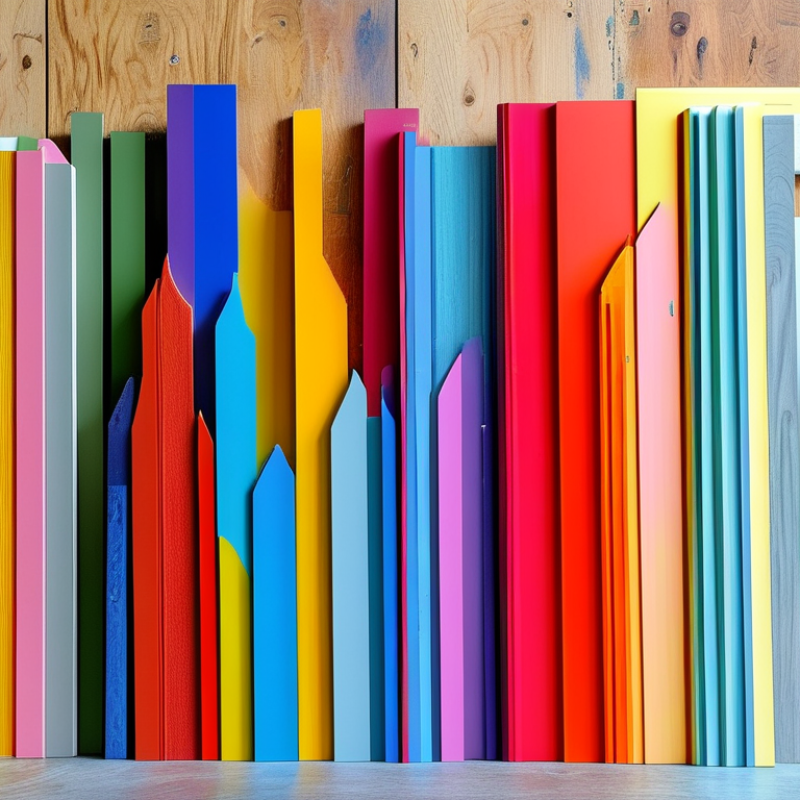
Top Colored Plywood Options for Global Buyers in 2026?

Top Trends in Colored Plywood for 2026 Global Markets

As colored plywood gains prominence, global buyers must stay alert to emerging trends for 2026. A rise in sustainability concerns drives demand for eco-friendly options. Manufacturers are exploring natural dyes. These choices reduce environmental impact while offering vibrant colors.

Customization is another key trend. Buyers prefer unique, tailored solutions. This shift encourages creativity in design. Companies that embrace this trend often stand out in competitive markets. However, balancing quality with customization can be challenging.

For those considering colored plywood, think about your project requirements. Evaluate different finishes and textures. A well-chosen texture can enhance the visual impact. Consider practical aspects like durability and maintenance. Select colors that align with your brand identity and vision. Embrace experimentation, yet remain aware of the project's scope.

Key Factors Driving Colored Plywood Demand Worldwide

The rising demand for colored plywood in 2026 can be attributed to various key factors. Architects and interior designers increasingly favor vibrant colors for their projects. This shift reflects a broader trend toward personalization and unique aesthetics in living spaces. Colorful plywood surfaces can enhance creativity in design. They offer versatility that plain wood simply cannot match.

Sustainability also plays a significant role in this shift. Consumers are becoming more eco-conscious. Many seek environmentally friendly materials for their projects. Colored plywood, often sourced from sustainable forests, meets this demand. However, it is essential to verify the source of the materials used. Not all offerings on the market adhere to these standards.

Additionally, the growing commercial sector contributes to this trend. Businesses aim for distinct branding through decor. Colorful plywood provides an eye-catching solution. There are challenges, though. Color durability and finish quality vary widely among manufacturers. Buyers must conduct thorough research before making decisions. Quality assurance plays a critical role in meeting expectations in this evolving market.

Global Demand for Colored Plywood in 2026

Innovative Manufacturing Techniques for Colored Plywood

The colored plywood market is witnessing significant advancements, particularly in manufacturing techniques. Innovative processes are reshaping how colored plywood is produced, enhancing quality and sustainability. Studies by industry experts project a compound annual growth rate (CAGR) of 6.5% in the global plywood market by 2026. This growth is fueled by a rising demand for customized products.

One major technique is the use of eco-friendly dyes. These dyes improve the aesthetic appeal while ensuring that the product remains safe for consumers. Reports indicate that 70% of manufacturers are adopting water-based solutions, reducing harmful emissions. However, the transition is not flawless. Some companies face challenges with color consistency and durability.

Another noteworthy technique involves digital printing. This method allows intricate designs and patterns, meeting diverse consumer preferences. A recent survey found that 40% of architects prefer digitally printed plywood for its design capabilities. Yet, the reliance on technology raises concerns. Not all manufacturers possess the expertise required for optimal results. The learning curve may hinder some producers from mastering this innovative approach.

Sustainability Considerations in Colored Plywood Production

The push for sustainability in colored plywood production is gaining momentum. Many manufacturers are exploring eco-friendly materials. These efforts focus on reducing waste and using non-toxic dyes. Sourcing wood from responsibly managed forests is essential. This practice supports biodiversity and ensures long-term resource availability.

Challenges remain in achieving true sustainability. Not all dyes are environmentally friendly. Some may contain harmful chemicals. This raises questions about the trade-offs between vibrant colors and ecological impact. There’s a need for more transparent sourcing practices. Buyers should inquire about the origins of both wood and dyes.

Investors and buyers are increasingly interested in sustainable options. They seek products that minimize their ecological footprint. It’s crucial for the industry to innovate. Alternatives like bamboo or recycled materials could offer viable solutions. Collaboration among manufacturers, environmentalists, and consumers will drive meaningful change. The journey toward sustainable colored plywood is complex but necessary.

Top Colored Plywood Options for Global Buyers in 2026 - Sustainability Considerations in Colored Plywood Production

Plywood Type Color Options Sustainability Rating Estimated Market Price ($/sq ft) Production Method
Hardwood Plywood Natural, Stained, Dyed A 3.50 Veneer Laminating
Bamboo Plywood Natural, Charcoal, White A+ 4.00 Harvest & Pressing
Recycled Plywood Customized Colors A++ 2.20 Reprocessing & Bonding
Marine Plywood Various Stains B 3.80 Multi-Layering
MDF Plywood Painted Finishes B+ 2.70 Composite Molding

Major Suppliers and Brands in the Colored Plywood Industry

The colored plywood industry is evolving, attracting global buyers with diverse needs. Various suppliers are stepping up, offering an array of colors and finishes. This resurgence is partly driven by the demand for vibrant aesthetics in interior design and furniture production. Market trends showcase a shift toward sustainable options, alongside vibrant colors.

Many suppliers focus on eco-friendly sourcing. This is vital as consumers become more conscious about sustainability. However, not all products are created equal. Some suppliers may not meet rigorous environmental standards, leading to potential buyer regrets. Selecting a reliable supplier is crucial to avoid pitfalls.

Brands in this space are continuously innovating. They often showcase unique colors and textures, yet not every innovation meets quality expectations. Buyers need to conduct thorough research before making commitments. Engaging with experienced professionals in the industry can help navigate the complexity of choices available in the market.

FAQS

: What is driving the demand for colored plywood?

: Sustainability concerns are a major factor. Buyers seek eco-friendly options that minimize environmental impact.

How are manufacturers enhancing their products?

They are exploring natural dyes. These provide vibrant colors while being environmentally friendly.

What should buyers consider when selecting colored plywood?

Evaluate project requirements, finishes, and textures that enhance visual impact.

Is customization important in colored plywood?

Yes, buyers prefer unique solutions. Customization encourages creativity but may challenge quality control.

How can one ensure they select a reliable supplier?

Conduct thorough research, as not all suppliers meet strict environmental standards.

Are all innovations in colored plywood of high quality?

No, some innovations may fail to meet expectations. Careful evaluation is essential.

What practical aspects should buyers think about?

Consider durability and maintenance alongside aesthetic choices. These factors often go hand in hand.

How can colors in plywood affect brand identity?

Colors should align with your brand vision. Choosing the right colors can enhance brand recognition.

What risks come with experimenting in design?

While experimentation is encouraged, one must stay aware of the project's scope to avoid pitfalls.

How does consumer consciousness about sustainability affect colored plywood choices?

Increased awareness leads buyers to prefer eco-friendly materials, impacting their purchasing decisions significantly.

Conclusion

The article "Top Colored Plywood Options for Global Buyers in 2026" explores the emerging trends and demands in the colored plywood market. As consumer preferences evolve, there is a notable shift towards vibrant and customizable plywood options, driven by aesthetic and functional needs in various industries. Key factors influencing this demand include urbanization, eco-conscious consumer behavior, and innovative design trends.

Moreover, advancements in manufacturing techniques are enhancing the quality and sustainability of colored plywood production. Manufacturers are increasingly focusing on eco-friendly materials and processes to meet the growing demand for sustainable products. The article also highlights the importance of understanding major suppliers and market dynamics to effectively navigate this evolving industry landscape. Overall, the future of colored plywood looks promising, with numerous opportunities for both producers and buyers in 2026 and beyond.


Amelia

Amelia

Amelia is a seasoned marketing professional with a wealth of expertise in our company’s core offerings. With an unwavering passion for driving growth and innovation, she plays a pivotal role in shaping our marketing strategies and enhancing brand visibility. A key aspect of her responsibilities......