The plywood industry plays a crucial role in global trade. As the demand for high-quality plywood rises, identifying the right suppliers becomes essential. In this domain, experts like David Chen, a veteran in the plywood manufacturing sector, emphasize the importance of reliability and quality. He stated, “Choosing a reputable plywood factory is key to ensuring product excellence.”
Navigating the landscape of plywood factories can be challenging. Not all manufacturers maintain the same standards. Buyers must consider several factors when selecting suppliers. These include material quality, production processes, and delivery timelines. A reliable plywood factory can significantly impact a project’s success.
However, not every factory meets these criteria. Some may promise high quality but fail to deliver. It’s vital for buyers to conduct thorough research. Verifying credentials and seeking reviews can provide insight into a factory’s reputation. Partnerships built on trust with a plywood factory are essential for sustainable business growth.
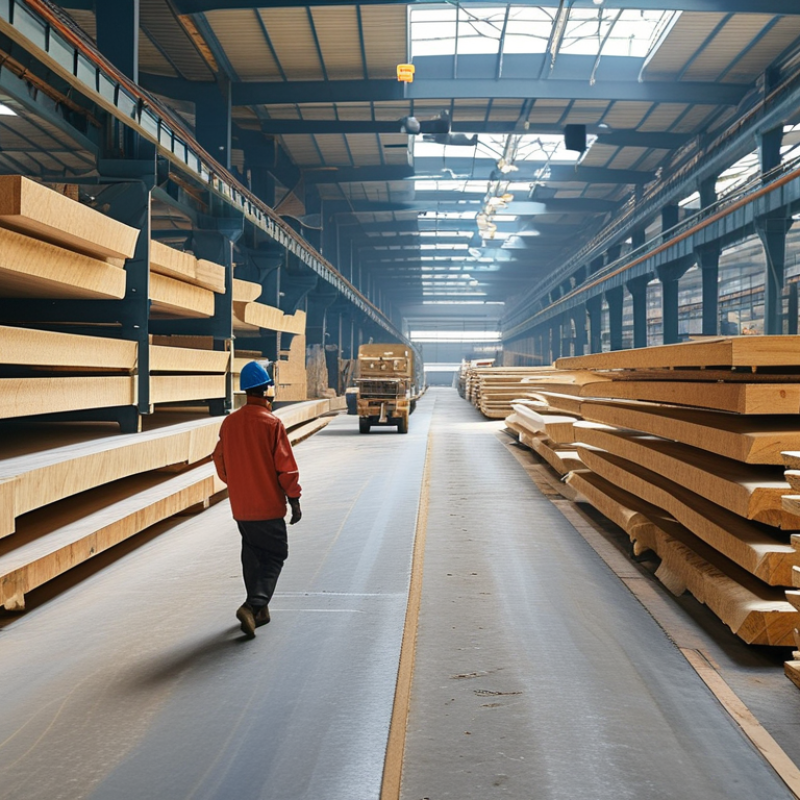
China's plywood industry is pivotal on the global stage. It is a sector that exhibits both strength and challenges. The country dominates plywood production, leading in both volume and diversity. This growth supports construction, furniture-making, and interior design globally. However, quality fluctuations can pose issues. Buyers need to navigate carefully through this landscape.
Chinese manufacturers focus on innovation and sustainability. They are increasingly adopting eco-friendly practices. Certifications play a crucial role in ensuring reliability. However, not all factories maintain consistent standards. This inconsistency can lead to frustrations for international buyers. Market research is essential for understanding suppliers' capabilities.
The sheer volume of China's plywood output impacts global supply chains. Many countries depend on Chinese products for their construction needs. While this dependency fosters economic growth, it also raises questions about long-term sustainability. A balance between supply and environmental responsibility is vital. Consequently, buyers must assess the long-term implications of their sourcing decisions.
When seeking a plywood factory in China, certain key features can greatly influence your choice. Quality control is paramount. Most top factories implement advanced inspection processes. These include both raw material checks and product sampling. According to a recent industry report, up to 25% of plywood products fail to meet international quality standards. This highlights the importance of choosing a reliable factory.
Production capacity is another critical factor. Many buyers overlook this aspect. A factory’s ability to meet large orders consistently matters. Some reputable factories can produce over 2 million square meters of plywood monthly. Yet, this does not guarantee timely delivery. Inconsistencies in production schedules can lead to delays.
Tip: Always request a small sample order before committing to larger quantities. This allows you to gauge quality and service.
Sustainability practices are also becoming essential. Many global buyers prefer eco-friendly options. Factories adopting sustainable methods could enhance their reputation and attract more clients. However, transparency in sustainability claims can be lacking. Buyers must dig deeper to ensure compliance with environmental standards. Understanding certifications like FSC can provide additional confidence in your choice.
| Feature | Description |
|---|---|
| Production Capacity | Annual output of plywood sheets in thousands of cubic meters |
| Certification | ISO 9001, CARB, and other relevant quality certifications |
| Material Sourcing | Types of wood used, sustainability practices, and sourcing locations |
| Production Technology | Advanced machinery used in manufacturing, including CNC and automated lines |
| Customization Options | Availability of custom sizes, finishes, and specifications |
| Lead Time | Typical time required for order fulfillment from confirmation to delivery |
| Shipping Options | Methods of shipping, including FCL, LCL, and air freight availability |
| Customer Support | Availability of support services, including language options and response times |
| Minimum Order Quantity | Lowest quantity that can be ordered without a penalty |
| Price Range | General price range per cubic meter based on specifications |
China has become a hub for plywood manufacturing, offering a wide range of products and services suitable for global buyers. The industry report from Statista indicates that the country's plywood production capacity exceeds 45 million cubic meters annually. This vast output showcases the scale and capability of Chinese factories. They often employ advanced technology and sustainable practices to meet international standards.
A key factor in choosing a plywood supplier is their product variety. Many factories now provide specialized products, such as marine-grade plywood and decorative panels. According to industry experts, around 30% of manufacturers in China focus on high-quality, eco-friendly materials. However, buyers must remain vigilant. Not all factories hold the necessary certifications, which can impact product reliability. A thorough evaluation of compliance and quality standards is essential.
Furthermore, customer service varies significantly among suppliers. While some prioritize responsive communication and efficient logistics, others may lack in these areas. A survey found that only 60% of buyers felt satisfied with their suppliers' service levels. Prospective clients should engage with multiple factories to gauge their reliability and commitment to quality. Understanding these dynamics can lead to better purchasing decisions in the competitive plywood market.
In the ever-evolving plywood manufacturing sector, quality control stands as a cornerstone. Many factories in China strive for excellence, yet not all meet the same quality benchmarks. Effective quality control begins with raw materials. Sourcing high-quality wood is essential. It needs rigorous inspection before production.
During the manufacturing process, adherence to industry standards is critical. Factories typically implement multiple checkpoints. These checkpoints ensure that each step meets specifications. However, inconsistencies often arise. Some workers may overlook details, leading to defects. Regular training for staff is vital. Awareness of quality standards can diminish errors.
Final inspection stages are equally important. This is when the products are thoroughly examined. They are checked for wood defects, dimensional accuracy, and surface finishing. Yet, some factories might skip this rigorous inspection. This can affect product reliability and customer satisfaction. Building a strong quality control system is an ongoing journey, requiring commitment and improvement from all levels of production.
This chart represents the key quality control standards for plywood manufacturing in China. The data points include measurements for density, moisture content, bending strength, internal bond strength, and surface finish rating. Each of these parameters is crucial for ensuring the quality and durability of plywood products.
The plywood market in China demonstrates significant growth, driven by rising construction and furniture sectors. According to a report from Research and Markets, the global plywood market is expected to reach $100 billion by 2027, with Asia-Pacific being a major player. This expanding market reflects increasing demands for high-quality products, emphasizing the need for reliable factories that deliver consistency.
In recent years, eco-friendly materials have gained traction. Sustainable sourcing practices are now critical for consumers and businesses alike. A significant report indicates that nearly 60% of plywood buyers prioritize sustainable products. Chinese manufacturers are adapting by investing in sustainable forestry and green certifications. However, the industry faces challenges with overproduction and fluctuating raw material prices, leading to market volatility.
Quality control remains an issue. Many players in the industry struggle with maintaining consistent standards. As reported by the International Wood Products Association, poor quality products lead to an estimated loss of 20% for retailers. Plywood manufacturers must enhance their quality assurance processes. Balancing quality with cost competitiveness is essential for success in this evolving market.
: Quality control is crucial. Look for factories with advanced inspection processes for raw materials and products.
Check if the factory can meet large orders consistently. Some may produce over 2 million square meters monthly.
A small sample order helps gauge quality and service before committing to larger quantities.
Many buyers prefer eco-friendly options. Factories using sustainable practices can attract more clients.
Ensure transparency in their claims and look for recognized certifications like FSC for confidence.
No, many factories strive for excellence, but not all meet quality benchmarks. Research and reviews are essential.
Products are checked for wood defects, size accuracy, and surface finishing. Some factories may skip this stage.
Yes, delivery can suffer from inconsistencies in production schedules, leading to delays.
Yes, regular training helps workers understand standards and reduces errors in the production process.
Choose factories with strong quality control systems and regular inspections to enhance product reliability.
China's plywood industry plays a crucial role in the global market, offering a diverse array of products that cater to international buyers' needs. When selecting a plywood factory in China, key features such as production capacity, technological capabilities, and pricing strategies should be carefully considered. Additionally, understanding the quality control standards adhered to within China's plywood manufacturing sector is essential to ensure reliability and consistency in product quality.
As the market continues to evolve, trends indicate a growing demand for environmentally sustainable plywood options, as well as innovations in manufacturing processes. This upward trajectory underscores the importance of finding the right plywood factory to meet modern consumer expectations and drive business success. Ultimately, buyers must stay informed about these developments to make educated decisions when sourcing plywood from China.

Quality