In the vast landscape of manufacturing, choosing the right supplier is crucial. The China Osb Factory industry has emerged as a significant player in the global market. With strong production capabilities and competitive pricing, these factories attract buyers worldwide. Notably, expert John Lee, a seasoned analyst in wood products, emphasizes, "Quality and consistency are key when selecting a China Osb Factory."
Recent trends indicate that many buyers are skeptical about the sourcing process. Trustworthiness matters greatly. A reliable China Osb Factory must demonstrate stringent quality controls and advanced production techniques. Buyers must navigate their options wisely. Engaging with factories that have established credentials can make a big difference in the outcome.
However, challenges remain in understanding the nuances of different manufacturers. Not all China Osb Factory plays by the same rules. Some may lack necessary certifications, while others might offer only outdated technology. Therefore, potential buyers must approach their research diligently. Finding a factory that aligns with their specifics is crucial for successful partnerships.
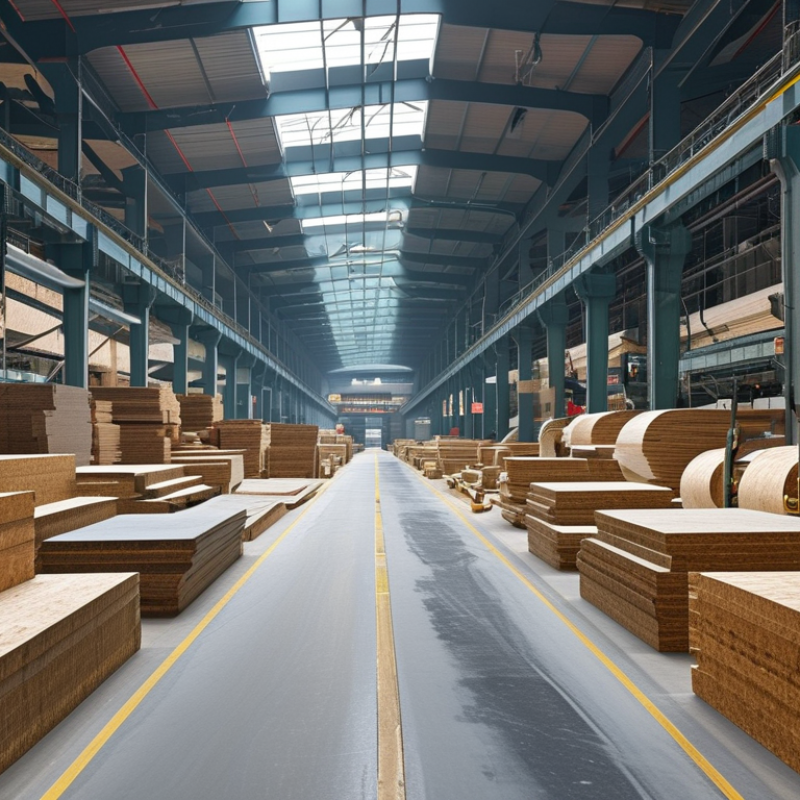
OSB, or oriented strand board, has seen significant growth in production across China. The country boasts numerous factories dedicated to OSB crafting. These factories utilize advanced technology to create high-quality products for various applications. The raw materials primarily come from sustainable forests, ensuring a steady supply of wood strands. However, production practices can vary, affecting quality.
The OSB manufacturing process involves drying, layering, and compressing wood strands. This method enhances durability and strength, making OSB an ideal choice for construction. While many factories adhere to strict standards, discrepancies in quality control sometimes arise. Certain manufacturers may cut corners to reduce costs, leading to potential issues for buyers.
China's OSB market is competitive, and global buyers face challenges in selecting the right supplier. It's essential to conduct thorough research and visit facilities when possible. Verifying certifications and quality assurance processes helps in making informed choices. Despite challenges, the opportunities in China's OSB production landscape remain significant for global buyers seeking reliable sources.
China's oriented strand board (OSB) market is diverse and competitive. Numerous manufacturers cater to global needs. Understanding key players in this sector is crucial for buyers seeking reliable sources.
Several major factories operate in China, delivering quality OSB products. These factories often focus on innovative production techniques. Sustainability is a growing concern, with many incorporating eco-friendly practices. Their commitment to quality and safety standards is evident in the products they ship worldwide.
However, not every manufacturer is equal. Some may lack certifications that buyers need. It's important to conduct thorough research. Reach out to manufacturers for references and past projects. Engaging with industry experts can also clarify any uncertainties. This proactive approach helps identify trustworthy suppliers, ensuring a successful purchasing experience.
| Company Type | Production Capacity (m³/year) | Main Export Markets | Established Year | Certifications |
|---|---|---|---|---|
| Manufacturer | 500,000 | North America, Europe | 2005 | ISO 9001, CE |
| Supplier | 350,000 | Asia, Middle East | 2010 | FSC, CARB |
| Distributor | 200,000 | South America, Africa | 2015 | ISO 14001 |
| Manufacturer | 750,000 | Europe, North America | 1998 | FSC, PEFC |
| Supplier | 300,000 | Asia, Europe | 2012 | ISO 9001, CE |
When selecting an OSB supplier, several key factors come into play. Firstly, consider the factory's production capacity. A larger capacity may indicate reliability in fulfilling orders. Also, assess the materials used in production. Quality raw materials lead to better OSB products, which affect your project directly. Look into the factory's certification. Certifications can offer insights into their compliance with industry standards.
Another essential consideration is customer service. Effective communication can make a significant difference, especially when issues arise. Investigate their responsiveness and support options. Existing buyer reviews can provide valuable insights. Read testimonials to understand past clients' experiences. Don't overlook the importance of delivery schedules. Timely delivery is crucial to keep your project on track.
Price matters in any procurement process, but it shouldn't overshadow quality. Some lower-priced options may compromise product integrity. It's wise to weigh the cost against the benefits of quality OSB. Reflect on your specific needs and the type of projects you undertake. Some suppliers specialize in certain applications. This specialization can align better with your requirements and goals.
When selecting an OSB factory in China, understanding quality standards is crucial. OSB, or oriented strand board, must adhere to specific regulations. These standards ensure that the product is safe and durable. Key certifications include ISO 9001 for quality management and CE marking for compliance with European safety requirements. Factories should provide documentation to verify certifications.
Quality control measures in these factories often involve rigorous testing. These tests assess thickness, moisture content, and strength properties. A focus on sustainability is emerging. Many manufacturers are looking at environmentally friendly practices. This shift is important for global buyers who prioritize eco-friendly materials.
However, navigating the certification landscape can be challenging. Not all factories maintain consistent quality. Some may have certifications but still underperform. Buyers should conduct thorough inspections. Establishing strong communication can help clarify any discrepancies. It's vital to build trust and ensure reliability in the supply chain.
The OSB (Oriented Strand Board) manufacturing sector in China is gaining traction among global buyers. Recent statistics indicate that China's OSB production reached approximately 15 million cubic meters in 2022, marking a steady growth of 5% compared to the previous year. This growth is largely driven by increasing demand from the construction and packaging industries. Experts predict that this trend will continue, with projections suggesting a 6% annual growth rate through 2025.
However, challenges persist. The industry faces issues such as fluctuations in raw material costs and environmental regulations. In 2021, the price of wood strands surged by 18%, impacting profit margins for many manufacturers. Additionally, stricter emissions standards require factories to invest in cleaner technologies. Some manufacturers struggle to keep up with these requirements, which could affect their competitiveness in the global market.
Innovation plays a crucial role in shaping the future outlook. Advances in technology are expected to enhance production efficiency. For instance, digital solutions in supply chain management could streamline operations and reduce waste. Nonetheless, the ability to adapt to rapid technological changes remains a concern for some companies. As the industry evolves, its capacity to embrace sustainable practices will determine its long-term viability on the global stage.
: OSB stands for oriented strand board. It is a type of engineered wood product.
OSB production involves drying, layering, and compressing wood strands. This enhances strength and durability.
The primary raw material is wood strands from sustainable forests. This ensures a steady supply.
Some factories cut corners to save costs. This can lead to quality discrepancies in the final product.
Buyers should conduct thorough research. Visiting facilities and verifying certifications is vital for informed choices.
The OSB market is growing due to demand in construction. Innovations in production techniques are also emerging.
Fluctuating raw material costs and stricter emissions regulations are current challenges for manufacturers.
In 2022, OSB production increased by 5%. Future growth is projected at 6% annually through 2025.
Innovation helps improve production efficiency. Adapting to new technologies is crucial for competitiveness.
The industry must embrace sustainable practices and technological changes. Adapting might be challenging for some manufacturers.
The article "Top China Osb Factory for Global Buyers to Consider?" provides a comprehensive overview of the oriented strand board (OSB) production landscape in China, highlighting the key players that dominate this sector. It emphasizes the importance of selecting a reliable China Osb Factory, taking into account various factors such as production capacity, pricing, and the ability to meet specific project requirements.
Furthermore, the article discusses the quality standards and certifications that are essential for ensuring the OSB meets international expectations. As the market evolves, it also explores emerging trends and offers insights into the future outlook for OSB manufacturing in China, suggesting that the demand for high-quality OSB is likely to grow as sustainable building practices become more prevalent globally.

Quality