When it comes to selecting the right Hardwood Plywood for your projects, expert insights can be invaluable. Bill Sanders, a renowned authority in the lumber industry, once said, "The right plywood can make or break your design.” This statement emphasizes the importance of informed choices when it comes to materials.
Choosing Hardwood Plywood is not just about aesthetics. Quality and durability play crucial roles as well. With various options available, it’s essential to consider the specific needs of your project. Different types of Hardwood Plywood offer various benefits, which can be overwhelming. Yet, understanding your requirements can guide you toward the best choice.
Reflecting on your project goals is vital. Are you looking for strength, beauty, or sustainability? Each project comes with its unique challenges. A thoughtful approach ensures that the final product meets your expectations. Balancing cost with quality is another common dilemma. Therefore, careful evaluation of all factors will lead to a successful outcome in your Hardwood Plywood selection process.
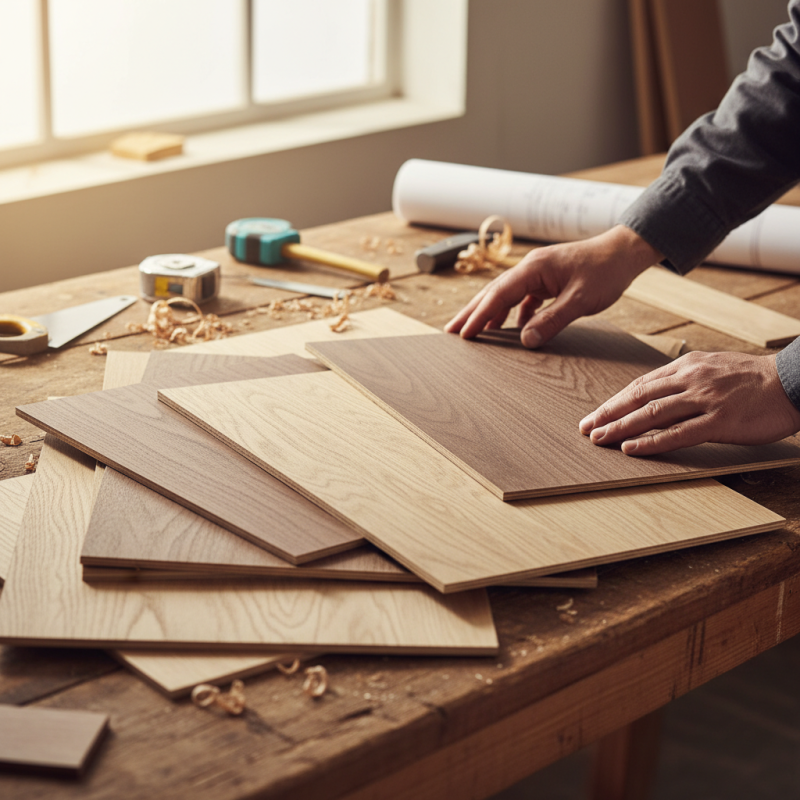
Hardwood plywood is available in various types, each serving different needs. Understanding the different grades is crucial when selecting the right panel for your project. The grading system, typically ranging from A to D, indicates the quality and appearance of the plywood. Grade A panels are smooth with minimal imperfections. Grade B may have slight blemishes, while Grades C and D feature more noticeable flaws.
Each type of hardwood plywood has its own unique characteristics. For example, birch plywood is strong and suitable for cabinetry. Oak, with its rich color and texture, works well for furniture. However, some might choose a lower grade to save costs, which could lead to visible defects. Reflecting on the balance between budget and quality is essential.
Knowing the intended use helps you decide the needed grade. Is appearance paramount for your display project, or will a more rugged option suffice for structural uses? Evaluating the requirements reveals that what may seem like a small flaw in low-grade plywood can become a critical issue down the line. Emphasizing quality ensures your finished project meets your standards.
When selecting hardwood plywood, thickness and quality are critical factors. The standard thickness ranges from ¼ inch to 1 inch. Thicker plywood is more stable and durable, making it suitable for structural applications. However, thin plywood can be sufficient for less demanding tasks. Industry data shows that plywood with a thickness of ¾ inch is often preferred for furniture and cabinetry.
Quality assessments of plywood involve looking at the number of plies and the grade of veneer. Higher-quality plywood typically features more plies, contributing to its strength and resistance to warping. According to the Plywood Association, top-grade plywood showcases fewer defects and provides a smoother surface. It is essential to check for voids and inconsistencies, as these can compromise integrity.
Selecting the right plywood requires careful consideration. While budget constraints may lead to choices that sacrifice quality, doing so can affect the finished project's longevity and appearance. Remember that a lower initial cost may result in higher maintenance or replacement costs in the long run. Evaluating plywood based on these criteria can significantly enhance the overall quality of your project.
When selecting hardwood plywood, environmental factors are crucial. Responsible sourcing of wood ensures that forests remain healthy. Look for certifications indicating sustainable practices. These certifications help guide consumers towards ethical choices that support the ecosystem.
Consider the impact of transportation on your plywood. Local sources reduce carbon footprints significantly. Additionally, evaluate any harmful chemicals used in the production process. Some adhesives and finishes can emit volatile organic compounds (VOCs), affecting indoor air quality. Choose products that prioritize non-toxic materials.
Transparency in the supply chain is essential. Some suppliers may provide limited information about their wood sources. This can lead to concerns over deforestation risks. Researching and questioning the origins of your materials is necessary. Balancing quality with sustainability requires careful thought and often a bit of compromise.
When selecting hardwood plywood, understanding specifications is crucial. Different projects require distinct qualities. For example, furniture projects need stable materials. Durability and aesthetics play key roles. Identifying your specific needs can save both time and money.
Tip 1: Check the veneer quality. High-quality veneers enhance the project's finish. They provide a smooth, even surface. You’ll notice the differences with close inspection. Lower-grade veneers may lead to uneven finishes.
Consider the core type as well. Plywood with a solid core is denser and offers better support. It resists warping and splitting. This is vital for structural integrity in cabinets or shelves.
Tip 2: Pay attention to thickness. Thicker plywood typically provides more strength. However, it may not be necessary for all projects. Assess the functional requirements and balance weight with stability. Reflecting on these specs ensures a better outcome. Aim for the right material that aligns with your project goals.
| Tip No. | Tip Description | Project Relevance | Recommended Grade |
|---|---|---|---|
| 1 | Identify the type of project (furniture, cabinetry, etc.) | All types | A or B |
| 2 | Consider thickness based on project requirements | Structural projects | 3/4" preferred |
| 3 | Evaluate the core material (veneer, MDF, etc.) | Cabinetry | Birch or Maple |
| 4 | Check for defects and grading | All types | A or B |
| 5 | Choose moisture-resistant options for specific environments | Bathrooms, kitchens | Marine-grade |
| 6 | Consider the finish and staining options | Furniture and decorative pieces | Natural veneer |
| 7 | Research sustainability certifications and origins | Eco-friendly projects | Certified sources |
| 8 | Assess weight and transportability | Portable projects | Lightweight options |
| 9 | Examine the warranty and return policy | All types | Flexible options |
| 10 | Compare costs per square foot for budget considerations | Budget projects | Value for money |
When selecting hardwood plywood, cost and availability are crucial factors. Different types of hardwood plywood come with varying price points. For example, domestic hardwoods like oak generally cost less than exotic varieties such as mahogany. This disparity can impact your budget. It’s beneficial to compare local suppliers or online retailers. Some may offer better deals, while others may have limited stock.
Availability also affects your choices. Some plywood types can be hard to find, depending on your location. Urban areas often have more options, but rural locations may have limited supply. It’s wise to plan ahead. You might need to order specialty plywood in advance. Remember, not all plywood brands will guarantee consistent quality. Look for reliable suppliers with good reputations.
In some cases, you might find yourself compromising on your ideal choice due to costs or availability. This can lead to frustration. Balancing budget constraints with quality and aesthetic needs is essential. Take your time to analyze your options. Each project has unique requirements, and a thoughtful approach will lead to better results.
: Grades typically range from A to D. Grade A has few imperfections, while Grade D has noticeable flaws.
Knowing grades helps you select the right panel for your project. It affects both appearance and durability.
Yes, but it may lead to visible defects. Reflecting on quality vs. budget is important for your project's success.
Birch plywood is strong and has a smooth finish, making it ideal for cabinet projects.
Responsible sourcing keeps forests healthy. Certifications indicate sustainable practices to guide eco-friendly choices.
Local sourcing reduces carbon footprints and supports local economies, benefiting sustainability efforts.
Some adhesives and finishes may emit VOCs. Choose non-toxic options to improve indoor air quality.
Research and ask suppliers about wood sources. Limited information can raise concerns about deforestation risks.
Consider how flaws may affect your project. Sometimes what seems minor can lead to bigger issues later.
Yes, it often requires careful thought. Compromise may be necessary, but it’s crucial for a responsible choice.
When selecting the best Hardwood Plywood for your projects, it's essential to understand the various types and grading systems available. This knowledge helps in assessing the thickness and overall quality considerations of the plywood, ensuring it meets the demands of your specific applications. Evaluating the environmental factors and sustainability of wood sources is also crucial, as it contributes to responsible sourcing and use.
Moreover, identifying the specific specifications required for different project needs will guide you in making an informed choice. Lastly, comparing costs and the availability of various Hardwood Plywood options will aid in budgeting and selecting the best materials for your undertakings. By taking these key factors into account, you can confidently choose the appropriate Hardwood Plywood for your woodworking projects.

Quality