How to Source High Quality China Plywood for Your Project?

Time:2026-04-09 Author:Sophia
0%

When embarking on a project that requires high-quality materials, sourcing is key. China Plywood is an attractive option for many due to its variety and affordability. However, navigating the market can be challenging. Not all suppliers deliver the same level of quality. Therefore, it's essential to conduct thorough research and vet your options carefully.

Understanding the specifications is vital. China Plywood comes in different grades and types, each suited for specific purposes. This complexity can be daunting for first-time buyers. It is critical to know what you need before reaching out to suppliers. Always request samples to assess quality firsthand, but remember that samples may not always represent the full product line.

Trustworthiness is another major factor. Reliable suppliers should have a reputation for consistent quality and good service. Feedback from past customers can provide valuable insights. Even with strong recommendations, remain vigilant. Mistakes can happen, and not every interaction will go smoothly. Expect challenges and remain open to adjusting your approach as needed for the best results.
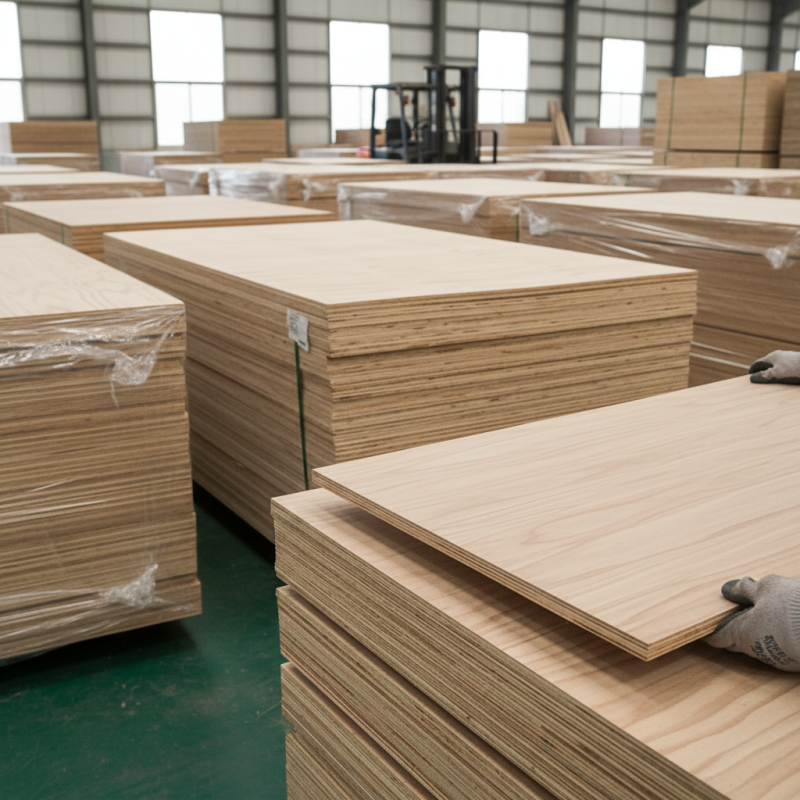
How to Source High Quality China Plywood for Your Project?

Understanding Plywood Types Available in China

When sourcing plywood in China, it’s important to understand the types available. Common types include hardwood, softwood, marine-grade, and veneered plywood. Each type has unique characteristics.

Hardwood plywood is ideal for furniture and cabinetry. It offers durability and a smooth finish.

Softwood plywood, on the other hand, is often used in construction. It’s lighter but not as strong.

Marine-grade plywood is specially treated to resist moisture. It’s perfect for projects in humid environments. Veneered plywood combines aesthetics with affordability, providing a wood-like appearance on a budget.

Choosing the right type can be tricky. Mistakes occur when projects require specific strengths or finishes. Not every plywood supplier offers all variations. Ensure that you verify the quality and certifications. Consider the intended use of the plywood. Inform yourself about the production standards and grades. Higher grades often mean fewer imperfections, but they come at a price. Research is essential for achieving the best results.

Identifying Reliable Suppliers for Plywood in China

Sourcing high-quality plywood in China starts with identifying reliable suppliers. The country dominates global plywood production, accounting for over 60% of the world's supply. Yet, not all manufacturers meet international quality standards. Understanding how to evaluate potential suppliers is critical.

Look for certifications such as ISO 9001 or the PEFC mark. These indicate adherence to international quality management practices and sustainable forestry standards. A study from the International Wood Products Association highlighted that certified products reduce risk. Visiting factories can provide insights. Check their production processes and equipment. This firsthand view can sometimes reveal issues that documents cannot.

Online platforms can help connect with suppliers. However, buyer reviews are invaluable. Feedback from other clients sheds light on the reliability and service quality of a supplier. Keep an eye on inconsistent feedback. This may indicate potential issues. A trustworthy source often has a robust communication process, ensuring clarity and transparency with clients throughout the order process.

Quality Comparison of Plywood Types in China

Evaluating Quality Standards for Chinese Plywood

When considering plywood sourced from China, evaluating quality standards is crucial. Various factors impact plywood quality, including the type of wood, adhesive used, and manufacturing processes. High-quality plywood typically uses durable hardwood veneers. This ensures strength and longevity in the final product. A key indicator of quality is the grading system used during production. Each grade reflects the visual appearance and structural integrity.

Look for certifications that indicate strict adherence to international standards. These certifications often consider formaldehyde emissions and moisture resistance. Such details reveal a lot about the plywood's reliability. Sometimes, even certified products may underperform. A visual inspection of the plywood, checking for warping or voids, can prevent future issues.

Additionally, learning about the supplier's reputation is vital. Seek feedback from previous clients to gauge their experiences. Sometimes, reviews might not reflect the latest conditions found in the industry. This creates a challenge for sourcing high-quality plywood. Remember that quality assurance is an ongoing process. Regular communication with suppliers can help maintain standards throughout the project.

Comparing Prices and Shipping Options for Plywood

When sourcing plywood from China, price and shipping options are vital factors to consider. The cost of plywood varies based on quality, type, and supplier. Checking multiple sources can reveal a wide price range. In some cases, high-quality plywood might be surprisingly affordable. However, lower prices may come with hidden costs. Always factor in shipping fees and handling charges.

Shipping options play a key role in your project's timeline. Air freight is quicker but often significantly more expensive. Sea freight offers lower rates but takes longer. Evaluate your project's deadlines when deciding. Sometimes, slower shipping allows for savings that can be reinvested into higher-quality plywood.

Be wary of suppliers that provide little information about delivery times. Reliable suppliers should be transparent about their shipping processes. Communicate directly with them to clarify all costs upfront. This can prevent unexpected fees that can affect your budget. Always have a fallback plan if your initial supplier fails to deliver on time. It's essential to prepare for potential delays or issues with quality.

How to Source High Quality China Plywood for Your Project?

Grade Thickness (mm) Price (USD per Sheet) Shipping Cost (USD) Delivery Time (Days) Supplier Rating
BB/CC 18 45 150 15 4.5
Grade A 15 50 100 10 4.8
Commercial 12 40 120 8 4.2
Marine 20 75 200 20 4.6
Fancy 9 60 180 12 4.9

Navigating Import Regulations for Sourcing Plywood from China

When sourcing plywood from China, understanding import regulations is crucial. Import processes can be complex and may vary significantly. Familiarize yourself with the standards that govern imported goods. Many countries have strict guidelines for wood products, including sustainability requirements. Plywood may require certifications to prove it meets these standards.

Customs clearance can present challenges. Ensure you have all necessary documentation to avoid delays. This includes invoices, packing lists, and origin certificates. Miscommunication can result in added costs and headaches. Always verify that your supplier can provide these documents in advance.

Be prepared for inspections. Customs may conduct checks on shipments to ensure compliance. Focus on quality control to prevent issues down the line. Engage with reputable logistics companies that understand these regulations. They can guide you through the complexities and help avoid common pitfalls. Knowing these details can save time, reduce costs, and ensure a smoother importing process.

FAQS

: What types of plywood are commonly available in China?

: Common types include hardwood, softwood, marine-grade, and veneered plywood. Each type has unique characteristics.

What is hardwood plywood best used for?

Hardwood plywood is ideal for furniture and cabinetry due to its durability and smooth finish.

Why is softwood plywood frequently used in construction?

Softwood plywood is lightweight and cost-effective, though it lacks the strength of hardwood.

What makes marine-grade plywood special?

Marine-grade plywood is treated to resist moisture, making it suitable for humid environments.

How can I ensure plywood quality when sourcing from China?

Check the grading system, quality certifications, and conduct a visual inspection before purchase.

What certifications should I look for in plywood?

Look for certifications that indicate adherence to international standards, especially regarding emissions.

How can I avoid issues during customs clearance?

Ensure you have all necessary documentation, including invoices and origin certificates, ready in advance.

What role does supplier reputation play in sourcing plywood?

A supplier's reputation can indicate quality and reliability. Seek feedback from previous clients for insights.

What can cause complications while importing plywood?

Miscommunication and incomplete documentation can lead to delays and unforeseen costs during the import process.

How can logistics companies assist in the importing of plywood?

Reputable logistics companies help navigate regulations and prevent common pitfalls during the importing process.

Conclusion

Sourcing high-quality China plywood for your project involves several key steps. First, it is essential to understand the various types of plywood available in the Chinese market, as different projects may require specific materials. Identifying reliable suppliers is crucial, and conducting thorough research can help ensure that you choose vendors with a solid reputation for quality and service.

Once suitable suppliers are found, evaluating quality standards is necessary to guarantee that the plywood meets your project’s requirements. Additionally, comparing prices and shipping options will allow for cost-effective procurement, ensuring that you remain within budget. Lastly, navigating import regulations is an important step to ensure compliance with local guidelines when sourcing China plywood. By following these steps, you can effectively source high-quality plywood that meets your project needs.


Sophia

Sophia

Sophia is a dedicated marketing professional with an exceptional depth of knowledge about her company's products and services. With a keen understanding of market trends and customer needs, she crafts insightful blog posts that not only inform but also engage readers, enriching the company’s online......