The construction industry constantly seeks reliable materials. One such material is the Osb Board Sheet. Known for its versatility and strength, it serves various purposes in building structures. This engineered wood product is composed of strands of wood arranged in layers. It offers significant advantages over traditional plywood.
Osb Board Sheet is often used in flooring, roofing, and wall sheathing. Its durability makes it an ideal choice for both residential and commercial projects. Builders appreciate its cost-effectiveness and ease of installation. However, some might overlook potential moisture issues. This factor can affect long-term performance and should be considered carefully.
Understanding the properties of Osb Board Sheet helps professionals make informed choices. Its use reflects the industry's shift toward innovative materials. While it has many benefits, it is crucial to weigh both advantages and limitations. Knowledge about Osb Board Sheet is indispensable for anyone involved in construction today.
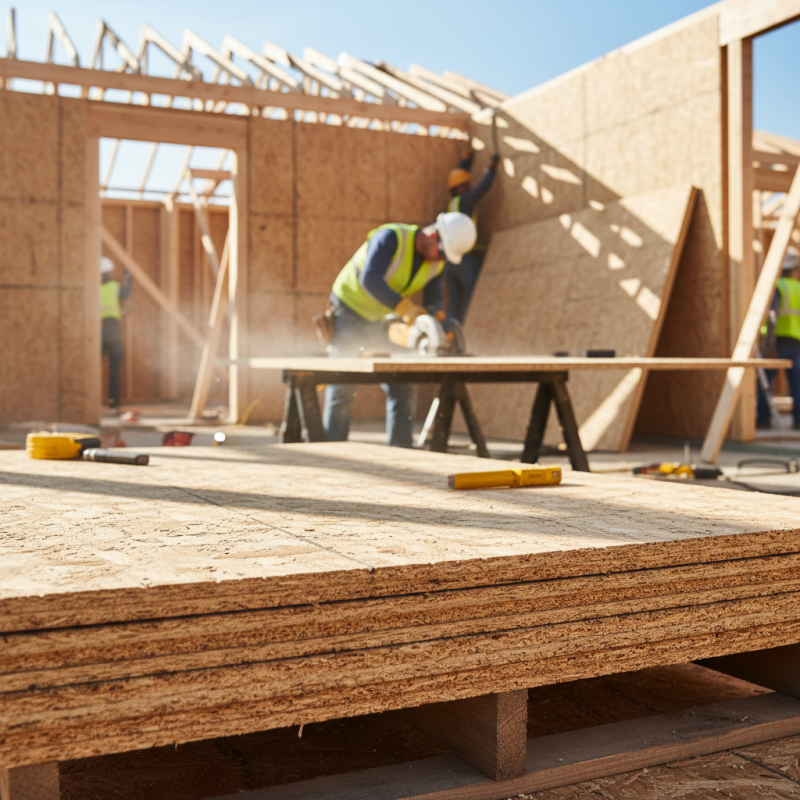
Oriented Strand Board (OSB) is a versatile engineered wood product made from strands of wood. These strands are bonded together with adhesives. The process creates a solid, strong board suitable for various construction applications. According to the APA – The Engineered Wood Association, OSB has become a popular choice for structural panels, with usage increasing by nearly 20% in the last decade.
The composition of OSB involves layers of wood strands arranged in perpendicular orientations. This design enhances stability and strength. Notably, Osb board sheets are often used in flooring, roofing, and wall sheathing. Its manufacturing process also results in lower waste, as it utilizes smaller, less desirable wood pieces. However, some challenges exist regarding moisture resistance and long-term durability.
Data from the Forest Products Laboratory suggests that OSB can swell when exposed to excessive moisture. This can impact its structural integrity over time. It’s vital for builders to consider environmental factors when utilizing OSB. The board is often subjected to scrutiny regarding its longevity in harsh climates. An awareness of these limitations can lead to more informed choices in construction projects.
Oriented Strand Board (OSB) is becoming a staple in modern construction. Its key properties make it desirable for various applications. Made from strands of wood, OSB is engineered to provide strength and durability. This board offers excellent structural support, ensuring safety and stability for buildings.
One of the greatest benefits of OSB is its versatility. It can serve many purposes, from flooring to wall sheathing. The manufacturing process offers sustainable use of timber, minimizing waste. Additionally, OSB demonstrates good moisture resistance, particularly in treated products. However, it is essential to consider the potential for swelling when exposed to excess water.
Another noteworthy aspect is its cost-effectiveness. Compared to traditional plywood, OSB is often more affordable. This affordability makes it a practical choice for budget-conscious projects. Some might argue that the aesthetic of OSB doesn't match that of wood alternatives. However, its practicality often outweighs visual considerations. This material invites reflection on balancing cost and appearance in construction choices.
OSB (Oriented Strand Board) is a versatile material widely used in both residential and commercial construction. In homes, it often serves as roof sheathing and subflooring. Builders appreciate its strength and ability to resist moisture. OSB can support heavy loads and is often chosen for its cost-effectiveness compared to plywood. However, improper installation can lead to issues with warping or swelling.
In commercial buildings, OSB finds applications in walls and flooring systems. It provides a solid foundation for various finishes and installations. Its lightweight nature makes it easier to handle on-site, but it requires precise cutting to avoid errors. Construction professionals sometimes overlook its environmental impact, as OSB is made from fast-growing trees. Sustainable sourcing is essential to minimize ecological concerns, yet not all projects prioritize this aspect. The balance between performance and environmental responsibility remains an ongoing challenge in the industry.
OSB (Oriented Strand Board) is a widely used engineered wood product in the construction industry. Its environmental impact and sustainability are key considerations for builders and consumers alike. The manufacturing process of OSB involves bonding wood strands with adhesives under heat and pressure. While this makes OSB strong and versatile, it also raises concerns regarding emissions and resource consumption.
A significant benefit of OSB is its use of fast-growing, renewable wood species. According to the American Forest & Paper Association, using these materials can reduce reliance on slower-growing timber. However, the adhesives used may release volatile organic compounds (VOCs), which can affect air quality. It's crucial for manufacturers to choose low-emitting adhesives to lessen environmental harm. Ensuring responsible sourcing and production practices can improve OSB's sustainability profile.
Tips for eco-friendly use of OSB include checking for certifications like FSC (Forest Stewardship Council) or PEFC (Programme for the Endorsement of Forest Certification). These ensure sustainable forest management. Additionally, using OSB in applications that minimize waste—such as cabinetry or furniture—can boost its lifecycle value. However, potential drawbacks must be recognized. For instance, OSB may not perform as well as plywood in humid environments, which can lead to structural concerns over time. Balancing benefits and limitations is essential for a sustainable choice.
When considering OSB board and plywood in structural applications, understanding their differences is key. OSB, or oriented strand board, is made from long, thin strands of wood that are oriented in layers and bonded with adhesives. This creates a strong and versatile panel. According to the Association of Wood Composites Producers, OSB offers comparable structural performance to plywood at a potentially lower cost.
Plywood, on the other hand, is manufactured from thin layers of wood veneer glued together. Its strength lies in the cross-laminated design. A report from APA - The Engineered Wood Association shows that plywood typically has a higher moisture resistance. While OSB is often used in flooring and wall sheathing, its susceptibility to water damage can be a drawback. This could lead to swelling or structural issues in damp environments.
In real-world applications, the choice can be nuanced. Regional availability and project-specific requirements often dictate material selection. Some builders prefer plywood for high-stress areas, while others favor OSB for its ease of installation. The decision impacts project costs, timelines, and overall building integrity. Careful consideration of each material's properties is essential to avoid future complications.
| Property | OSB Board | Plywood |
|---|---|---|
| Material Composition | Oriented Strand Board made from wood strands | Thin layers of wood veneer glued together |
| Strength | Higher tensile strength across the panel | Good strength, but varies with grain direction |
| Cost | Generally more cost-effective | Higher cost due to manufacturing process |
| Moisture Resistance | Tends to absorb moisture and swell | Better moisture resistance and dimensional stability |
| Applications | Wall sheathing, roofs, and sub-flooring | Cabinetry, furniture, and high-end applications |
| Environmental Impact | Typically made from fast-growing trees | Depends on wood source and sustainability practices |
: OSB is a wood-based product made from strands of wood, engineered for strength and durability.
OSB is versatile, moisture-resistant, and cost-effective. It minimizes waste in its manufacturing process.
OSB offers similar strength to plywood, often at a lower cost, but has lower moisture resistance.
OSB is used for roof sheathing and subflooring. It resists moisture and supports heavy loads effectively.
Improper installation can lead to warping or swelling. Precision is essential during the cutting process.
OSB is used in walls and flooring. Its lightweight nature aids handling, but cutting errors can be problematic.
OSB is made from fast-growing trees. Sustainable sourcing is important, yet not all projects prioritize this aspect.
Some people feel OSB is less visually appealing than plywood. Practicality often outweighs visual preference in projects.
Builders should consider regional availability, project needs, and costs when choosing between OSB and plywood.
OSB can swell when exposed to excess water. This can lead to structural issues in certain environments.
The article "What is Osb Board Sheet and How is it Used in Construction?" provides a comprehensive overview of OSB (Oriented Strand Board) and its relevance in the building industry. OSB Board Sheet is made from strands of wood, which are oriented and bonded with adhesives, creating a strong and versatile panel suitable for various construction applications. The key properties of OSB Board, such as its durability, cost-effectiveness, and ease of installation, make it a popular choice for both residential and commercial buildings.
Additionally, the article addresses the environmental impact of OSB Board manufacturing, highlighting its sustainability compared to other materials. It also includes a comparative analysis of OSB Board vs. plywood, examining their respective strengths in structural applications. Overall, the versatility and eco-friendliness of OSB Board Sheet underscore its significant role in modern construction practices.

Quality