Ordinary plywood plays a crucial role in many construction and furniture projects. According to a report from the American Forest & Paper Association, plywood accounts for approximately 30% of all wood panel consumption in the U.S. This material offers versatility, strength, and cost-effectiveness. However, not all plywood is created equal. Understanding the quality and specifications of Ordinary Plywood can significantly impact your project’s success.
The demand for Ordinary Plywood has surged as builders look for reliable materials. In 2022, the global plywood market size was valued at over $40 billion and is expected to grow steadily. This growth reflects builders' and designers' confidence in Ordinary Plywood's performance. Yet, some consumers still overlook its potential. Choosing the right type is essential, as inferior products can compromise structural integrity.
While Ordinary Plywood is often praised for affordability, it also raises questions about sustainability. Not all manufacturers prioritize eco-friendly practices. Therefore, it's vital to consider sourcing and production ethics. Careful selection can lead to a more informed and responsible decision. Recognizing both the advantages and limitations of Ordinary Plywood is key for successful outcomes in your projects.
Definition and Characteristics of Ordinary Plywood
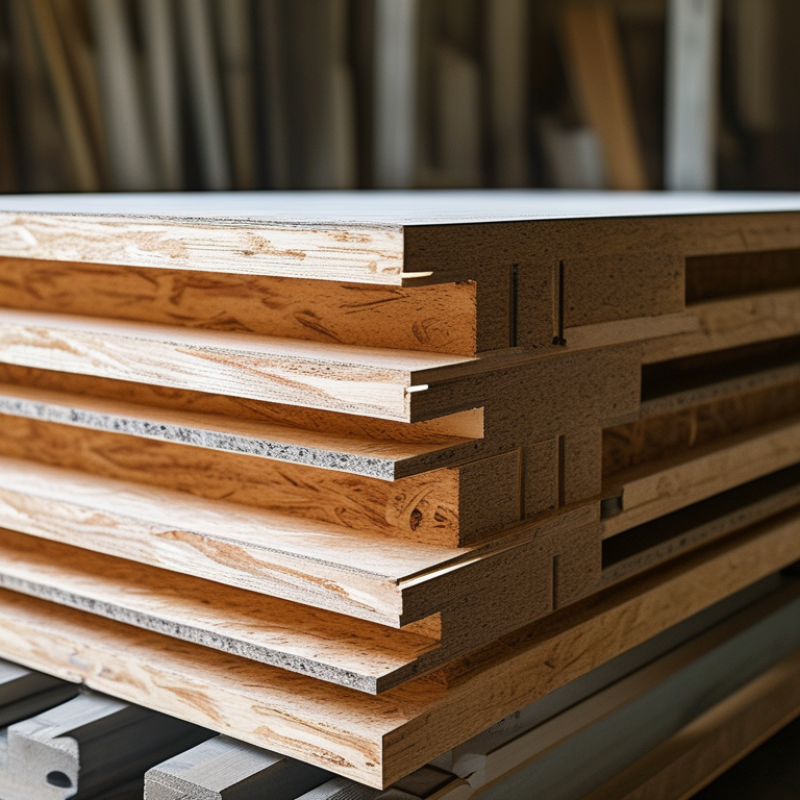
Ordinary plywood is a versatile material commonly used in construction and woodworking. It consists of multiple layers of thin wood veneer sheets glued together. These layers are oriented in different directions, enhancing the plywood's strength. This cross-banding technique reduces the risk of warping and splitting. Ordinary plywood is affordable and widely accessible, making it a popular choice for many projects.
One characteristic of ordinary plywood is its durability. It can withstand significant stress, making it ideal for furniture and flooring. Moreover, its smooth surface allows for easy finishing. However, not all ordinary plywood meets high standards. Some varieties may have visible defects or uneven grains. It's essential to inspect sheets carefully before purchasing. This scrutiny will help you avoid future issues in your projects.
Another aspect to consider is its weight. While ordinary plywood is relatively lightweight, its thickness can affect handling and installation. Heavier sheets may require additional support during transport. This is an important factor to keep in mind when planning your project. Always weigh the pros and cons before making your selection.
Common Types of Ordinary Plywood and Their Uses
Ordinary plywood comes in various types, each suited for different applications. Softwood plywood is commonly used in construction. It’s strong, lightweight, and cost-effective. According to industry reports, over 50% of plywood production is softwood-based. This type is ideal for structural components like beams and floor joists.
Hardwood plywood, on the other hand, finds its niche in furniture making. It is crafted from deciduous trees, providing durability and an attractive finish. Reports indicate that hardwood plywood has gained a 20% increase in demand over the last five years. Its appeal lies in its aesthetic value, often used for cabinets and wall panels.
Commercial plywood is another option, typically used in furniture and cabinetry. It is versatile and can be finished in various styles. Yet, it’s critical to check the grade. Lower-grade commercial plywood may have more voids and imperfections, affecting its performance. Thus, users should weigh their options carefully when selecting the right type of plywood for their projects.
Advantages of Choosing Ordinary Plywood for Projects
Ordinary plywood is a versatile material that finds its way into numerous construction and DIY projects. One significant advantage of choosing ordinary plywood is its cost-effectiveness. According to a 2021 industry report, plywood generally costs about 50% less than solid wood alternatives while maintaining similar structural integrity. This makes it a preferred choice for budget-conscious projects.
Another benefit of ordinary plywood is its strength and durability. It is manufactured using multiple layers of wood veneer, which enhances stability and prevents warping. A study by the Forest Products Laboratory indicates that well-manufactured plywood can handle heavy loads, making it ideal for furniture, flooring, and cabinetry. The performance of plywood can vary, so ensuring you source from reliable suppliers is vital.
When planning your project, consider the intended use. For structural applications, opt for higher-grade plywood with fewer voids and defects. Even minor imperfections can affect the overall quality. Remember, the finishing process also matters; sanding and sealing can enhance the plywood's durability and appearance. Proper maintenance goes a long way in prolonging its life. Products can tarnish over time, so regular check-ups ensure your work holds up well.
Factors to Consider When Selecting Ordinary Plywood
When selecting ordinary plywood, several factors deserve your attention. The thickness of the plywood impacts its strength and durability. Common thickness options range from 1/4 inch to 1 inch. A thicker plywood is generally more robust but may be heavier. Consider your project's requirements carefully. If you need light weight for a furniture piece, thinner plywood might be more suitable.
Another aspect to think about is the grading of the plywood. Plywood is graded based on appearance and quality. Higher grades contain fewer knots and defects. This can affect both its function and aesthetics. If your project is a visible structure like cabinets, opting for a higher grade is wise.
Moisture resistance is equally important. Consider where the plywood will be used. If it's for outdoor projects, choose a type designed for moisture resistance. Regular ordinary plywood can warp or swell when exposed to water. Assess the environment and potential exposure conditions before making a decision. Remember, the best choice depends on a mix of practicality and personal taste.
Ordinary Plywood Selection Factors
Maintenance and Care Tips for Ordinary Plywood Products
Ordinary plywood is versatile but requires careful maintenance to ensure durability. Regularly check for moisture exposure. This can warp the wood. If you notice any signs of swelling or bending, it’s important to act quickly. Dry the area immediately and address any sources of moisture.
Cleaning should be gentle. Use a soft, damp cloth to wipe the surface. Avoid harsh chemicals, as they can damage the finish. A light coat of wax can enhance its appearance while providing a protective layer against minor scratches.
Be mindful of heavy objects placed on plywood. Even though it is strong, excessive pressure in a concentrated area can lead to dents or breaks. Consider using coasters or protective pads. This helps distribute weight evenly and prevents damage. Regular inspections can help you catch small issues before they turn into significant repairs.
FAQS
: The main types include softwood plywood, hardwood plywood, and commercial plywood.
Softwood plywood is commonly used in construction. It is strong and lightweight.
Hardwood plywood is durable and has an attractive finish. It is made from deciduous trees.
Check the grade of commercial plywood. Lower grades may have voids and imperfections.
Regularly check for moisture exposure. Dry any affected areas immediately to prevent warping.
Use a soft, damp cloth. Avoid harsh chemicals as they can damage the finish.
Yes, excessive pressure can cause dents or breaks. Use coasters or pads to distribute weight.
Regular inspections can help you find small issues before they become major problems.
Act quickly. Dry the area and find the source of moisture causing the problem.
Conclusion
Ordinary plywood is a versatile and widely used building material, characterized by its layers of wood veneers bonded together to enhance durability and stability. Common types of ordinary plywood include hardwood, softwood, and structural plywood, each suited to different construction and design projects, from furniture making to structural applications.
Choosing ordinary plywood offers several advantages, such as cost-effectiveness, ease of manipulation, and a reliable finish. When selecting ordinary plywood, factors like thickness, grade, and moisture resistance should be carefully considered to match the specific requirements of a project. Additionally, proper maintenance and care, such as sealing and regular inspections, can prolong the lifespan of ordinary plywood products, making them a practical choice for both professional builders and DIY enthusiasts.

 Quality