When it comes to building projects, the choice of materials is crucial. OSB sheathing has become a popular option among contractors and builders. Its affordability and versatility play significant roles in this trend. However, not all projects may benefit equally from OSB. Some may prefer traditional plywood instead. Thus, it's essential to evaluate the specific requirements of each construction project.
OSB sheathing boasts excellent strength and durability. It performs well in various weather conditions, making it suitable for different climates. This material is engineered for performance, featuring a consistent structure that's easy to work with. Yet, challenges exist, such as moisture sensitivity. Builders must manage these factors carefully to ensure longevity.
Ultimately, the decision to use OSB sheathing depends on a project's unique needs. Considerations like cost, design, and environmental factors come into play. While OSB sheathing offers numerous benefits, it may not always be the ideal solution. Therefore, understanding its properties and limitations is vital for effective construction.
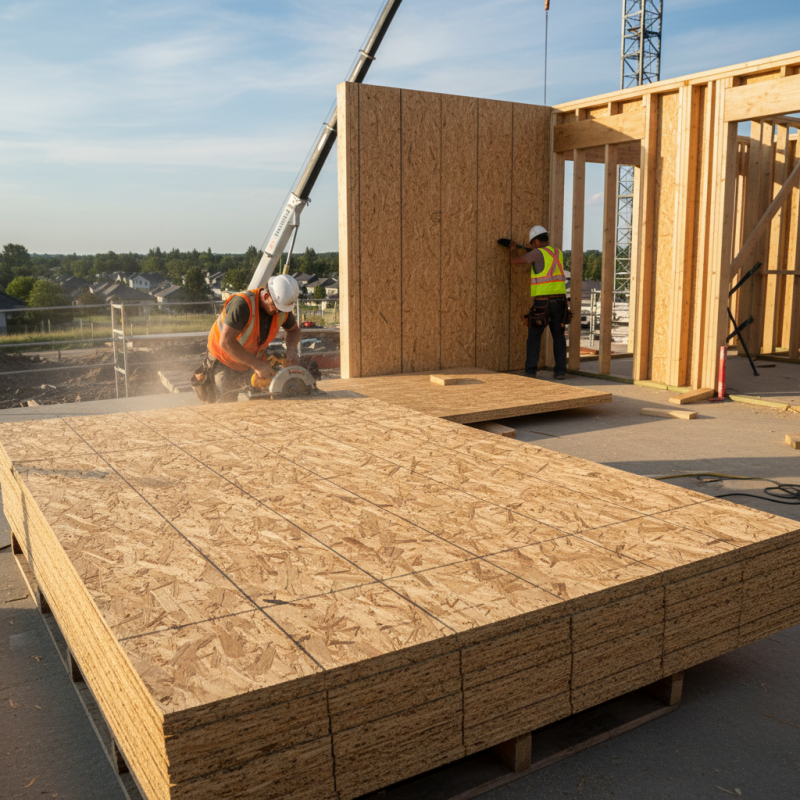
Oriented strand board (OSB) has gained traction in the construction industry. Its strength-to-weight ratio makes it an excellent choice for sheathing. Data from the APA - The Engineered Wood Association reveals that OSB provides similar structural performance to plywood, while often being more cost-effective. This can result in substantial savings for large-scale projects.
Using OSB sheathing also supports sustainability. The material can be made from fast-growing trees, promoting renewable resource use. According to the Forest Products Laboratory, OSB utilizes up to 90% of the log, minimizing waste compared to traditional wood. This efficient use of materials reflects a growing awareness of environmental responsibility in construction.
However, OSB isn’t without challenges. It can absorb moisture and swell if not properly treated. Construction professionals often overlook proper sealing and finishing techniques, which can lead to long-term issues. Addressing these concerns is essential for maximizing the benefits of OSB sheathing in various applications.
When choosing sheathing materials, OSB (Oriented Strand Board) stands out against traditional options like plywood. OSB is made from strands of wood, which are aligned to enhance strength and stability. This design allows OSB to withstand harsh weather conditions. It tends to offer superior moisture resistance compared to plywood, making it a reliable choice for various climates.
However, it’s essential to consider both benefits and drawbacks. OSB can be more susceptible to water damage if not properly sealed. In contrast, plywood has a time-tested reputation. It has long been favored in many construction projects. Traditional options often provide better structural integrity in the event of prolonged exposure to moisture.
Cost-effectiveness is another essential aspect. OSB tends to be less expensive than plywood, which can appeal to budget-conscious builders. However, the initial savings may not always translate to long-term durability. Evaluating insulation properties is also crucial. OSB has lower thermal resistance compared to some traditional materials, which could impact energy efficiency. Ultimately, the choice between OSB and traditional sheathing materials should be made based on specific project needs and environmental factors.
OSB sheathing is valued for its durability and structural integrity. This engineered wood product is made from strands of wood that are bonded together with adhesives. The manufacturing process results in a material that can resist warping, splitting, and cracking. When exposed to moisture, OSB maintains its strength better than many traditional materials. This quality enhances its reliability in various weather conditions.
A construction project can face many challenges. Occasionally, builders may find that OSB doesn't grip fasteners as well as plywood. This can lead to potential issues during installation. However, despite this drawback, its load-bearing capabilities and overall resilience make it a popular choice. It's particularly effective in residential applications where strength is essential.
Choosing OSB sheathing can contribute to a robust structure while being cost-effective. The material often performs well in terms of insulation as well. Some might wonder about the long-term impact of OSB on a building's sustainability. Continuous research aims to address these concerns, emphasizing the importance of durability over time.
OSB sheathing has gained traction in the construction industry due to its cost-effectiveness. According to a recent study by the National Association of Home Builders, the average cost of OSB sheathing is approximately $10 to $15 per 4x8 panel. This price is notably lower than plywood sheathing, which can range from $15 to $30 for the same size. Such a difference can significantly impact overall project budgets, allowing builders to allocate funds more effectively across various construction needs.
Additionally, OSB sheathing is lightweight and easy to handle, which can reduce labor costs. Research from the Forest Products Laboratory indicates that OSB provides adequate structural support, making it suitable for various applications, from walls to roofs. It’s crucial, however, to consider the installation environment. OSB is more sensitive to moisture than plywood. This can lead to swelling if not adequately protected during construction. Proper sealing and protective measures are essential for long-term durability.
The supply chain dynamics also affect cost. The availability of raw materials for OSB fluctuates, impacting pricing. During periods of high demand, prices may rise. Builders must stay informed about market changes to ensure they aren't caught off guard by sudden costs. Balancing cost and quality remains a key challenge, but OSB sheathing offers a viable option for many construction projects.
Oriented Strand Board (OSB) sheathing is gaining popularity in construction due to its environmental benefits. Produced from fast-growing trees, OSB makes use of wood strands that might otherwise go to waste. According to the American Wood Council, the use of OSB can reduce the demand for solid wood, preserving forests.
Sustainability is a key consideration for many builders. OSB has a lower carbon footprint compared to traditional plywood. A study by the National Association of Home Builders found that using OSB can reduce greenhouse gas emissions by up to 40%. This makes OSB a favorable choice for projects seeking LEED certification.
However, not all aspects of OSB are perfect. Its susceptibility to moisture and temperature changes raises questions about longevity. Construction professionals must factor in these vulnerabilities when choosing materials. Continual research and development in OSB technology aim to address these issues. Yet, potential buyers should be aware of its limitations.
: OSB sheathing is used for walls, roofs, and other structural components in construction projects.
OSB provides similar strength to plywood but is often more cost-effective, making it an appealing option.
OSB supports sustainability and minimizes waste, using up to 90% of the log during production.
OSB costs about $10 to $15 per 4x8 panel, cheaper than plywood, which can range from $15 to $30.
Yes, OSB can swell if it absorbs moisture and is not properly sealed. This can lead to long-term issues.
Builders need to ensure proper sealing and protection against moisture to avoid swelling and damage.
Yes, OSB is made from fast-growing trees, promoting renewable resources and reducing waste in construction.
Its lightweight nature makes OSB easy to handle, potentially reducing labor costs during installation.
OSB prices can fluctuate based on supply and demand, so builders should stay updated on market conditions.
OSB has lower thermal resistance compared to some traditional materials, which may affect energy efficiency.
OSB sheathing, or oriented strand board sheathing, offers numerous advantages for construction projects, making it a popular choice among builders and contractors. Its benefits include excellent structural integrity and durability, which help ensure the overall stability of a building. When compared to traditional sheathing materials, OSB sheathing demonstrates superior performance, providing a cost-effective solution without compromising quality.
Additionally, the environmental impact and sustainability of OSB sheathing are noteworthy. As it is often made from fast-growing trees and wood strands, it represents a more eco-friendly choice within the building materials market. Overall, the cost-effectiveness, durability, and environmentally conscious attributes of OSB sheathing make it a compelling option for modern construction applications.

Quality