Choosing ordinary plywood for global sourcing is a crucial decision for many businesses. According to Dr. Emily Hayes, a leading expert in the plywood industry, “The right plywood can significantly impact your project’s success.” With this in mind, understanding the qualities of ordinary plywood is vital.
Ordinary plywood is versatile and widely used in various applications. It is essential to consider factors such as grade, thickness, and source. A wise choice can enhance durability and cost-effectiveness. However, not all plywood is created equal. Some products may not meet quality standards, leading to unforeseen costs.
Navigating the options can be overwhelming. It's common to find discrepancies in pricing and quality. Striking a balance between cost and performance is challenging. Gaining a deeper understanding of ordinary plywood's specifications will help in making informed choices. Reflecting on past experiences can provide valuable insights.
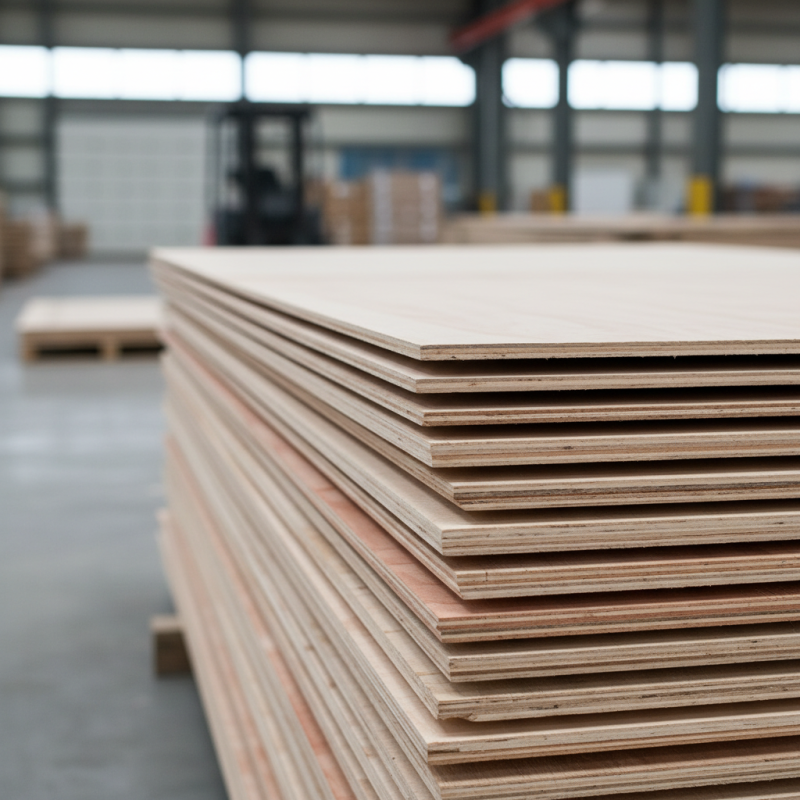
When sourcing ordinary plywood, understanding the different types available globally is crucial. Ordinary plywood is categorized based on layers and materials used. The most common types are softwood, hardwood, and tropical plywood.
Softwood plywood, made from trees like pine and fir, is lightweight and cost-effective. Hardwood plywood, crafted from deciduous trees, offers greater durability and strength. Tropical plywood, sourced from tropical regions, often combines various wood species for a unique blend of properties.
Research indicates that the global plywood market is projected to reach $70 billion by 2026. The Asia-Pacific region holds the largest market share, driven by rapid industrialization and urbanization. Consumers often face challenges in quality. Not every supplier maintains consistent standards. This inconsistency can affect everything from structural integrity to appearance. It is essential to assess each product's grading, moisture content, and intended application.
Plywood's versatility is evident in its wide range of uses, from furniture to construction. However, sourcing the right type requires careful evaluation of the project requirements. Each type of plywood reacts differently to environmental factors, such as humidity and temperature. This variability can lead to potential issues down the line if not thoroughly considered. By understanding these differences, buyers can make more informed choices that align with their sourcing needs.
When selecting plywood for global sourcing, several key factors play a crucial role in your decision-making process. Start by evaluating the quality and grade of the plywood. Higher grades typically have fewer defects and better structural integrity. Always request sample sheets for quality assurance before the bulk order.
Consider the sourcing location. Different regions produce plywood differently. This affects both the quality and the price. Local wood characteristics can influence the final product's durability. Ensure your supplier provides insight into their sourcing practices. This will enhance the reliability of your purchase.
**Tips:** Ensure suppliers follow sustainable practices. Check for certifications to promote environment-friendly sourcing.
Don't overlook the importance of understanding shipment logistics. Plywood is bulky and can incur high shipping costs. Miscalculations here can lead to unexpected expenses. Always inquire about shipping options and costs upfront to avoid surprises.
**Tips:** A well-planned logistics strategy can save you money and time. Review multiple shipping options before making commitments.
| Factor | Consideration | Importance Level |
|---|---|---|
| Wood Species | Determine durability, weight, and appearance | High |
| Thickness | Select based on project requirements | Medium |
| Glue Type | Check for VOC emissions and water resistance | High |
| Cost | Analyze pricing against your budget | High |
| Certifications | Look for eco-friendly and safety certifications | Medium |
| Supplier Reputation | Research supplier reliability and reviews | High |
| Delivery Time | Assess lead times for project scheduling | Medium |
| Finishing Options | Verify available finishes for desired aesthetics | Low |
When sourcing plywood globally, understanding quality standards is crucial. Organizations like the American Plywood Association emphasize the importance of certifications. These certifications, such as the ANSI and CSA standards, provide guidelines for evaluating the strength, durability, and safety of plywood. Statistics indicate that plywood meeting these standards has a 25% lower failure rate in structural applications compared to non-certified alternatives.
Additionally, consider the International Standards Organization (ISO) certifications. ISO 9001, for instance, underscores a commitment to quality management systems. Companies that comply with this standard often experience fewer defects in their products. Industry reports suggest that certified plywood manufacturers can lead to a 15% increase in customer satisfaction. However, relying solely on certifications isn't sufficient. It's crucial to analyze supplier reliability and material sourcing practices.
Inspections at the production site can reveal inconsistencies in compliance. While certifications serve as a guideline, they don't guarantee perfect quality. Many buyers overlook the importance of thorough site audits. Such measures help to identify potential risks that certifications may not capture. Ultimately, understanding these quality standards and actively engaging in the evaluation process helps ensure a successful sourcing endeavor.
When sourcing plywood globally, pricing is influenced by several factors. A recent report by the International Wood Markets Group indicates that raw material costs account for about 60% of the final price. Variations in wood species, thickness, and grade play a significant role here. For instance, common softwoods like pine are generally cheaper than hardwoods like oak or birch. This discrepancy can lead to substantial cost differences when buying products in bulk.
Shipping logistics also affect plywood pricing. Transport costs can rise significantly with longer distances. For example, shipping from Southeast Asia to North America can range from $1,200 to $2,500 per container, depending on fuel prices and demand. Additionally, duties and tariffs can burden importers. Current tariffs on plywood from certain countries may reach 25%, increasing overall expenses.
Market demand is another variable. According to Global Industry Analysts, the global plywood market is expected to grow by approximately 3.5% annually over the next five years. High demand can drive prices up. Thus, understanding local market conditions becomes essential. Sourcing plywood requires careful consideration of these pricing factors to achieve cost-effective results. Being aware of these dynamics helps buyers navigate a complex landscape.
When sourcing plywood, logistics plays a crucial role in supply chain efficiency. A study by the Wood Products Council reveals that transportation costs can make up to 15% of the total plywood supply expenses. Thus, optimizing logistics is essential for cost-effective sourcing. Strategies such as consolidating shipments and choosing regional suppliers can help minimize these costs. However, oversimplifying logistics can lead to delays and inventory shortages.
Tips: Always assess your supplier's distribution network. This can reveal potential risks in supply continuity. Additionally, evaluate shipping methods based on cost and reliability.
Streamlining your plywood supply chain requires understanding local market conditions. The demand for plywood has fluctuated globally, influenced by factors like housing market trends. Recent reports indicate that Asia-Pacific will dominate plywood consumption, driven by construction growth. Yet, sourcing from this region may present challenges, such as geopolitical tensions.
Tips: Stay informed about market trends and potential disruptions. Developing strong relationships with multiple suppliers can mitigate risks.
: Evaluate quality and grade first. Higher grades have fewer defects and better integrity. Request samples for assurance.
Different regions produce plywood variably. Local wood characteristics impact durability and overall quality.
Plywood is bulky and incurs high shipping costs. Miscalculating these expenses can result in unexpected costs.
Costs vary by distance. International shipments can range significantly based on fuel prices and demand.
Raw material costs account for about 60% of price. Species and grade variations can lead to big price differences.
High demand drives prices up. The market is expected to grow by about 3.5% annually over the next five years.
Assess logistics and minimize transport costs. Ensure you do not oversimplify, as it may cause delays.
Evaluate supplier networks for risks. Fluctuating demand can affect supply continuity. Stay informed about potential disruptions.
Environmentally friendly sourcing is essential. Suppliers should have certifications to ensure sustainable practices.
The region's demand is rising rapidly, but geopolitical tensions may complicate sourcing logistics.
When choosing Ordinary Plywood for global sourcing, it is essential to understand the various types available across the world. Different types of plywood cater to distinct needs, influencing the selection process. Key factors to consider include the intended use, durability, and environmental conditions the plywood will face. Additionally, evaluating quality standards and certifications can help ensure that the Ordinary Plywood meets the required specifications.
Cost analysis is another critical aspect, as pricing factors can vary significantly depending on the supplier and region. It is also advisable to simplify your plywood supply chain by considering various sourcing and logistics strategies. By carefully assessing all these elements, you can make informed decisions that align with your sourcing needs and objectives.

Quality