Choosing the right formwork plywood is crucial for construction projects. The Global Construction Industry Report indicates that the plywood market is projected to grow by 4.6% annually through 2025. This growth underscores the importance of selecting high-quality materials.
Formwork plywood plays a vital role in defining the structural integrity of concrete elements. Poor quality can lead to costly mistakes. For instance, a project using inferior formwork can increase labor costs by 30% due to delays and rework. Additionally, the correct choice impacts both the durability and surface finish of the concrete.
Factors such as thickness, durability, and environmental resistance greatly influence performance. Many experts advise selecting plywood that adheres to recognized standards, ensuring reliability. However, some might overlook these details in favor of upfront cost savings. This can lead to negative long-term outcomes, requiring reflection on material choices. Prioritizing quality will prove beneficial for the project’s success.
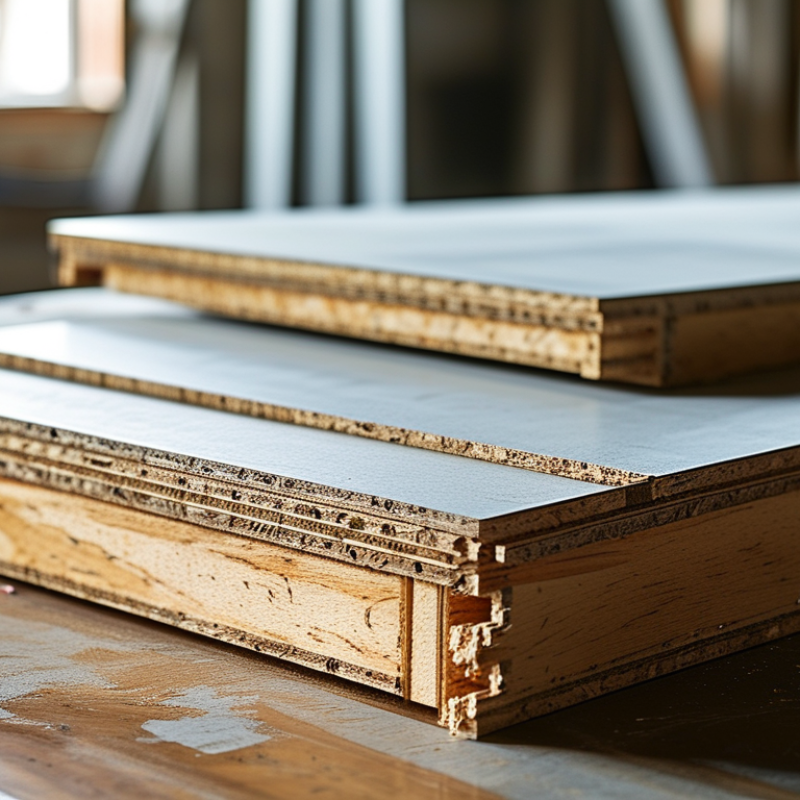
Formwork plywood is crucial in constructing concrete structures. It provides the necessary support for wet concrete until it hardens. Understanding its applications can help you make better material choices. Research indicates that over 70% of construction projects use formwork systems, showcasing its significance.
Various types of formwork plywood exist, each tailored to specific needs. For instance, phenolic-faced plywood is known for its durability and resistance to water. A report from the Construction Industry Institute highlights that choosing the right plywood can reduce costs by up to 30%. However, one must consider the environmental impact. Some products are made from non-sustainable sources. Not all plywood options are created equal, and improper use can lead to defects in the final structure.
It is also important to evaluate the long-term performance of the plywood. Experts suggest that frequent evaluations of previously used materials might provide better insights. Learning from past mistakes is crucial. Flaws in design or material selection can severely affect project timelines and budgets. Emphasizing quality and compliance is critical for a successful outcome.
When selecting formwork plywood for your project, several key factors come into play. One crucial aspect is the type of construction you are undertaking. For large-scale projects, durability is essential. A higher density plywood can bear significant loads. This results in fewer replacements and repairs during your project.
Consider the weather conditions your site will face. Plywood's exposure to moisture can lead to warping or damage. If your project is outdoors, look for plywood designed for wet conditions. This enhances durability and structural integrity. Pay attention to the grade of plywood too. Higher grades typically offer a smoother surface. This minimizes finishing work later on.
Tips: Always check for certifications. Reliable plywood comes with quality stamps. This ensures you are investing in a product that can withstand rigorous usage. Consider the thickness of the plywood as well. Thicker panels provide better support but can be heavier. Balance weight and strength based on your project needs. Evaluate your budget realistically too. Cheaper options may tempt you, but they often lack longevity and quality.
| Factor | Description | Importance Level |
|---|---|---|
| Material Quality | Evaluate the type of wood and adhesive used, ensuring durability and resistance to moisture. | High |
| Thickness | Consider the thickness of the plywood that matches the design load requirements of your project. | Medium |
| Surface Finish | Look for smooth finishes to ensure concrete surfaces achieve the desired appearance. | High |
| Weight | Assess the weight for ease of handling and transportation on-site. | Medium |
| Cost | Determine your budget and balance it against the quality and specifications needed. | High |
| Reusability | Consider the ability to reuse plywood to maximize cost efficiency over multiple projects. | Medium |
| Moisture Resistance | Ensure the plywood is treated for water resistance, especially in outdoor applications. | High |
When choosing formwork plywood, several materials stand out due to their unique properties. Baltic birch plywood is popular for its strength and durability. It features a smooth surface that ensures a clean concrete finish. However, it can be heavy, making it a bit challenging to work with.
Another option is phenolic film-faced plywood. This type has a hard, waterproof surface. It resists wear and tear, making it ideal for repeated use. On the downside, it can be more expensive than other alternatives.
MDF and OSB plywoods are lighter and cheaper. Their flexibility allows easy handling on-site. However, they lack the moisture resistance that more robust materials offer. This makes them less suitable for heavy-duty projects. Each type has its pros and cons, and careful consideration is key to making the right choice for your project.
When selecting formwork plywood, assessing its quality and durability is crucial. High-quality plywood plays a significant role in the success of construction projects. According to industry reports, moisture resistance and structural integrity are key factors. Plywood should withstand the rigors of concrete pouring and minimize warping. A notable study from the American Plywood Association indicates that quality plywood can reduce overall project costs by up to 15%.
Another aspect to evaluate is the type of adhesive used in the plywood. Waterproof adhesives significantly enhance durability. Plywood products rated for exposure to severe conditions typically use phenolic resin adhesives. These resins withstand harsh treatments and extend the life of the plywood. A report from the Forest Products Laboratory shows that plywood treated this way can last 2 to 3 times longer than standard options.
Cost often drives decisions, but cheaper options may lead to failures. Failure to prioritize durability can result in delays and increased expenditures. Selecting high-quality formwork plywood is an investment in project longevity. Evaluating these factors ensures better performance and reliability. Performance data highlights the risks of inadequate plywood and urges rigorous testing standards in the industry.
Choosing the right formwork plywood is crucial for your construction project. Budgeting plays a significant role in this decision-making process. It's essential to evaluate the initial costs versus long-term benefits. Cheaper options might seem attractive, but they can lead to future expenses due to damage or poor performance.
Calculating the total cost should include transportation, installation, and potential replacement. Consider how often the plywood will be reused. Multiplying the number of uses against its lifespan can provide insights into its overall value. Some projects may face budget overruns due to unforeseen repairs. This can be frustrating, highlighting the importance of careful selection based on project requirements.
Reflecting on the available choices is vital. Are you prioritizing cost, or are performance and durability more important? Finding the right balance can lead to a more efficient project and fewer headaches down the road. It's not just about the price tag; consider the long-term implications of your choice.
: Formwork plywood supports wet concrete until it hardens, crucial for concrete structures.
The right plywood can reduce costs by up to 30% and improve project efficiency.
Consider project size, weather conditions, plywood grade, and thickness for optimal results.
Exposure to moisture can cause warping and damage, impacting overall project integrity.
Waterproof adhesives enhance durability, making plywood withstand harsh conditions and last longer.
While tempting, cheaper options often lack longevity and can incur higher future costs.
Learning from previous materials can lead to better choices and avoid repeating mistakes.
Look for quality stamps that assure the plywood can withstand rigorous use and conditions.
Thicker panels offer better support but can be heavier; balance is key based on project needs.
Flaws in selection may significantly delay timelines and inflate budgets, necessitating careful assessment.
Choosing the right formwork plywood is crucial for any construction project, as it directly impacts the efficiency and quality of concrete structures. Understanding formwork plywood and its applications provides a solid foundation for making informed decisions. Key factors to consider include the intended use, environmental conditions, and load-bearing requirements.
Different types of formwork plywood materials possess distinct properties that affect their performance. Assessing the quality and durability of these products ensures long-term value, while cost considerations and budgeting play a vital role in the selection process. By carefully evaluating these aspects, professionals can select the best formwork plywood that meets their project requirements, ultimately leading to successful construction outcomes.

Quality