When embarking on a flooring project, choosing the right materials is essential. Flooring plywood is a popular choice due to its durability and versatility. Expert in the field, John Smith, states, "The right plywood can transform a space and enhance its functionality." Understanding the various types of flooring plywood can be daunting. There’s a vast array of options, each with its own advantages and disadvantages.
Selecting the best flooring plywood involves several factors. Consider the plywood's grade, thickness, and moisture resistance. Not all plywood is created equal, and some may not hold up well in specific environments. Moreover, appearance and texture play a pivotal role in the final look of your flooring. It’s important to weigh both aesthetic and practical needs before making a decision.
Investing time in research is crucial. Engaging with professionals can provide insights that might go unnoticed. Many people overlook the importance of quality in plywood. A poor choice can lead to costly repairs down the line. Ensure you have a clear understanding of your project requirements before selecting the best flooring plywood.
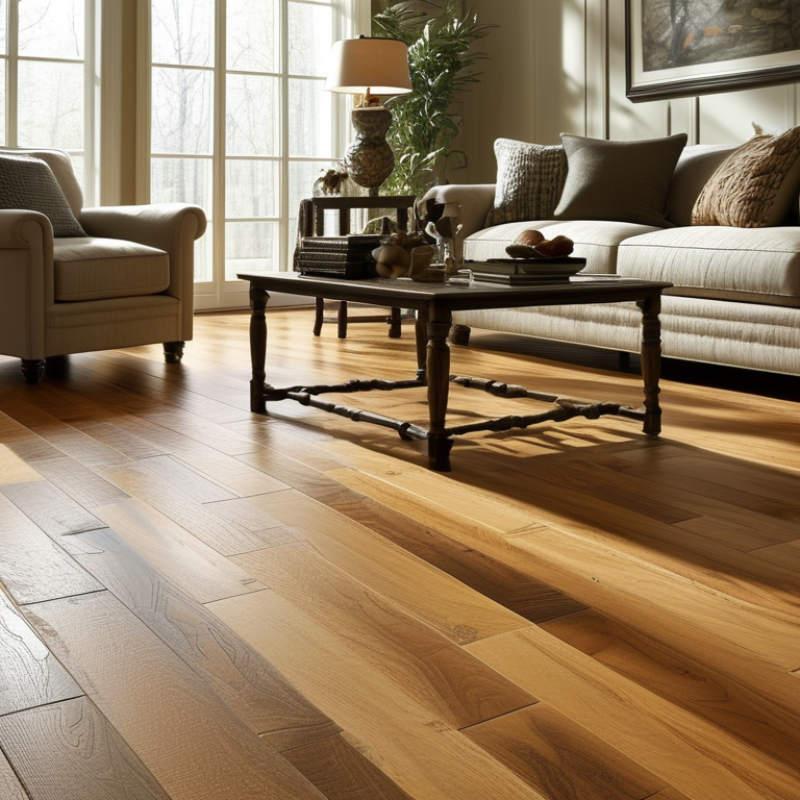
When selecting plywood for flooring, recognizing the different types is essential. Plywood can be classified into several categories: softwood, hardwood, and structural plywood. Softwood plywood often comes from pine or fir trees. It is lightweight and cost-effective, making it suitable for less demanding applications. However, it may wear out faster in high-traffic areas.
Hardwood plywood, crafted from oak or maple, offers greater durability. Its robust nature makes it ideal for residential projects and commercial settings. This type can withstand significant foot traffic better than softwood. Another option is structural plywood, which is engineered for superior strength. Strong adhesives bond layers, allowing it to resist warping and moisture. This makes it perfect for basements or areas prone to humidity.
Consider the environment of your project when choosing plywood. Even high-quality plywood requires proper installation for optimal performance. You might face challenges with cutting and fitting, especially with thicker sheets. Always ensure the subfloor is level and dry to enhance longevity. Reflect on the maintenance needs, too. Some plywood may require sealing or specific finishes, which can involve additional time and cost.
Choosing the right flooring plywood requires careful consideration of several factors. One crucial aspect is the plywood grade. Higher grades often indicate better durability and fewer defects. The APA (American Plywood Association) provides detailed grading classifications, which can guide you in selecting the right quality for your project.
Moisture resistance is another important factor. Different plywood types have varying levels of moisture resistance. For instance, marine-grade plywood is designed for high moisture areas. The choice will greatly depend on your project's environment. Additionally, the thickness of the plywood matters. Thicker plywood often provides enhanced strength and stability, making it suitable for high-traffic areas.
Many homeowners overlook the importance of proper installation techniques. Ensuring the subfloor is level can significantly affect the performance of the plywood. Proper sealing and finishing are also essential. A study by the Forest Products Laboratory highlights that well-sealed plywood can last longer and resist wear better.
Select plywood that matches your project needs while considering aesthetics and functionality. Relying on expert advice and reports can inform your choice, but personal preferences should also play a role. A balance between professional recommendations and your design vision is key.
| Factor | Description | Recommended Type |
|---|---|---|
| Thickness | Determines strength and durability of flooring. | 3/4 inch for heavy traffic |
| Grade | Indicates quality and appearance; higher grades have fewer defects. | A or B grade for visible areas |
| Wood Species | Different species have unique visual characteristics and hardness. | Birch or Oak for durability |
| Moisture Resistance | Suitable for humid environments to prevent warping. | Exterior-grade plywood |
| Finish | Determines the surface treatment and look of the flooring. | Smooth finish for easy cleaning |
| Cost | Influences budget and overall project cost. | Mid-range options for balance |
When selecting plywood for flooring, understanding grades is crucial. Plywood is categorized into various grades, which significantly affect durability and appearance. For instance, Grade A represents high-quality plywood with a smooth, sanded surface. It is ideal for visible areas. Conversely, Grade C can have knots and a rough surface, making it suitable for less visible applications. Industry reports indicate that using higher-grade plywood can increase long-term performance and reduce maintenance issues.
Choosing the right grade impacts not only aesthetics but also overall costs. Research shows that higher-quality plywood, while initially more expensive, may offer savings over time. A study by the Forest Products Laboratory reveals that using premium plywood can enhance structural integrity, leading to reduced installation costs and fewer replacements. However, some projects may compromise on grade to cut initial expenses, which can haunt the project later.
Informed choices involve weighing budget constraints against long-term benefits. It's crucial to assess the specific needs of the flooring project. Selecting the wrong grade can lead to issues like warping or surface defects. Understanding plywood grades is a step towards ensuring a successful flooring project that balances aesthetics and durability.
When choosing plywood for your project, thickness and size are crucial factors. Research indicates that the most commonly used thickness for flooring is 18mm, which provides ample strength for residential settings. Thicker plywood can resist warping and provide better load-bearing capabilities. However, heavier sheets can be more challenging to handle during installation, which may lead to injuries if not managed properly.
In terms of size, standard plywood sheets measure 4x8 feet, but custom sizes are available. Opting for standard sizes can reduce waste during installation. A report from the National Wood Flooring Association shows that mismatched sheet sizes can lead to gaps and structural weaknesses. You might encounter difficulties obtaining custom sizes, particularly with specific grains or finishes.
Plywood’s moisture resistance also correlates with thickness. Thicker sheets typically offer better durability in humid conditions. Ultimately, your project's location and intended use will heavily influence your choices. Understanding the context can prevent costly mistakes and ensure a sound construction.
When sourcing high-quality plywood for your flooring project, consider several key factors. Industry reports indicate that plywood quality significantly impacts durability and appearance. Specifically, the American Plywood Association notes that exterior-grade plywood is less prone to moisture damage, making it ideal for various applications. Furthermore, selecting suitable grades, such as B or C, can enhance aesthetics while ensuring structural integrity.
Local lumber yards often provide a wider variety of plywood options compared to big-box retailers. This gives you a chance to inspect the plywood physically before purchase. Look for consistent thickness and smooth surfaces. Keeping an eye on the veneer layers can also help you find high-quality plywood. Thickness variations can result in uneven floors later on.
To obtain the best materials, establish relationships with local suppliers. Attend trade shows and industry seminars to network with professionals. This proactive approach not only enhances your knowledge but may yield discounts or exclusive offers. It’s also important to review customer feedback about suppliers to gauge their reliability and product quality. Being discerning with your choices pays off in the long run, as the right plywood can make or break your flooring project.
: Plywood types include softwood, hardwood, and structural plywood. Each type serves different applications.
Softwood plywood is lightweight and cost-effective but may wear out quicker in high-traffic areas.
Hardwood plywood, made from oak or maple, offers more durability and can handle significant foot traffic better.
Structural plywood is engineered for strength, resistant to warping and moisture, ideal for humid areas.
Consider the project's environment. Ensure proper installation, a level subfloor, and maintenance needs for optimal performance.
Plywood grades affect durability and appearance. Higher-grade plywood provides better performance and reduces maintenance issues.
Lower-grade plywood may cut initial expenses but can lead to long-term issues, such as warping or defects.
Knowing grades helps balance budget constraints with long-term benefits, ensuring a successful flooring project.
Some plywood types may need sealing or specific finishes, which could increase time and cost.
Higher-quality plywood, while more expensive initially, can result in savings by enhancing durability and reducing future replacements.
When choosing the best Flooring Plywood for your project, it’s essential to understand the different types available for various applications. Each type of plywood offers unique characteristics that can impact the durability and appearance of your flooring. Factors such as moisture resistance, structural integrity, and ease of installation should be considered carefully to ensure you select the right material for your specific needs.
Evaluating plywood grades is also crucial, as higher grades typically offer better quality and longevity. Additionally, the thickness and size of the plywood will influence both performance and overall costs. Finally, sourcing high-quality plywood from reputable suppliers will help guarantee that your flooring project is successful and durable, providing you with a solid foundation for your space.

Quality