When considering materials for your next project, the choice can be overwhelming. Among the many options available, the Osb Sterling Board stands out. This engineered wood product is known for its versatility and strength. It is made from oriented strand board, which means it is both durable and lightweight. These features make it an excellent choice for various construction projects, from flooring to wall sheathing.
Osb Sterling Board is designed for reliability. Builders and contractors often recommend this material due to its impressive performance under different conditions. Its moisture resistance and structural integrity are particularly appealing. However, while it offers many benefits, some may overlook its potential drawbacks. For instance, improper installation can lead to issues over time, emphasizing the need for expert application.
Choosing Osb Sterling Board is not just about selecting a product. It's about understanding its capabilities and limitations. This balance is essential for achieving the best results in your project. By focusing on quality materials like Osb Sterling Board, you can ensure a solid foundation for every endeavor.
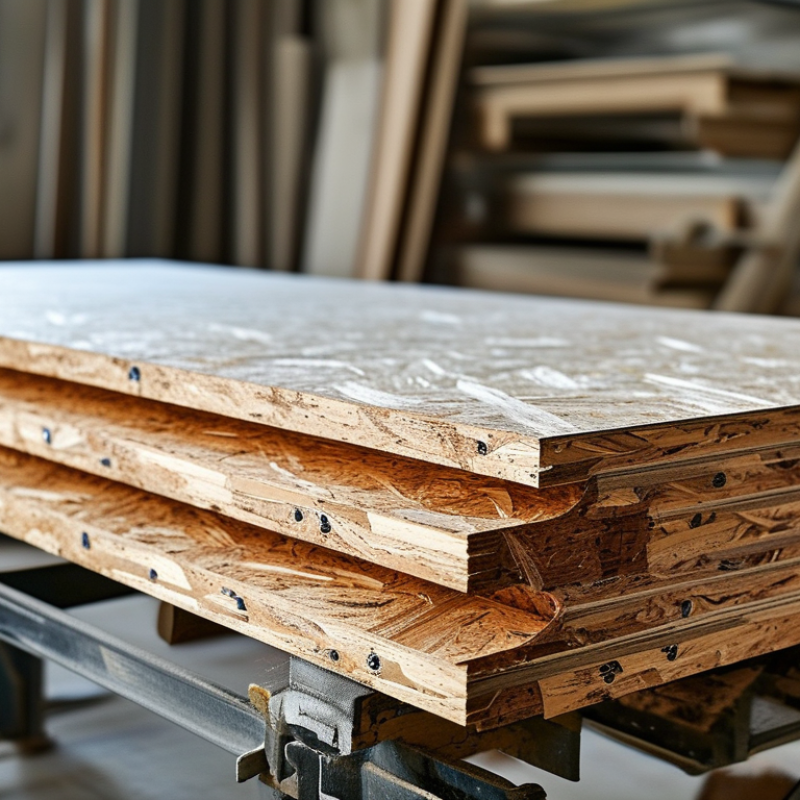
Overview of Osb Sterling Board and Its Composition
Oriented Strand Board (OSB) is a popular choice for construction projects. The Osb Sterling Board is particularly noted for its strong composition. Made from wood strands, it is bonded using adhesives in a precise layering technique. This creates a robust material that is efficient and sustainable.
Research shows that OSB can outperform conventional plywood in certain applications. According to reports from the American Wood Council, OSB has comparable structural integrity and moisture resistance. This makes it suitable for various environments. The board's production process often involves using fast-growing trees, which helps in reducing the overall ecological footprint.
On the downside, some builders may question its long-term durability compared to solid wood alternatives. There have also been concerns raised about the potential for off-gassing from adhesives. These issues deserve reflection when making material choices. Overall, the Osb Sterling Board presents a viable option, blending performance with sustainability.
Key Benefits of Using Osb Sterling Board in Construction
Osb Sterling Board stands out in the construction industry for its unique characteristics.
This engineered wood product offers impressive structural strength that rivals traditional materials. Recent reports from the
National Association of Home Builders indicate that OSB, including Sterling Board,
plays a vital role in over 80% of new home constructions in the U.S.
One key benefit is its versatility.
Osb Sterling Board can be used for flooring, walls, and roofs.
It adapts to different weather conditions, offering resistance to moisture and temperature fluctuations.
A study by the Wood Products Council found that its manufacturing process reduces
waste by up to 50%, making it a more environmentally friendly choice compared to solid wood options.
Despite its advantages, some users raise concerns about its appearance and finish.
The raw surface of OSB can appear rough. However, it can be easily treated or covered with finishes to enhance aesthetics.
The board’s performance is often evaluated under stress tests, revealing areas for improvement in specific applications.
Such insights push manufacturers toward continual innovation, ensuring that Osb Sterling Board meets the
evolving demands of the construction sector.
Comparative Analysis: Osb Sterling Board vs. Other Materials
When considering materials for your next project, Osb Sterling Board stands out in several ways. Its durability and resistance to moisture make it a strong contender compared to traditional plywood. Plywood can warp or decay over time, especially in damp conditions, while Osb Sterling Board maintains its integrity. This attribute is essential for long-lasting structures.
Cost is another factor. Osb Sterling Board often offers a more budget-friendly alternative to solid wood. While solid wood boasts an aesthetic appeal, its price point can be prohibitive. Osb Sterling Board provides a good balance between performance and cost, making it attractive for various applications.
Tips: Always assess the project environment. If moisture levels are high, Osb Sterling Board may be more suitable than plywood. Examine sourcing options thoroughly. Quality variations exist, so it's wise to choose reputable suppliers. Additionally, consider the board's finish; a well-coated Sterling Board can further enhance its durability and aesthetic.
Applications of Osb Sterling Board in Various Projects
Osb Sterling Board is gaining traction across various industries for its versatility and performance. One key application is in residential construction. According to the U.S. Department of Agriculture, about 70% of new homes use engineered wood products, with OSB being a popular choice due to its cost-effective nature and structural integrity.
In commercial settings, Osb Sterling Board demonstrates its reliability in flooring and wall sheathing. A recent Market Research report states that the global demand for OSB is projected to grow by 5% annually, driven by the rise in commercial building constructions. Its moisture resistance and structural support are essential for office spaces and large retail outlets.
While Osb Sterling Board offers numerous benefits, challenges exist. Quality can vary among manufacturers, leading to potential performance issues. This inconsistency raises questions about sourcing and application guidelines. Thus, industry professionals must ensure careful evaluation and selection processes. Employing proper installation practices can mitigate some of these risks, enhancing overall project outcomes.
Why Choose Osb Sterling Board for Your Next Project? - Applications of Osb Sterling Board in Various Projects
| Project Type |
Application |
Benefits |
Estimated Cost per Square Foot |
| Residential Construction |
Wall Sheathing |
Durable, cost-effective, moisture resistant |
$1.50 |
| Commercial Building |
Roof Decking |
Strong load-bearing capacity, lightweight |
$2.00 |
| Furniture Manufacturing |
Table Tops |
Versatile design options, ecological |
$1.75 |
| Outdoor Structures |
Decking |
Weather-resistant, easy to install |
$2.50 |
| Soundproof Rooms |
Interior Panels |
Excellent sound absorption, aesthetic options |
$2.20 |
Environmental and Sustainability Aspects of Osb Sterling Board
When considering materials for your project,
Osb Sterling Board
stands out for its environmental benefits. This engineered wood product uses fast-growing timber, promoting sustainable forestry practices.
As consumers become more environmentally conscious, choosing such materials is crucial for reducing carbon footprints.
Every component in Osb Sterling Board can often be recycled, extending the life cycle of the product.
However, it’s essential to reflect on the entire production process. The processing of wood into board can require energy and resources. While Osb Sterling Board is a step toward sustainability, one must consider the energy source used during production.
If fossil fuels are used, the environmental benefits may diminish.
As with many materials, balance is key. Despite its advantages, Osb Sterling Board is not without challenges.
Not all sources ensure optimal sustainability practices.
Verification is vital. Researching the supply chain and certifications can help ensure that your choice aligns with environmental goals.
Choosing wisely not only aids in reducing waste but also supports responsible forestry initiatives.
Conclusion
Osb Sterling Board is an engineered wood product made from strands of wood oriented in specific directions, enhancing its strength and durability. Its composition makes it an ideal choice for various construction applications, providing benefits such as moisture resistance, structural integrity, and cost-effectiveness. When comparing Osb Sterling Board to other materials, it stands out due to its superior performance and versatility, making it suitable for both residential and commercial projects.
Additionally, Osb Sterling Board is environmentally friendly, utilizing sustainable forestry practices and contributing to energy efficiency in buildings. Its applications range from flooring and wall sheathing to roofing, proving its adaptability across different project types. By choosing Osb Sterling Board for your next project, you not only ensure quality and reliability but also support a sustainable approach to construction.

 Quality