In the quest for the best Osb Board Wood options, global buyers face many choices. Understanding these options is crucial for successful projects. Osb, or oriented strand board, is extensively used in construction and furniture making. It offers strength and versatility at a competitive price.
Different suppliers provide varying grades of Osb Board Wood. Quality can differ based on factors like material source and manufacturing processes. Buyers should consider their specific needs. For instance, using Osb in humid environments may affect durability. Not every variant holds up against moisture.
It’s also essential to evaluate suppliers’ reputations. Look for manufacturers with positive reviews and industry certifications. Familiarity with local regulations can guide appropriate usage. However, not all buyers have this knowledge. It highlights the need for ongoing research and careful decision-making when selecting Osb Board Wood.
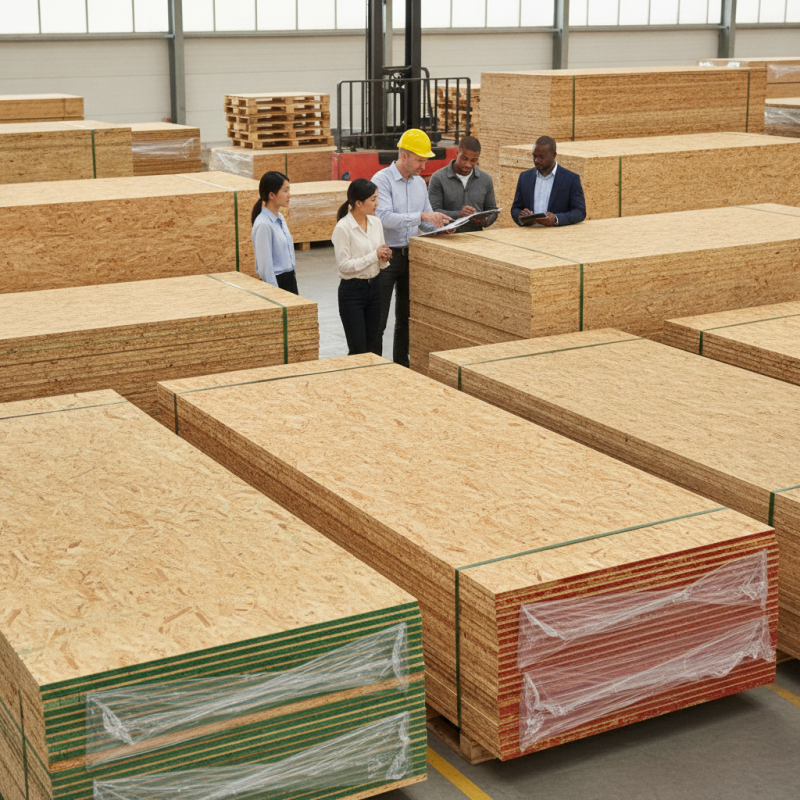
Oriented Strand Board (OSB) has become a staple in the global construction industry. It serves as an eco-friendly alternative to plywood. OSB is composed of strands of wood, bonded with adhesives. This process maximizes the strength and durability of the final product. Many builders choose OSB for framing, flooring, and sheathing applications due to its cost-effectiveness and versatility.
The global significance of OSB lies in its sustainable production methods. With a growing emphasis on environmental responsibility, many manufacturers are adopting practices that minimize waste. However, quality can vary between producers. Some OSB boards may not perform as well as expected under certain conditions. Buyers should research and consider local suppliers who adhere to strict quality standards.
Investing in OSB requires careful consideration of its properties. Humidity and temperature changes can impact its integrity over time. Buyers must also reflect on how OSB fits their specific construction needs. While it can be an excellent option, there is no one-size-fits-all solution. Conducting thorough assessments and choosing wisely will benefit any project.
When exploring OSB boards, it’s essential to understand the types favored by international buyers. Oriented Strand Board (OSB) is popular for its versatility and strength. Among the various options, standard OSB is widely used in construction due to its cost-effectiveness. This type is suitable for wall sheathing and flooring.
Another popular choice is moisture-resistant OSB. It's treated to withstand damp environments, making it ideal for areas like kitchens and bathrooms. Buyers often appreciate this product for its durability. Additionally, fire-rated OSB boards are gaining traction. These boards provide essential fire resistance for safety compliance.
Tips: When selecting OSB, consider the specific requirements of your project. Visiting a supplier can help you understand the differences between types. Pay attention to environmental factors that may affect performance. Reflect on the potential need for special treatments based on your location.
Lastly, always inquire about the manufacturing processes. There’s a significant variation in quality across regions. Ask for certifications to ensure that the materials meet international standards. This diligence can aid you in making informed purchasing decisions.
When selecting OSB boards, understanding key features is crucial for a well-informed purchase. The thickness and density of the boards significantly affect their strength and suitability for different applications. Thicker boards often provide better insulation and durability but may also be heavier, impacting ease of handling and installation.
Moisture resistance is another important attribute. OSB boards can be susceptible to water damage. Therefore, choosing boards specifically designed for high-moisture environments can enhance longevity. Consider the intended use—whether it’s for flooring, wall sheathing, or furniture.
Tips: Always check the seal on the OSB boards. A well-sealed board is less likely to absorb moisture. Evaluate the surface finish of the boards as well. A smoother surface can save on sanding time during projects, making installation quicker.
In addition, consider environmental sustainability. Look for OSB boards that are made from recycled or responsibly sourced wood. Not only does this help the planet, but it also often means a more robust and reliable product. Be aware that some boards might warp or deteriorate faster than others. Testing a small sample under your specific conditions can provide insights into its actual performance.
When exploring the best OSB board wood options, it's essential to know the leading manufacturers around the globe. Numerous companies focus on producing high-quality OSB boards that cater to the needs of various buyers. These manufacturers utilize advanced technology and sustainable practices to create durable and versatile boards.
Tips: Look for manufacturers that prioritize eco-friendly sourcing. Sustainable practices can significantly impact the quality of the OSB boards. This approach also enhances the overall credibility of the product.
The choice of OSB boards can vary by region. Different climates and environments may influence the specific qualities needed. Some manufacturers specialize in moisture-resistant boards, while others focus on structural strength. Understanding these differences can be crucial for buyers.
Tips: Conduct thorough research on regional manufacturers. Local suppliers may provide options that are better suited for specific weather conditions. This localized knowledge can aid in making a more informed decision.
The environmental impact of oriented strand board (OSB) is a critical concern for global buyers. OSB is made from wood strands pressed and glued together, which can offer a more sustainable option than traditional plywood. According to a 2021 report by the Forest Products Laboratory, OSB can achieve up to 20% lower greenhouse gas emissions compared to other wood-based panels. Such data highlights its potential as an eco-friendly choice.
Sustainability in OSB production largely stems from responsible sourcing. Many manufacturers have adopted practices that utilize fast-growing tree species. This reduces the need to harvest old-growth forests, which play an essential role in carbon sequestration. However, issues arise with sourcing non-certified wood. Reports indicate that about 30% of the wood used for OSB may not be sourced sustainably. This presents challenges for buyers who prioritize environmental responsibility, as it may undermine their sustainability goals.
One can argue that the life cycle of OSB should be examined more thoroughly. While OSB can be recycled, many end-users do not consider this option. The International Wood Products Association notes that only 15% of OSB materials are currently reclaimed. This figure signifies an area needing improvement. Informed buyers must weigh the benefits against the ongoing sustainability challenges associated with OSB production and disposal.
: Standard OSB is widely used for construction. Moisture-resistant OSB is valued for damp areas. Fire-rated OSB boards offer safety compliance.
Standard OSB is cost-effective and versatile. It is suitable for wall sheathing and flooring applications.
These boards withstand damp environments. They are ideal for kitchens and bathrooms due to their durability.
Consider specific project requirements. Visit suppliers to understand the differences between types.
Inquire about certifications and quality. Variations exist across regions, impacting overall performance.
Sustainable practices enhance product credibility. They can also impact the quality of the OSB boards.
Different climates may require specific OSB qualities. Some regions may need more moisture-resistant options.
Conduct thorough research on local manufacturers. They may offer better options suited for specific weather conditions.
Yes, reflecting on environmental factors and potential treatments is important. It aids in making informed decisions.
There can be significant quality variations. Buyers need to be diligent and ask the right questions.
OSB board wood, or oriented strand board, is a crucial material in global construction and manufacturing, valued for its strength and versatility. This article explores the various types of OSB boards favored by international buyers, highlighting their unique characteristics that cater to different project needs. When selecting OSB board wood, key features such as thickness, density, and moisture resistance are essential considerations.
Furthermore, we delve into the leading manufacturers producing OSB boards worldwide, showcasing the growth of this sustainable material in the market. The environmental impact of OSB boards is also addressed, emphasizing their eco-friendly aspects, which make them a preferred choice among conscious consumers. Overall, this comprehensive analysis serves as a guide for global buyers looking to make informed decisions about OSB board wood.

Quality