What is the Best Formwork Plywood for Global Construction Needs?

Time:2026-05-03 Author:Sophia
0%

When it comes to global construction needs, selecting the right formwork plywood is crucial. This material plays a vital role in ensuring structural integrity and durability. Many construction professionals rely on plywood for its versatility and strength. The choice of formwork plywood can significantly affect project outcomes.

Different types of formwork plywood are available, each with unique characteristics. Some are better suited for specific climates and applications. However, not all options are created equal. Inconsistent quality can lead to failures on-site, impacting both time and budget.

Understanding the best formwork plywood requires experience and expertise. It's essential to consider factors like weight, moisture resistance, and reusability. Concrete formwork, for instance, demands materials that withstand heavy loads. The insight gained from previous projects highlights the importance of making informed choices. Ultimately, the right formwork plywood not only supports safety but also enhances overall efficiency in construction.
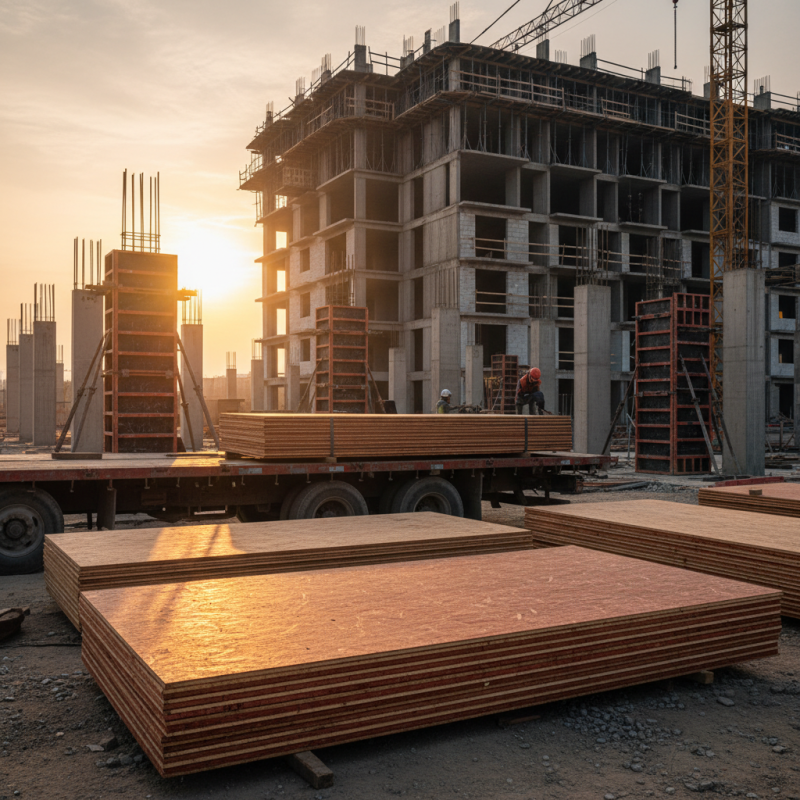
What is the Best Formwork Plywood for Global Construction Needs?

The Importance of Formwork Plywood in Global Construction

Formwork plywood plays a crucial role in global construction. It provides the necessary support and shape for concrete structures. The quality of this plywood significantly impacts the overall durability of buildings. Without proper formwork, even the best concrete mix can falter. Builders rely on sturdy, reliable materials to ensure safety and efficiency.

Selecting the right formwork plywood is not always straightforward. Various factors come into play, such as load-bearing capacity and environmental conditions. Some plywood may not withstand heavy loads or adverse weather. Contractors need to carefully consider these aspects to avoid costly mistakes. It's essential to consult with experts who understand these complexities.

In practice, many projects encounter challenges with their chosen materials. Failure to adapt to specific construction needs can lead to project delays. For instance, using insufficiently treated plywood can result in warping. This affects the integrity of the structure and may necessitate repair work. Regular evaluations and adjustments can prevent these issues and ensure better outcomes in construction projects.

Formwork Plywood Usage in Global Construction

Types of Formwork Plywood: An Overview for Construction Projects

When it comes to construction projects, choosing the right formwork plywood is crucial. Many types are available, each with unique attributes suited for different applications. For instance, traditional birch plywood is known for its strength and durability. It can handle high loads and is resistant to warping. Its lifespan in construction can be impressive, but heavy usage can lead to quick deterioration if not properly maintained.


Another option is laminated veneer lumber (LVL). Reports indicate that LVL plywood offers improved stability and lower moisture absorption rates. This makes it ideal for variable weather conditions. However, the initial cost of LVL can be higher than traditional plywood. The trade-off may be worth it when considering long-term performance.


Engineered wood products are also gaining traction. They are designed for specific construction needs, yet they might not always meet the same benchmarks in strength as more conventional options. Construction teams need to weigh all these factors. Misjudgments in formwork plywood choices can lead to project delays and increased costs. Investing in detailed assessments can mitigate risks and improve project outcomes.

Criteria for Selecting the Best Formwork Plywood

Selecting the best formwork plywood is crucial for successful construction projects worldwide. The right plywood can greatly affect the quality and durability of concrete structures. When choosing plywood, consider its strength and moisture resistance. These factors impact how the plywood will perform over time.

Another important criterion is the surface finish. A smooth finish can lead to better concrete outputs. However, sometimes, achieving the perfect finish might not be possible due to manufacturing variations. Plywood thickness is also key. Thicker options can withstand greater loads but may add weight to your formwork.

Cost-effectiveness cannot be overlooked. High-quality plywood may seem expensive upfront but can save money in the long run through fewer replacements. Reflecting on the balance between price and quality is necessary. It’s pertinent to find a trustworthy supplier who guarantees consistency. This can lead to more successful outcomes in construction projects.

Comparison of Popular Formwork Plywood Brands Worldwide

Formwork plywood is essential in global construction. Its strength and durability are crucial for supporting concrete structures. Various brands offer different qualities and price ranges. Understanding these differences helps in making informed choices for projects.

When comparing popular brands, focus on their thickness, water resistance, and weight. Some offer better water resistance, making them suitable for wet conditions. Others might be lighter, easing transportation and handling. Finding a balance between weight and strength is vital for efficiency on-site.

**Tips:** Always consider the specific project requirements. Is it for repeated use or a single pour? This choice affects the longevity and overall cost. Conduct small-scale tests when possible. They provide insights into how the plywood performs in real conditions. Regular feedback from the site can guide better selection in the future.

Trends and Innovations in Formwork Plywood for Construction Industry

The construction industry is evolving rapidly. Innovations in formwork plywood are addressing global demands. This type of plywood is essential for structural integrity. Various trends are shaping its development.

Recyclable and sustainable materials are gaining traction. Builders want eco-friendly solutions that do not compromise quality. Additionally, advancements in surface treatments enhance durability. This means fewer repairs and less waste over time.

Technological integration is also crucial. Digital tools help in designing and planning. They can predict performance and optimize usage. Yet, some challenges remain. Not all innovations have proven effective in real-world applications. Ongoing research is necessary to address these uncertainties. The future of formwork plywood holds promise, but careful evaluation is vital.

FAQS

: Why is formwork plywood important in construction?

: It provides necessary support and shape for concrete structures, impacting overall building durability.

What should be considered when selecting formwork plywood?

Consider load-bearing capacity, environmental conditions, and specific project requirements to avoid mistakes.

What are common challenges with formwork plywood?

Insufficient treatment can cause warping, leading to structural integrity issues and potential repairs.

What are some types of formwork plywood?

Options include birch plywood, known for strength, and laminated veneer lumber (LVL), noted for stability.

How does laminated veneer lumber (LVL) compare to traditional plywood?

LVL has lower moisture absorption and improved stability but may have a higher initial cost.

What is the role of regular evaluations in construction?

They help to identify issues early, preventing delays and ensuring better outcomes in projects.

How can project-specific requirements impact plywood choices?

Choices differ for repeated use versus single pours, affecting longevity and cost.

What is a useful strategy for selecting formwork plywood?

Conduct small-scale tests to learn how the plywood performs in real conditions before full-scale use.

Conclusion

Formwork Plywood plays a crucial role in the global construction industry, serving as a fundamental element for creating concrete structures. Its importance lies in providing the necessary support and shape during the curing process, ensuring durability and stability for various construction projects. In understanding the best options for Formwork Plywood, it is essential to explore the different types available and the criteria for selection, such as strength, moisture resistance, and cost-effectiveness.

The landscape of Formwork Plywood is continuously evolving, with emerging trends and innovations enhancing its application in construction. By comparing various types and understanding the latest advancements, builders and contractors can make informed decisions that cater to their specific needs. Ultimately, selecting the right Formwork Plywood is vital for achieving structural integrity and efficiency in construction practices worldwide.


Sophia

Sophia

Sophia is a dedicated marketing professional with an exceptional depth of knowledge about her company's products and services. With a keen understanding of market trends and customer needs, she crafts insightful blog posts that not only inform but also engage readers, enriching the company’s online......