Colored plywood has emerged as a versatile choice for designers and builders alike. This material offers aesthetic appeal and functionality. Global buyers seek various options, often overwhelmed by the choices available.
In this guide, we will explore the best colored plywood options. Each choice has unique characteristics, benefits, and drawbacks. Understanding these features helps make informed decisions.
Moreover, selecting colored plywood requires careful consideration. Factors such as durability, finish, and maintenance are critical. Nevertheless, finding the right balance can be challenging. Reflecting on your specific needs is essential for achieving satisfactory results.
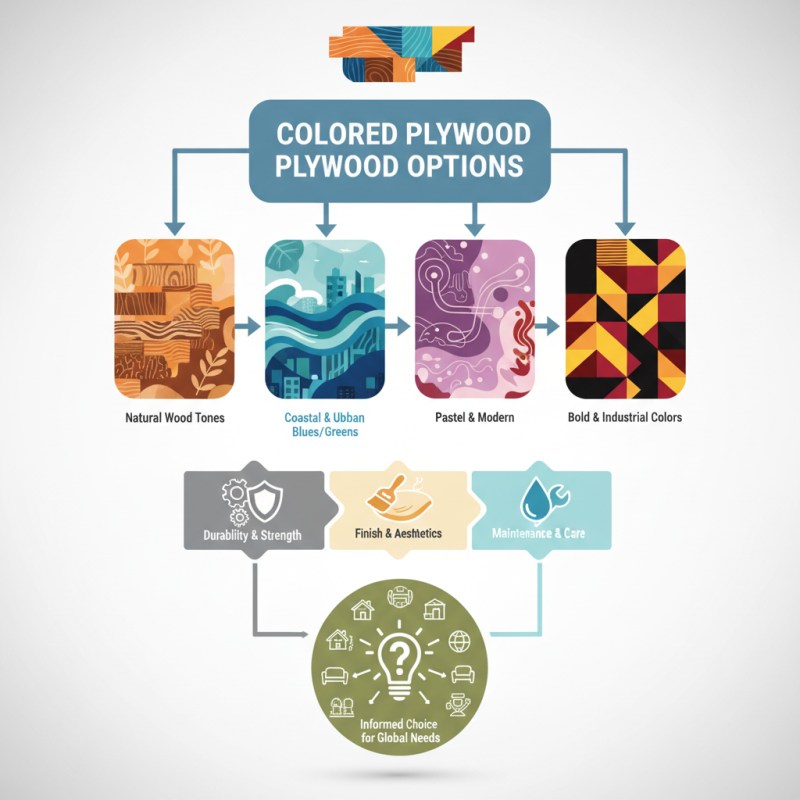
Choosing the right colored plywood can elevate your project’s aesthetic. The choices available today are diverse. You can find options ranging from rich shades to pastel hues. This variety allows for creativity in design, appealing to different tastes and styles.
When exploring colored plywood, consider the finish and texture. Some finishes can enhance durability while adding character. Textured surfaces can create visual interest. Pay attention to color fading over time as well. Cheaper options might not withstand sunlight as effectively as premium variants.
Each project demands different qualities. Perhaps you need plywood that is moisture-resistant or offers a matte finish. As you weigh your options, reflect on the intended use, durability, and visual appeal. There are no perfect solutions. Each type has pros and cons. It’s essential to balance aesthetics with practicality to make the best choice for your needs.
Colored plywood has become a preferred choice for many designers and builders. It offers aesthetic versatility and a modern touch to various projects. Understanding the different types available is crucial for making an informed decision.
There are several types of colored plywood, each with its unique characteristics. Some are dyed in vibrant hues, while others use laminated surfaces for color. Dyed plywood can be more prone to fading over time. Laminated options may provide better durability but can also be less flexible for cutting. Choosing the right type depends on the intended use and exposure conditions.
While colored plywood offers creative solutions, it is not without limitations. The surface can be susceptible to scratches and dents, particularly in high-traffic areas. Additionally, the adhesive used in some laminates may affect long-term stability. Exploring all options allows for a more thoughtful selection that balances beauty and practicality.
When selecting colored plywood, several factors demand careful consideration. The choice of color plays a crucial role in visual appeal. Bright hues can invigorate a space, while muted tones may promote calmness. Durability is equally important. Colored plywood must endure wear and tear. Examine its resistance to moisture, scratches, and fading to ensure longevity.
Thickness and size matter too. Plywood comes in various dimensions. Selecting the right thickness impacts both strength and aesthetics. A thicker panel offers better support, ideal for weight-bearing structures. Surface finish also influences the final look. Some finishes enhance color vibrancy, while others create a natural, textured feel.
Moreover, sustainability shouldn't be overlooked. Eco-friendly colored plywood is increasingly available. Sources should practice responsible forestry. Reviewing certifications can ensure ethical manufacturing. It’s wise to reflect on these factors before making a decision. Plywood is not just a material; it shapes the mood and functionality of your projects.
Colored plywood has gained popularity among architects and designers due to its versatility. It is used in furniture, cabinetry, and decorative applications. According to the Global Plywood Market Report, the colored plywood segment is projected to grow at a compound annual growth rate (CAGR) of over 5% from 2023 to 2028. This growth indicates increasing demand from diverse industries, particularly in the residential and commercial sectors.
Top global suppliers of colored plywood include manufacturers who focus on quality and innovation. They offer a variety of finishes and colors, catering to the specific needs of modern design. Countries like China, Germany, and the United States are leading in plywood production. These suppliers often face challenges, such as sourcing sustainable materials and adhering to strict environmental regulations. The emphasis on eco-friendly practices can sometimes slow production.
In today's market, buyers should consider factors beyond just price. Quality, finish, and supplier reliability are crucial. Industry experts highlight that sourcing colored plywood requires careful evaluation. Not all suppliers meet the necessary standards. Transparency in sourcing is important to ensure durability and aesthetic appeal.
Colored plywood is gaining popularity across various sectors, from furniture manufacturing to construction. Its vibrant hues offer aesthetic appeal and serve functional purposes. According to a recent industry report by Market Research Future, the colored plywood market is expected to grow at a CAGR of 6.5% from 2023 to 2028. This growth reflects a rising demand for innovative design solutions among architects and interior designers.
Applications of colored plywood extend beyond aesthetics. It is increasingly used in commercial spaces as a sustainable option. Due to its lightweight nature, colored plywood is favored for cabinetry and wall paneling. A 2022 survey by Technavio revealed that 48% of respondents prefer colored plywood for eco-friendly projects. This preference illustrates a shift towards sustainability in design and manufacturing. However, challenges remain in achieving consistent color quality and durability.
Trends indicate that consumers are more informed about material sourcing. They seek reliable suppliers who can ensure both quality and ethical production practices. A 2021 study showed that 35% of buyers look for certifications in their purchasing decisions. This trend prompts manufacturers to reflect on their processes and consider the ecological impact of their materials. The future of colored plywood lies in balancing innovation with sustainability, creating opportunities for both growth and responsibility in the industry.
Colored plywood can add vibrancy to any project. However, proper care and maintenance are essential to preserving their beauty. Start by regularly dusting your colored plywood surfaces. Use a soft cloth to avoid scratching the finish. When deeper cleaning is required, a damp cloth with a mild soap solution works well. Avoid abrasive cleaners and harsh chemicals that can damage the color.
Temperature and humidity can affect colored plywood. It’s vital to keep these materials in a stable environment. Extreme conditions may lead to warping or fading. Consider placing your plywood away from direct sunlight to prevent discoloration.
Tips for maintenance include sealing the surfaces periodically. This will protect against moisture and stains. For minor scratches, a touch-up pen can help blend imperfections. Reflect on these areas of care that often go overlooked. Regular maintenance will enhance the longevity and appearance of your colored plywood projects.
| Color | Thickness (mm) | Finish Type | Common Uses | Care Tips |
|---|---|---|---|---|
| Red | 18 | Matte Finish | Furniture, Decor | Wipe with a damp cloth, avoid harsh cleaners. |
| Blue | 12 | Gloss Finish | Partitions, Wall Panels | Clean with mild soap and water, avoid direct sunlight. |
| Green | 15 | Satin Finish | Cabinets, Shelving | Use coasters, avoid high humidity. |
| Yellow | 9 | Textured Finish | Crafts, Children's Furniture | Avoid sharp objects, keep dry. |
| Purple | 25 | High Gloss Finish | Accent Walls, Decorative Elements | Dust regularly, protect from scratches. |
: Look at color, finish, and texture. These factors affect aesthetics and durability.
Thicker plywood offers strength. It’s better for weight-bearing applications and enhances aesthetics.
Yes, sustainable colored plywood is gaining traction. Check for responsible forestry certifications.
It’s used in furniture, cabinetry, and wall paneling. Its lightweight nature makes it suitable for many projects.
Moisture-resistant plywood lasts longer. It helps prevent warping and degradation over time.
Increased consumer awareness leads to a demand for sustainable and ethically produced materials.
Yes, cheaper options may fade faster. Consider quality to maintain color vibrancy longer.
Textured surfaces create visual interest. They can enhance the overall look of the finished product.
Bright colors energize spaces, while muted tones create calm. Your choice depends on the desired effect.
No, every type has pros and cons. Balance aesthetics with practical needs in your decision-making process.
This guide provides a comprehensive overview of colored plywood, exploring the various options available to global buyers. It begins by detailing the different types of colored plywood on the market, highlighting their distinctive features and applications. When selecting colored plywood, several factors come into play, including durability, finish, and environmental considerations.
The article also identifies leading global suppliers, ensuring buyers can access high-quality products. Furthermore, it discusses current trends in colored plywood usage across various industries, emphasizing its versatility in design and functionality. Finally, care and maintenance tips are provided to help users prolong the lifespan and appearance of their colored plywood items, ensuring they remain a vibrant addition to any project.

Quality