Structural Plywood is gaining recognition for its versatility and strength in various projects. According to John Anderson, a leading expert in the plywood industry, "Structural Plywood provides unparalleled support for both residential and commercial structures." This statement highlights the material's significant role in modern construction.
Many architects and builders now prefer Structural Plywood for its robustness and reliability. It's often chosen for its ability to withstand various environmental conditions. The lightweight nature of Structural Plywood makes it easy to handle and install, reducing labor costs. However, some may overlook its importance in specific applications, which can lead to potential issues.
Structural Plywood also supports sustainability efforts in construction. Its efficient use of timber resources aligns with eco-friendly practices. Despite these benefits, some projects may fail to consider the best type of plywood for their needs. A thoughtful approach can enhance performance and longevity, ensuring a successful outcome in every project.
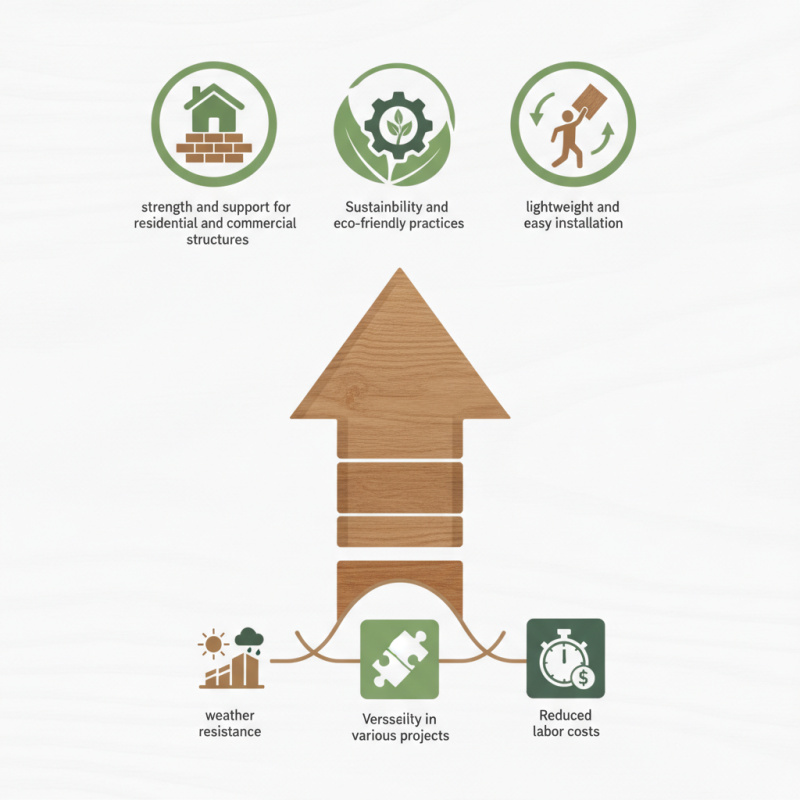
Advantages of Structural Plywood in Construction Projects
Structural plywood is a versatile material widely used in construction projects. Its strength and durability make it ideal for a range of applications. One significant benefit of structural plywood is its excellent load-bearing capacity. This means that it can support heavy weights without warping or cracking. Builders often choose plywood for flooring, wall sheathing, and roof structures due to this reliability.
Another advantage is its resistance to moisture and termites. When properly treated, plywood can withstand exposure to humidity. This feature extends the lifespan of structures, reducing overall maintenance costs. Additionally, plywood is relatively lightweight, which simplifies transportation and installation. However, not all plywood is created equal. Some lower-quality options may not perform as well. Choosing the right grade is crucial.
Using structural plywood can lead to cost savings over time. It often provides a more affordable alternative to traditional materials. Yet, it requires expertise to ensure proper installation. Failure to do so can lead to structural issues down the line. Understanding these nuances is essential for anyone involved in construction.
Durability and Strength: Key Features of Structural Plywood
When considering building materials, structural plywood stands out for its impressive durability and strength. Unlike standard plywood, structural plywood is engineered to meet stringent performance standards. Research indicates that it can withstand considerable stress and weight, making it ideal for construction applications. According to a report by the Engineered Wood Association, structural plywood can achieve shear strength ratings surpassing traditional materials, offering both safety and longevity for various projects.
One of the key features of structural plywood is its ability to resist warping and moisture damage. This is crucial for outdoor applications and areas prone to humidity. A study by the American Plywood Association highlights that properly treated structural plywood can last for decades, even under challenging conditions. This long lifespan not only benefits the environment by reducing waste but also saves builders from frequent replacements.
Tip: Always check for certification marks when purchasing structural plywood. These marks ensure the product meets industry standards and can help in decision-making. Aim to understand local building codes as well; this knowledge can enhance project safety and compliance. Emphasizing the importance of trusted sources can lead to better project outcomes. Striving for quality can often help avoid future complications.
Cost-Effectiveness: How Structural Plywood Saves Money in Projects
Structural plywood is a popular choice in construction for many reasons, particularly its cost-effectiveness. According to a report from the Plywood Association, using structural plywood can reduce material costs by up to 20% compared to traditional framing methods. This savings stems from its lightweight properties, allowing for easier transportation and handling. Less labor is required during installation, which further cuts down on overall costs.
Moreover, structural plywood has an impressive strength-to-weight ratio. This means builders can use thinner sheets without compromising structural integrity. A study by the American Plywood Association noted that projects using structural plywood require less material overall, which can lead to considerable savings. However, some may overlook the potential downsides, such as susceptibility to moisture if not properly sealed. This can lead to additional costs in repairs or replacement.
Another factor contributing to its affordability is its versatility. Structural plywood can be used in various applications, including flooring, walls, and roofs. Its adaptability allows for fewer materials being purchased for multiple uses. However, it is essential to consider the long-term maintenance costs associated with plywood, especially in harsh environments. Balancing initial savings with future expenses is crucial for project budgeting.
Top Benefits of Using Structural Plywood for Your Projects
Versatility: Applications of Structural Plywood Beyond Traditional Uses
Structural plywood is often associated with traditional uses in construction, but its applications extend far beyond that. The material's strength and lightweight nature make it suitable for innovative designs. For instance, it is an excellent choice for furniture making. Many designers utilize plywood to create elegant, functional pieces with unique shapes. This adaptability allows for various finishes, enhancing aesthetics and durability.
Beyond furniture, structural plywood is finding its way into artistic installations. Artists appreciate its versatility for sculptures and wall art. The surface can be painted, laminated, or left natural, adding to the creative possibilities. However, challenges remain. Achieving the right balance between strength and design needs careful consideration. Each project demands a thoughtful approach to joinery and material selection.
Another emerging area is its use in temporary structures. Event organizers often seek lightweight, eco-friendly materials. Plywood can be assembled and disassembled quickly, reducing waste. Yet, sustainability in sourcing is crucial. Understanding where the plywood comes from and its lifecycle affects environmental impact. Balancing creativity with responsibility is essential in today’s projects.
Environmental Impact: Sustainability Benefits of Choosing Plywood
Plywood stands out for its environmental benefits. Sourced from renewable forests, it is a more sustainable choice compared to solid timber. According to the American Forest & Paper Association, sustainably managed forests contribute positively to ecosystem health. They store carbon that helps combat climate change.
The versatility of plywood also plays a role in sustainable construction. It can be used in various applications, reducing the need for multiple materials. Reports show that plywood has a lower carbon footprint than other building materials, such as concrete or steel. However, the production process still has room for improvement regarding energy consumption and waste management.
Selecting plywood can align with green building certifications like LEED. Projects that prioritize eco-friendliness often see reduced energy costs over time. Yet, not all plywood products are created equal. Misleading labels can promote less sustainable options. Awareness and proper education are essential for making informed choices in material selection.
FAQS
: It is widely used for flooring, wall sheathing, and roof structures.
It supports heavy weights without warping or cracking, ensuring structural reliability.
When treated properly, plywood resists moisture and pests, extending structure lifespans.
Yes, its lightweight nature simplifies transportation and installation.
Absolutely. Designers appreciate its strength for creating elegant and functional pieces.
Achieving the right balance between strength and design needs careful consideration.
Sourced from renewable forests, it contributes positively to ecosystem health and reduces carbon footprint.
Yes, improvements are needed in energy consumption and waste management during production.
Yes, projects using plywood qualify for certifications like LEED, promoting eco-friendliness.
Not all plywood products are equal; misleading labels can promote less sustainable options.
Conclusion
Structural plywood is an essential material in construction projects due to its numerous advantages. Its durability and strength make it a reliable choice for various applications, providing the necessary support for structural integrity. Moreover, structural plywood is cost-effective, helping project managers save money while maintaining high-quality standards.
Beyond traditional uses, its versatility allows for a range of applications, from flooring to roofing and even in furniture design. Additionally, choosing structural plywood aligns with sustainability goals, as it is often sourced from renewable materials and has a lower environmental impact compared to many alternatives. In summary, structural plywood stands out as a practical, economical, and environmentally friendly option for modern construction needs.

 Quality